

Introduction
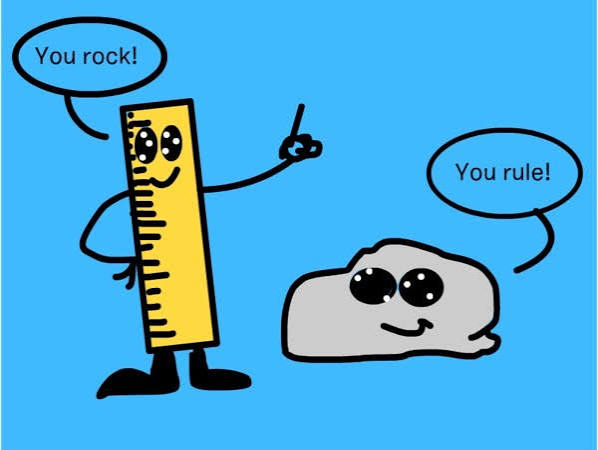
Humor has a remarkable way of making ordinary moments memorable, and wordplay is one of its simplest forms. A clever phrase, unexpected double meaning, or perfectly timed joke can instantly change the mood of a conversation. Among the many forms of humor, funny puns stand out because they rely on language itself to create amusement. They can be short enough for a message, clever enough for a social post, or spontaneous enough to make friends laugh during an everyday conversation. The best part is that puns do not require complicated setups or elaborate stories. They simply take familiar words and give them an amusing twist. From food jokes and animal wordplay to workplace humor and seasonal quips, puns can fit almost any subject. Their flexibility makes them an enjoyable form of entertainment for people who appreciate clever language and lighthearted comedy.
What Makes a Pun Funny?
A pun generally works by using a word or phrase that has more than one meaning or sounds similar to another word. The humor appears when the audience recognizes the unexpected connection. For example, someone might describe a baker as someone who is always on a roll. The phrase makes sense literally while also referring to a baker’s work, creating a simple linguistic surprise. This combination of familiarity and unexpected meaning is what gives puns their charm. Funny puns often become more effective when they are easy to understand without requiring a lengthy explanation. Timing also matters. A clever pun delivered at the right moment can be much more amusing than the same joke presented without context. Although some puns are intentionally silly, that silliness is often part of their appeal. They invite people to enjoy language rather than take the joke too seriously.
The Appeal of Wordplay in Everyday Conversations
Wordplay can make ordinary conversations more lively because it encourages people to look at familiar expressions differently. A simple statement can become humorous when someone replaces an expected word with a clever alternative. This makes puns particularly useful in casual conversations, text messages, captions, greeting cards, and friendly banter. Unlike jokes that depend heavily on a setup and punchline, a pun can often work within a single sentence. That makes it convenient for quick communication. People can also create personalized puns based on a friend’s name, profession, hobby, or favorite food. When the wordplay relates directly to the person or situation, it can feel more spontaneous and memorable. The versatility of funny puns allows them to appear almost anywhere, proving that humor does not always need to be complicated to be effective.
Food Puns That Are Always a Treat
Food provides endless inspiration for playful language because so many food-related words have amusing meanings or associations. Someone can describe a good meal as being totally un-beet-able, say that a chef has a lot on their plate, or compliment a delicious dish by calling it souper. These expressions are simple, but their unexpected word choices make them entertaining. Food puns are especially popular because eating is such a universal experience. Almost everyone has a favorite dish, snack, dessert, or beverage that can become the subject of a playful joke. They can also be adapted for birthdays, dinner invitations, restaurant captions, and casual conversations. A well-timed food pun can turn an ordinary comment about lunch into a memorable exchange. Because the possibilities are nearly endless, food remains one of the richest sources of lighthearted wordplay.
Animal Puns for Every Mood
Animals are another excellent source of wordplay. Their names and behaviors can easily inspire humorous expressions. A cat might be described as having a purr-fect attitude, while a dog can be praised for being paws-itively adorable. Birds, fish, horses, cows, and even insects offer opportunities for creative language. Animal puns are especially popular with children, pet owners, and people who enjoy playful humor. They can also be adapted to different situations, from birthday cards to social media captions. The appeal comes partly from combining something familiar with an unexpected phrase. Even when the joke is intentionally cheesy, the simplicity can make it more enjoyable. These examples demonstrate how funny puns can transform everyday vocabulary into something playful without requiring complicated storytelling or elaborate comedic techniques.
Workplace Puns Can Brighten the Day
Work can sometimes feel repetitive, so a little wordplay can provide a welcome break. Office humor can involve computers, meetings, deadlines, coffee, projects, and professional vocabulary. Someone might say that a productive meeting was very well-rounded, or describe a computer problem as something that needs to be addressed before it becomes a bigger issue. The humor can be subtle and appropriate for casual workplace conversations. Puns are particularly useful when colleagues already share an understanding of their daily routines. A carefully chosen joke can make a team message feel friendlier or add personality to a presentation. Of course, context matters. Humor should remain respectful and suitable for the audience. When used thoughtfully, workplace wordplay can create a lighter atmosphere while keeping conversations engaging.
Seasonal and Holiday Wordplay
Different seasons and holidays offer countless opportunities for clever language. Winter can inspire snow-related jokes, spring brings flowers and gardening vocabulary, and summer provides plenty of material involving beaches, sunshine, and vacations. Holidays are equally useful because they come with distinctive traditions, foods, and phrases. Halloween, for instance, offers words connected with ghosts, pumpkins, and spooky themes, while winter celebrations can inspire jokes involving snow and gifts. Seasonal wordplay is particularly useful for greeting cards, invitations, classroom activities, and social media posts. The temporary nature of these jokes can make them feel timely and relevant. A clever seasonal phrase can capture the mood of an occasion while adding a little personality to an otherwise ordinary message.
Why Some Puns Are Intentionally Cheesy
Not every pun needs to be sophisticated. In fact, some of the most enjoyable examples are deliberately predictable. The classic “dad joke” style often depends on obvious wordplay, exaggerated seriousness, and a punchline that audiences can see coming. That predictability is part of the fun. People may groan at the joke while laughing at the same time. This type of humor works because it does not take itself seriously. A cheesy pun can become a shared social experience when everyone recognizes how silly it is. The reaction itself becomes part of the joke. In this way, funny puns can succeed even when the audience knows exactly what is coming. Their charm often lies less in surprise and more in the playful enjoyment of language.
How to Create Your Own Puns
Creating a good pun starts with paying attention to words that have multiple meanings or sound similar to other words. Begin with an ordinary subject such as coffee, travel, pets, sports, or school. Write down several related words and consider whether any of them resemble another word or phrase. Next, think about common expressions that could be modified. For example, a phrase containing the word “break” might inspire jokes about breakfast, broken objects, or taking a break. The goal is to create a connection that is understandable while still being unexpected. Practice also helps. The more familiar you become with word patterns, sounds, and expressions, the easier it becomes to spot opportunities for humor. Not every attempt will work, and that is perfectly normal. Experimentation is part of creating effective wordplay.
Funny Puns for Social Conversations
Digital communication has made short-form humor more popular than ever. People regularly use playful captions, comments, messages, and status updates to express personality. A short pun can communicate an entire mood without needing a long explanation. For example, a coffee-related caption can become more memorable with a clever twist on common expressions. Similarly, travel photos, pet pictures, food posts, and birthday messages can all benefit from appropriate wordplay. The key is keeping the joke relevant to the content. A pun that naturally fits the situation feels more authentic than one inserted simply for the sake of humor. Since online communication often relies on short pieces of text, funny puns are particularly useful when someone wants to add personality without writing a lengthy message.
The Role of Timing and Context
Even a clever pun may not be funny in every situation. Timing, audience, and context can influence how people respond. A joke that works among close friends may not be suitable for a formal setting. Similarly, a complicated pun may lose its impact if the audience does not understand the reference. Good wordplay usually feels natural rather than forced. It should fit the conversation and arrive at a moment when people are ready to appreciate it. This is why comedians, writers, and everyday conversationalists often pay attention to context. The same phrase can produce completely different reactions depending on when and where it is used. Understanding the audience is therefore just as important as finding clever words.
Why Puns Stay Popular
Puns have survived across generations because language is constantly changing while the basic pleasure of wordplay remains familiar. New technologies, cultural trends, professions, foods, and hobbies continually introduce fresh vocabulary that can be turned into jokes. At the same time, classic expressions provide an endless foundation for creative variations. Puns are also accessible. People do not need specialized equipment, elaborate costumes, or extensive preparation to enjoy them. A single sentence can be enough. Their flexibility allows them to appear in conversations, entertainment, advertising, literature, classrooms, and online communities. The continued popularity of funny puns shows that simple humor can remain effective even as communication styles evolve.
Conclusion
Wordplay brings an unusual kind of creativity to everyday communication. By giving familiar words unexpected meanings, puns can make conversations lighter, captions more memorable, and ordinary moments more entertaining. They can focus on food, animals, work, seasons, hobbies, or almost any other subject. Some are clever, some are subtle, and others are wonderfully cheesy, but each offers a chance to enjoy the playful side of language. Funny puns are ultimately less about creating the perfect joke and more about finding amusing connections between words and ideas. Whether shared with friends, used in a casual message, or created spontaneously during conversation, a well-timed pun can add a little laughter to the day. And when a joke earns a groan followed by a smile, it has probably done its job perfectly.