

Introduction
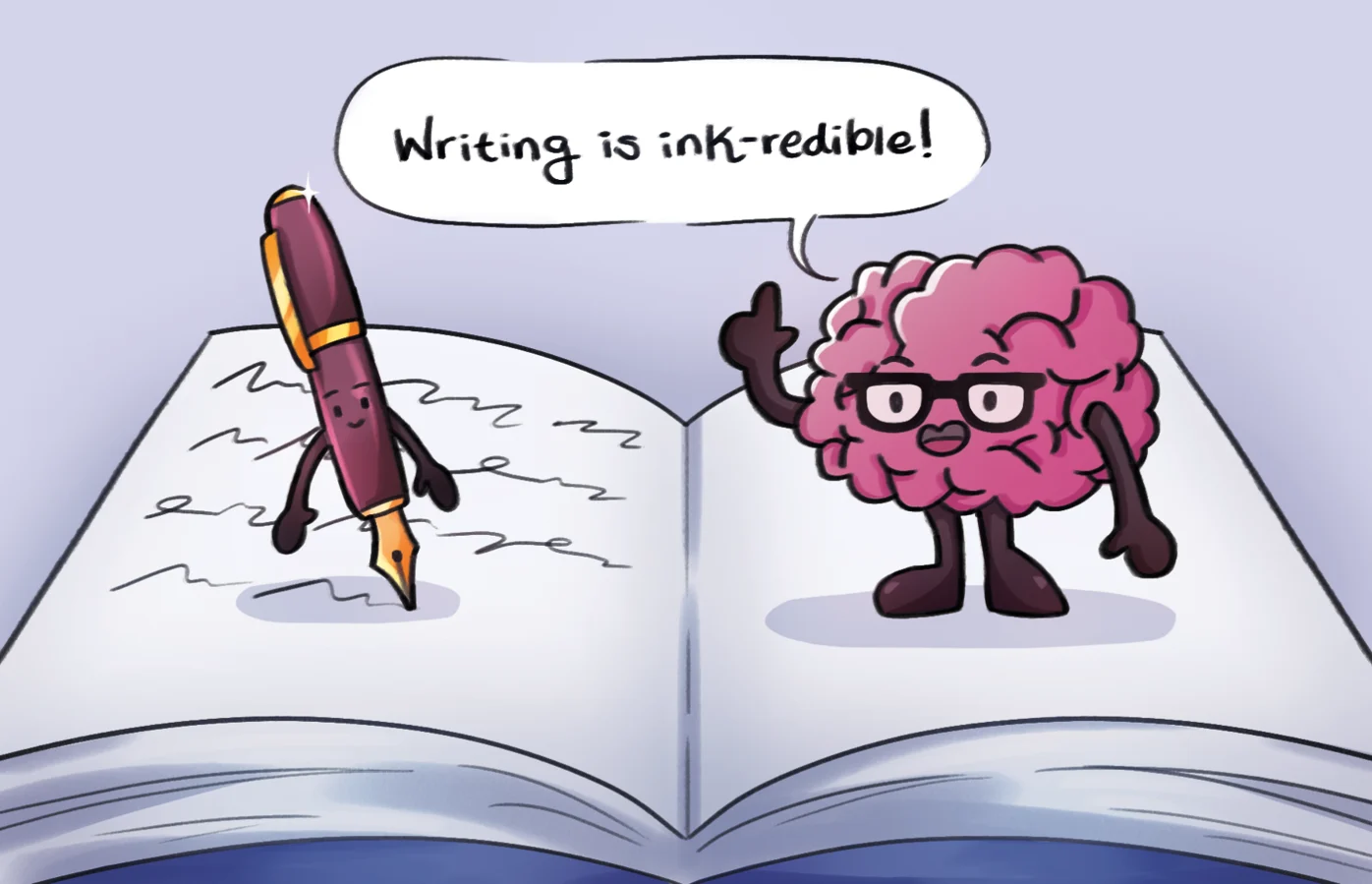
Language is much more than a collection of words used to exchange information. It is a powerful tool for expressing emotions, sharing experiences, building relationships, and creating entertainment. One of the most fascinating ways people use language creatively is through wordplay. A simple sentence can carry multiple meanings, turning an ordinary conversation into an amusing experience. Understanding Puns meaning helps us recognize how words can be arranged to produce humor, surprise, and intellectual enjoyment. This playful use of language demonstrates that communication is not always about delivering information directly. Sometimes, the most memorable messages are those that encourage listeners to think beyond the obvious meaning.
Humor has always played an important role in human interaction, and wordplay remains one of its most accessible forms. From traditional literature to modern social media captions, clever expressions continue to entertain audiences across generations. A humorous sentence may appear simple, but it often requires an understanding of pronunciation, vocabulary, context, and cultural references. The ability to recognize these connections reflects the remarkable flexibility of human thinking.
In today’s digital environment, creative language has become even more noticeable. Short videos, advertisements, memes, online conversations, and educational materials frequently use humorous expressions to attract attention. As communication becomes faster and more visually driven, concise wordplay offers an effective way to make messages interesting and memorable. Exploring the relationship between language, humor, and clever thinking reveals why this form of expression continues to remain relevant.
Understanding the Real Meaning of Wordplay in Language
Wordplay refers to the creative manipulation of words, sounds, and meanings to produce humorous, surprising, or thought-provoking effects. It often depends on the relationship between expressions that sound similar or words that carry multiple interpretations. Unlike ordinary jokes, which may rely on storytelling or unexpected situations, wordplay frequently creates humor through linguistic ambiguity.
For example, consider the sentence, “I used to be a banker, but I lost interest.” The word “interest” refers both to enthusiasm and to a financial concept associated with banking. The sentence becomes humorous because both interpretations are relevant to the situation. Recognizing this connection requires the reader to understand the different meanings of the same word.
The concept of Puns meaning becomes clearer when we examine how language allows multiple interpretations within a single expression. Words are rarely limited to one fixed meaning. Their interpretation depends on context, pronunciation, and the listener’s existing knowledge. Skilled communicators use these characteristics to create expressions that are entertaining without requiring lengthy explanations.
This linguistic flexibility also demonstrates why humor differs across languages. A sentence that creates an amusing connection in English may lose its effect when translated into another language. The relationship between sound and meaning is often unique to a particular vocabulary system, making wordplay an interesting subject for language learners, writers, and communication specialists.
How Language Creates Humor Through Multiple Meanings
The Connection Between Vocabulary and Interpretation
Vocabulary plays a central role in understanding humorous expressions. Many English words have several meanings, allowing speakers to create sentences that operate on more than one level. This phenomenon, known as polysemy, makes language flexible and expressive. When a sentence encourages two interpretations simultaneously, the resulting mental shift can create amusement.
Consider the statement, “The bicycle couldn’t stand on its own because it was two-tired.” The expression sounds like “too tired,” describing exhaustion, while also referring to the bicycle’s two tires. The humor comes from recognizing the connection between pronunciation and the physical characteristics of the object.
Such examples demonstrate that effective wordplay does not necessarily require complicated vocabulary. Familiar words often produce the strongest reactions because audiences can quickly identify the intended meanings. A successful humorous expression usually balances simplicity with surprise, allowing listeners to discover the connection almost immediately.
Why Context Matters in Understanding Humor
Context determines whether a playful sentence is understood correctly. The same expression may be entertaining in one situation but confusing in another. Listeners depend on surrounding information, shared experiences, and cultural familiarity to recognize the intended interpretation.
For instance, the sentence “The math teacher has too many problems” can describe someone facing personal difficulties or an educator responsible for solving mathematical exercises. Without the reference to a math teacher, the second interpretation becomes less obvious.
This relationship between context and interpretation explains why clever language can strengthen communication. It encourages audiences to connect information rather than process words individually. The resulting interaction becomes more engaging because the listener actively participates in discovering the humor.
Different Types of Wordplay and Their Creative Functions
Understanding the different categories of wordplay helps explain how language produces humor through several linguistic mechanisms. Some expressions depend on identical sounds, while others rely on multiple meanings or unexpected substitutions. Each type creates a slightly different experience for the audience.
The following table highlights common categories and their distinguishing characteristics.
| Type of wordplay | Main characteristic | Example |
|---|---|---|
| Homophonic | Uses words with similar or identical pronunciation | “The bicycle was two-tired.” |
| Homographic | Uses a word with the same spelling but different meanings | “The fisherman went to the bank.” |
| Compound | Combines multiple layers of wordplay | “A bicycle can’t stand alone because it’s two-tired.” |
| Visual | Uses images and written language together | A picture of a bee beside the word “happy” |
| Recursive | Requires understanding an earlier joke or reference | A joke that refers back to its own previous wordplay |
These categories demonstrate that humor can emerge from pronunciation, spelling, visual association, or contextual relationships. Some examples can fit more than one category, especially when they combine sound-based humor with a second interpretation.
Recognizing different forms also helps writers choose expressions appropriate for their audiences. A simple sound-based joke may work well in children’s educational materials, while more complex literary wordplay may appeal to readers who enjoy layered meanings and subtle humor.
The Relationship Between Humor and Clever Thinking
Humor is closely connected to cognitive flexibility, which refers to the ability to shift between different ideas, interpretations, or perspectives. When someone encounters a sentence with two meanings, the brain must recognize the ordinary interpretation and then identify the unexpected alternative. This rapid movement between possibilities contributes to the feeling of surprise that often accompanies laughter.
Understanding Puns meaning therefore involves more than identifying funny words. It requires recognizing patterns, making associations, and interpreting information creatively. For example, the sentence “A calendar’s days are numbered” appears to describe a calendar, but it also uses an expression associated with something approaching its end. The reader must connect these meanings to appreciate the joke.
Research into humor and language processing suggests that understanding verbal jokes engages several cognitive processes, including semantic interpretation, attention, and the recognition of unexpected relationships. However, enjoying wordplay should not be treated as a direct measure of intelligence. Familiarity with vocabulary, cultural background, and personal humor preferences also influence how quickly someone understands a joke.
Creative thinking benefits from exposure to different ways of interpreting information. Wordplay provides opportunities to explore unconventional relationships between familiar concepts. This makes it valuable not only for entertainment but also for activities that encourage imagination, flexible reasoning, and linguistic curiosity.
How Wordplay Supports Language Learning and Education
Improving Vocabulary and Language Awareness
Learning a new language involves understanding more than dictionary definitions. Students must also recognize expressions, pronunciation patterns, idioms, and contextual meanings. Humorous wordplay can introduce these elements in an engaging way because it encourages learners to examine how words function in different situations.
For example, the expression “I wondered why the ball was getting bigger, then it hit me” uses “hit me” both literally and figuratively. A learner who understands the joke becomes familiar with an everyday idiomatic expression while also recognizing its literal interpretation.
Teachers can use similar examples to demonstrate vocabulary relationships and encourage classroom discussions. Rather than memorizing isolated definitions, students can explore how meanings change depending on context. This approach may make lessons more enjoyable and support deeper language awareness when paired with clear explanations and suitable learning activities.
Encouraging Creativity in the Classroom
Creative classroom exercises help students experiment with language instead of viewing grammar and vocabulary as rigid systems. Asking learners to construct humorous sentences requires them to identify relationships between words, consider audience understanding, and revise their expressions for clarity.
Some practical classroom activities include:
-
Creating short jokes using words with multiple meanings.
-
Identifying hidden interpretations in humorous sentences.
-
Writing playful headlines about familiar school subjects.
-
Comparing expressions that work differently across languages.
-
Explaining why a particular sentence produces humor.
These activities can encourage collaboration and discussion while making language lessons more interactive. Teachers should select age-appropriate examples and explain unfamiliar vocabulary so that the educational purpose remains clear.
Why Wordplay Remains Popular in Modern Digital Communication
Digital communication has transformed how people share information, express emotions, and entertain one another. Social media platforms encourage short, memorable content that can capture attention quickly. Clever wordplay fits naturally into this environment because a single sentence can communicate humor without requiring a long explanation.
Understanding Puns meaning is especially useful when examining online captions, memes, short-form videos, and humorous advertisements. A creative phrase can become memorable because it combines familiar language with an unexpected interpretation. For instance, a coffee shop might use the expression “Espresso yourself” to connect the word “espresso” with the phrase “express yourself.” The message communicates personality while maintaining a clear relationship with the business.
However, digital audiences differ significantly in age, language proficiency, and cultural background. An expression that feels amusing to one group may appear confusing or unoriginal to another. Successful communication therefore depends on selecting wordplay that matches the audience and supports the intended message.
The increasing use of artificial intelligence in content creation has also made linguistic creativity an interesting topic. Generative AI systems can suggest playful headlines and humorous expressions, but their results may occasionally sound unnatural or misunderstand context. Human judgment remains important for evaluating originality, clarity, cultural appropriateness, and whether a joke actually works.
The Importance of Wordplay in Advertising and Branding
Advertising frequently uses language to create emotional connections between businesses and consumers. A memorable phrase can communicate product benefits, establish brand personality, and encourage audiences to remember a message after encountering it.
Wordplay is particularly useful when a brand wants to appear friendly, approachable, or creative. A bakery might advertise a product with the phrase “We knead your support,” replacing “need” with “knead,” a term associated with preparing dough. The expression connects the business activity with a familiar message, producing a playful effect without sacrificing clarity.
The relationship between Puns meaning and marketing becomes important when businesses develop slogans, promotional campaigns, and social media content. A well-chosen expression can make ordinary promotional language more distinctive. However, humorous wording should complement the message rather than obscure it.
Not every business benefits from the same communication style. Professional services involving sensitive situations may require more restrained language, while entertainment, food, and lifestyle brands often have greater flexibility. Marketers must consider audience expectations, brand identity, and the seriousness of the subject before using humorous expressions.
Effective branding depends on consistency. Clever language may attract initial attention, but trust develops through reliable products, useful information, and positive customer experiences. Wordplay works best as one element of a broader communication strategy.
How Literature Uses Wordplay to Create Deeper Meaning
Literature has long used linguistic ambiguity to entertain readers and communicate complex ideas. Playwrights, poets, and novelists often create dialogue in which characters use words with multiple meanings. These expressions can reveal personality, establish relationships, introduce irony, or add humor to otherwise serious situations.
William Shakespeare is particularly well known for using wordplay throughout his plays. His characters frequently manipulate meanings to create witty exchanges, misunderstandings, and dramatic tension. In many cases, understanding the humor requires knowledge of historical language and cultural references.
Literary wordplay is not always intended to produce laughter. Sometimes, a double meaning allows an author to communicate uncertainty, criticism, or emotional complexity. A character may use ambiguous language to conceal intentions or express ideas indirectly.
Modern literature continues to employ similar techniques. Children’s books use playful sounds and imaginative expressions to encourage reading, while contemporary fiction may use linguistic humor to develop dialogue and narrative voice. These examples demonstrate that wordplay serves both artistic and communicative purposes.
The Psychology Behind Why People Enjoy Clever Language
Human beings naturally search for patterns and connections. When an expression produces an unexpected relationship between familiar concepts, the discovery can create a feeling of satisfaction. This helps explain why people often smile after recognizing a clever double meaning, even when the joke itself is simple.
One influential explanation of humor involves incongruity, which occurs when expectations are disrupted. A sentence begins with an ordinary interpretation, but an unexpected meaning changes how the audience understands it. When the alternative interpretation makes sense in a playful context, the surprise may become amusing.
The psychological appeal of Puns meaning also relates to social interaction. Sharing a joke can create a moment of mutual understanding between speakers. When both participants recognize the hidden meaning, the experience may strengthen their sense of connection.
Humor preferences are nevertheless highly individual. Some people enjoy complicated linguistic jokes, while others prefer observational humor, storytelling, or physical comedy. Cultural familiarity, mood, personal experiences, and the setting all influence how humor is received.
A playful sentence may also produce a groan rather than laughter. This reaction is common with deliberately obvious or predictable wordplay. Interestingly, such reactions can still be socially enjoyable because participants recognize the speaker’s intention to entertain.
How to Create Clever and Natural Wordplay
Creating effective wordplay requires imagination, vocabulary awareness, and an understanding of how audiences interpret language. The process often begins with identifying a familiar word that has multiple meanings or sounds similar to another expression.
For example, the word “sole” can refer to the bottom of a shoe or a type of fish, while sounding identical to “soul.” A writer can explore these connections to develop playful expressions that suit a particular subject.
The most successful examples usually feel natural rather than forced. A sentence should remain understandable even when the audience has not yet recognized its second meaning. Overcomplicated wording may weaken the humor by making the connection difficult to identify.
Writers can follow a few practical principles:
-
Choose familiar words with clear alternative meanings.
-
Build the expression around a recognizable situation.
-
Keep the sentence concise enough to preserve the surprise.
-
Read the sentence aloud to check pronunciation and rhythm.
-
Revise expressions that require excessive explanation.
Practice can improve a writer’s ability to notice unusual linguistic connections. Reading humorous literature, observing everyday conversations, and experimenting with headlines are useful ways to develop this skill.
Common Challenges in Understanding Wordplay Across Cultures
Language and culture are closely connected, which makes humor difficult to translate accurately. A joke based on English pronunciation may have no equivalent in Hindi, Spanish, French, or another language. Even when two languages share similar concepts, their vocabulary and sound patterns may differ considerably.
Consider a joke involving the English words “flour” and “flower.” The humor depends on identical pronunciation, but translating the words into another language may eliminate that relationship. A translator must then decide whether to preserve the literal meaning or create a different expression that produces a similar humorous effect.
Cultural references introduce another challenge. Expressions involving local traditions, historical events, or familiar personalities may require additional explanation for international audiences. Without the necessary background knowledge, listeners may understand the vocabulary but miss the intended humor.
These challenges make wordplay valuable for exploring linguistic diversity. Comparing humorous expressions across languages reveals how different cultures organize meanings, associate sounds, and communicate creatively.
In multilingual societies, playful language can also emerge through code-switching, where speakers move between languages within a conversation. Such expressions may be especially entertaining to audiences familiar with both languages, although their meaning can be difficult for outsiders to interpret.
The Future of Wordplay in Communication and Technology
Language continues to evolve alongside technology, education, and social interaction. New expressions emerge through online communities, popular culture, and changing communication habits. As audiences become familiar with new vocabulary, writers gain additional opportunities to create unexpected linguistic connections.
Artificial intelligence, digital storytelling, and interactive educational platforms may expand the ways people encounter humorous language. Language-learning applications can incorporate wordplay exercises, while content creators can experiment with creative captions, scripts, and advertising concepts.
Nevertheless, technological advancement does not eliminate the importance of human understanding. Humor depends on context, shared experiences, emotional awareness, and cultural sensitivity. A technically correct double meaning may still fail to entertain if it feels unnatural or inappropriate.
The continued popularity of playful expressions suggests that creativity will remain an important part of communication. Whether used in classrooms, literature, marketing, or casual conversation, wordplay encourages people to recognize possibilities beyond the most obvious interpretation of language.
Frequently Asked Questions
1. What is the basic meaning of a pun in English?
A pun is a form of wordplay that creates humor or another effect by using words with multiple meanings or words that sound alike. For example, “A bicycle was two-tired” connects the number of tires on a bicycle with the expression “too tired.” The joke depends on recognizing both interpretations.
2. Why are puns considered a form of clever thinking?
They involve recognizing unexpected relationships between words, sounds, and meanings. Understanding them often requires mental flexibility because the listener must shift from an ordinary interpretation to an alternative one. However, enjoying this type of humor does not necessarily indicate greater intelligence, since language familiarity and personal preferences also matter.
3. How can wordplay improve English communication skills?
Wordplay encourages learners to explore vocabulary, pronunciation, idiomatic expressions, and contextual meaning. It can make language practice more engaging by showing how familiar words function differently across situations. When combined with explanations and regular practice, humorous examples can support vocabulary development and language awareness.
4. What makes a good pun funny and memorable?
A good pun usually combines familiar language with an unexpected but understandable interpretation. The connection should be clear enough for audiences to recognize without lengthy explanation. Timing, context, originality, and relevance also influence whether the expression produces laughter or simply an appreciative smile.
5. Are humorous word expressions useful in professional communication?
Yes, they can be effective in advertising, presentations, educational materials, and informal workplace communication. A suitable humorous expression may make a message more memorable and approachable. However, professionals should consider the audience, subject matter, and communication setting before using wordplay, especially when discussing serious or sensitive topics.
6. Can artificial intelligence create meaningful wordplay?
Artificial intelligence can generate expressions based on vocabulary relationships, pronunciation patterns, and examples learned during training. It can also help writers brainstorm alternative headlines or humorous sentences. However, AI-generated wordplay may require human editing to ensure that the meaning is clear, the expression sounds natural, and the humor suits its intended audience.
Conclusion
Language becomes especially interesting when familiar words reveal unexpected meanings. Wordplay demonstrates how humor, creativity, and communication can work together to transform simple expressions into memorable experiences. By connecting pronunciation, vocabulary, context, and imagination, it encourages people to look beyond literal interpretations and discover new relationships between ideas.
Understanding Puns meaning provides valuable insight into how language operates in everyday conversations, literature, education, marketing, and digital communication. It also highlights the importance of flexible thinking, cultural awareness, and audience understanding. Although not every playful expression produces laughter, the process of recognizing hidden meanings can make communication more engaging and intellectually rewarding.
As digital platforms and language technologies continue to develop, creative wordplay will remain a distinctive part of human expression. Its lasting appeal comes from a simple but powerful idea: ordinary words can become extraordinary when people discover new ways to connect their meanings.