

Introduction
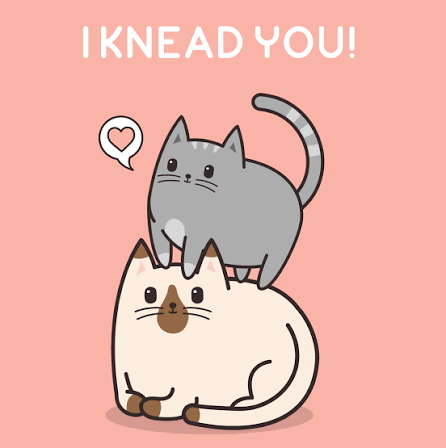
There is something naturally entertaining about cats. Their curious expressions, dramatic reactions, independent personalities, and unexpected habits make them perfect subjects for humor. Among the many ways people celebrate feline personalities, wordplay has become especially popular because it can turn an ordinary sentence into something memorable. Cat puns combine familiar expressions with feline-related words to create playful jokes that are easy to understand and share. Whether you are writing a social media caption, creating a greeting card, naming a pet project, or simply trying to make someone smile, a clever feline pun can add personality to the moment. The best examples are usually short, unexpected, and connected naturally to the situation. From simple jokes about paws and whiskers to imaginative references involving meow, claws, kittens, and litter boxes, there are countless directions to explore. Their versatility is one reason this style of humor continues to appeal to cat lovers of all ages.
Why Cat Wordplay Is So Popular
The appeal of cat puns comes partly from how many ordinary words can be transformed into feline-themed expressions. Words such as “paws,” “fur,” “meow,” “purr,” “claw,” and “kitten” can easily become part of jokes and playful phrases. A familiar expression can suddenly take on a completely different meaning when one word is replaced with a cat-related term. This creates humor without requiring a complicated setup or lengthy explanation. Cat humor also works well because cats already have recognizable behaviors that people find amusing. A cat refusing to move from a favorite chair, demanding food at an inconvenient hour, or staring intensely at an empty wall can inspire a humorous description. Wordplay gives people a creative way to capture those moments. It can be sweet, silly, sarcastic, or intentionally cheesy, depending on the audience. That flexibility makes feline-themed humor useful for everything from casual conversations to creative writing.
Funny Cat Puns for Everyday Conversations
Everyday situations offer endless opportunities for playful feline humor. Someone feeling relaxed might be described as being in a “purr-fect” mood, while a person who is unusually curious could be jokingly called a professional “cat-alyst” for questions. These expressions work because they modify words that people already know. A good joke does not necessarily need to be sophisticated; sometimes the most predictable pun is the one that produces the biggest smile. The humor can also come from deliberately exaggerating normal cat behavior. For example, a cat that refuses to acknowledge its owner might be described as having an “independent cattitude.” A feline that suddenly races around the house could be said to be having a “fur-midable” burst of energy. These playful phrases can be added naturally to conversations, messages, captions, or notes whenever a lighthearted tone is appropriate. The key is to match the joke with the situation rather than forcing a pun into every sentence.
Cute Cat Puns for Social Captions
Social media captions are another place where cat puns can work particularly well. A photograph of a kitten sleeping peacefully might pair with a short phrase such as “Just pawsing for a nap.” A playful cat sitting beside a window could inspire a caption about watching the world go “meow.” The advantage of short wordplay is that it can complement an image without competing with it. Captions can also reflect different moods. A cuddly photograph may call for something sweet, while a picture showing a cat looking unimpressed could benefit from a sarcastic phrase. Longer captions can use multiple feline references, but simple jokes are often easier to remember and share. When creating captions, consider the cat’s expression, pose, surroundings, and personality. A pun that connects directly with the photograph feels more original than a generic joke. This approach makes the caption part of the story rather than simply an extra line beneath the image.
Clever Puns About Paws and Claws
Paws and claws provide some of the richest material for feline wordplay. Expressions involving “pause” can easily become jokes involving “paws,” while words connected to strength or determination can be adapted with claw-related language. A cat taking a break might be “pawsing to reflect,” while an ambitious kitten could be described as “clawing its way to the top.” These jokes are particularly useful because the original words are already familiar. The humor comes from changing their context rather than inventing an entirely new phrase. Paws can also represent comfort, affection, or playful mischief. Claws, meanwhile, can suggest confidence, persistence, or a warning to anyone who interrupts nap time. This makes paw-and-claw jokes useful across many situations. Whether the tone is adorable, dramatic, or intentionally silly, these terms provide an easy foundation for creating fresh expressions.
Cat Puns for Birthdays and Celebrations
Celebrations are perfect occasions for playful humor. Birthday messages for cat lovers can include feline references that make a traditional greeting feel more personal. A birthday card might wish someone a “purr-fectly wonderful” day or encourage them to celebrate with plenty of treats and relaxation. The same idea can be adapted for anniversaries, congratulations, housewarmings, holidays, and other special occasions. Cat puns are especially useful for greeting cards because they can make even a short message feel distinctive. The writer can build the joke around the recipient’s personality or their relationship with cats. For example, someone known for loving cozy evenings might receive a message centered around naps and purrs. A friend who enjoys playful humor might appreciate a deliberately cheesy feline phrase. The most effective celebration jokes remain warm and positive, using wordplay to complement the message rather than replacing the genuine sentiment behind it.
Clever Cat Puns for Cat Lovers
People who genuinely love cats often enjoy humor that reflects familiar feline habits. A cat lover may recognize the daily routine of opening a door only to have the cat immediately change its mind, filling a food bowl that somehow becomes empty moments later, or discovering that an expensive toy has been ignored in favor of a cardboard box. These experiences create excellent opportunities for humorous observations. A person might jokingly describe their cat as the “purr-sident” of the household because it seems to make all the important decisions. Another playful phrase might describe an especially spoiled pet as living a “fur-st-class” lifestyle. The charm of these jokes comes from their familiarity. Cat owners understand the behavior behind the wordplay, so the joke becomes a shared reference. This makes feline humor especially effective among friends, families, and online communities that enjoy exchanging stories about their pets.
Short and Simple Cat Puns
Not every joke needs a long setup. In fact, some of the most memorable cat puns consist of only a few words. Short phrases are useful for text messages, captions, usernames, stickers, cards, and casual conversation. Examples can revolve around common words such as purr, fur, meow, paws, kitten, and whiskers. A short expression like “Stay pawsitive” can work as an encouraging message, while “You are simply purr-fect” can serve as a compliment. The simplicity makes these phrases easy to remember and adapt. Short jokes also allow people to add their own context. A single feline-themed phrase can mean something different depending on the photograph, conversation, or event surrounding it. When creating short wordplay, focus on clarity. If the reader needs several seconds to understand the joke, it may lose some of its impact. Simple word substitutions are often enough to create an effective result.
Creative Cat Puns for Writing Projects
Writers can use feline wordplay in many creative projects, including stories, poems, character names, fictional businesses, newsletters, and humorous articles. A fictional cat character might have a name inspired by a clever word combination, while a story about a mischievous kitten could use playful expressions throughout the narrative. Writers can also create recurring jokes based on a character’s personality. A serious-looking cat could constantly make “purr-suasive” arguments, while a curious kitten might become involved in every mystery in the neighborhood. The important thing is to use wordplay strategically. Too many jokes in a short passage can make the writing feel repetitive, while occasional puns can create rhythm and personality. Good creative writing uses feline humor as part of the overall tone rather than treating every sentence as an opportunity for a joke. When used carefully, these expressions can make characters more memorable and give an otherwise ordinary scene an extra layer of charm.
Why Bad Puns Can Still Be Good Fun
One of the funniest things about cat puns is that they do not always have to be brilliant. Sometimes the deliberately obvious or cheesy joke is exactly what makes people laugh. Puns have a unique relationship with humor because their predictability can become part of the joke. Readers may see the word coming and still enjoy the final result. This is particularly true with feline wordplay, where familiar constructions such as “purr-fect,” “pawsome,” and “fur-real” have become recognizable parts of casual humor. Rather than avoiding common phrases entirely, writers can experiment with them by placing them in unexpected situations. A familiar pun can feel fresh when the surrounding sentence is original. This also allows people with different writing styles to participate. You do not need to be a professional comedian to create a funny feline joke. A little creativity, timing, and willingness to embrace silliness can be enough.
How to Create Your Own Cat Puns
Creating your own cat puns begins with identifying ordinary words that sound similar to feline-related terms. Start with words such as cat, kitten, paw, purr, fur, claw, meow, whisker, litter, and tail. Then think about familiar expressions that contain words with similar sounds. Replace one word, read the sentence aloud, and see whether the new meaning creates a playful contrast. Another method is to observe the cat itself. A sleeping cat might inspire a joke about taking a “paws,” while an energetic kitten could inspire a phrase about having a “fur-midable” amount of energy. Context is important because the strongest jokes connect the wordplay to a recognizable situation. Experiment with different levels of silliness, from subtle references to exaggerated jokes. Reading the result aloud can also help identify whether the phrase sounds natural. With practice, creating original feline wordplay becomes an enjoyable creative exercise.
Using Cat Humor Without Overdoing It
Although cat puns can be entertaining, moderation can make them more effective. If every sentence contains a feline reference, the humor may become predictable. Instead, choose moments where a pun naturally strengthens the message. One well-placed joke can be more memorable than several unrelated ones. This is especially important in professional or mixed-audience writing, where the tone needs to remain appropriate. In casual content, you can be more playful, but clarity should still come first. Think about who will read the message and what response you want to create. A simple joke can make a caption friendly, while an overly complicated pun may distract from the main point. The best approach is to treat feline wordplay as seasoning rather than the entire meal. Used thoughtfully, it adds personality without overwhelming the content.
Conclusion
Cats have inspired countless forms of creativity, and wordplay is one of the simplest ways to celebrate their personalities. From clever references to paws and claws to playful phrases involving purrs, fur, and meows, there are endless opportunities to create memorable humor. Cat puns can brighten conversations, add personality to captions, make greeting cards more entertaining, and provide inspiration for creative writing. Their flexibility means they can be cute, clever, sarcastic, silly, or intentionally cheesy. The most successful examples usually connect naturally with the situation and remain easy for the audience to understand. Whether you are an enthusiastic cat lover or simply enjoy a good piece of wordplay, experimenting with feline-themed expressions can be a fun creative activity. Sometimes a tiny change to an ordinary phrase is all it takes to turn a simple sentence into something that makes someone smile. After all, when humor involves cats, there is always room for one more purr-fectly playful idea.