

Introduction
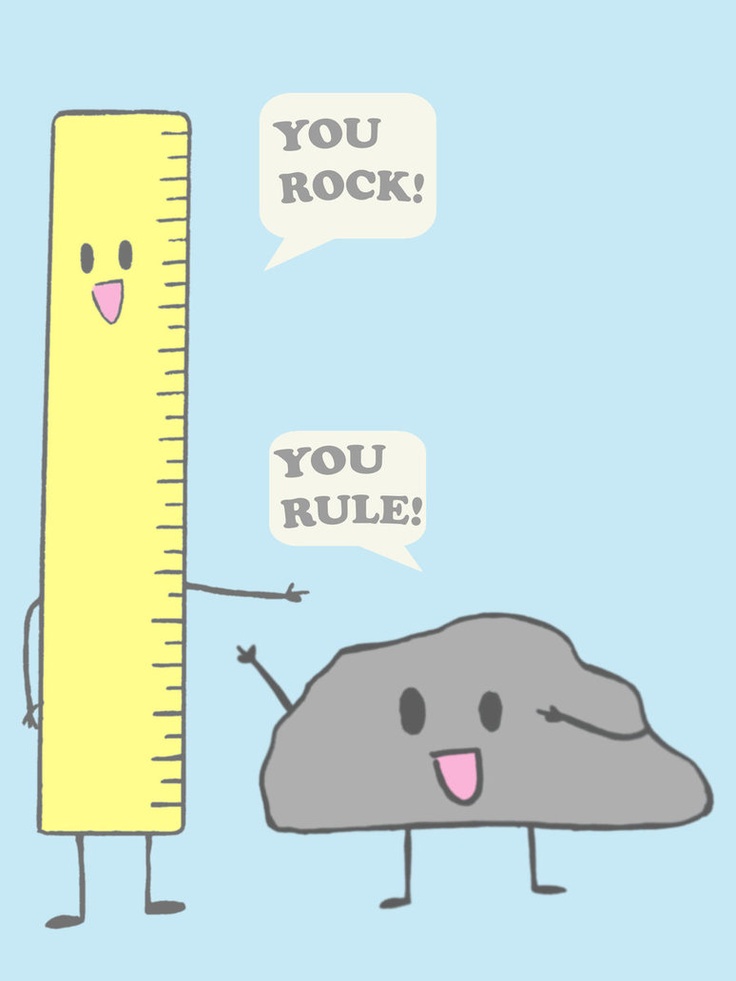
Everyday conversations are an important part of human interaction, but even the most interesting discussions can sometimes feel repetitive. Whether people are chatting with friends, communicating with colleagues, or exchanging messages online, adding a little humor can make ordinary interactions more memorable. Wordplay offers a simple yet effective way to introduce creativity into conversations without requiring elaborate jokes or complicated storytelling. A clever phrase, unexpected interpretation, or playful twist on a familiar expression can instantly change the mood and encourage people to engage more enthusiastically.
Puns have become a popular form of conversational humor because they combine language, imagination, and surprise. Unlike traditional jokes that often require a complete setup and punchline, wordplay can fit naturally into everyday discussions. Someone talking about gardening might say they are “rooting for success,” while a friend discussing an unsuccessful cooking experiment might admit that the results were “half-baked.” These expressions create humor by connecting ordinary situations with alternative meanings.
In today’s communication environment, where conversations happen through messaging applications, social media platforms, video calls, and face-to-face meetings, creative language has gained additional importance. People frequently look for ways to make their messages feel personal, entertaining, and memorable. Understanding how playful expressions work can help individuals develop a more engaging communication style while making social interactions enjoyable for everyone involved.
Understanding the Creative Nature of Wordplay
Wordplay is a form of linguistic creativity that uses the different meanings, sounds, or structures of words to create humor. English is particularly suitable for this technique because many words have multiple definitions, while others sound similar despite having different spellings. These characteristics allow speakers to create unexpected connections between ideas that would otherwise appear unrelated.
For example, the statement “I used to be a baker, but I couldn’t make enough dough” works because dough refers both to a baking ingredient and, informally, to money. The humor emerges when listeners recognize the second meaning. This small mental shift creates surprise, which is one of the essential ingredients of successful verbal comedy. Similar techniques appear in advertisements, entertainment, literature, and everyday speech.
Creative wordplay also demonstrates how flexible language can be. A familiar phrase can become amusing when placed in an unexpected context, while an ordinary word can produce several interpretations depending on how it is used. This flexibility encourages people to pay closer attention to language and recognize possibilities that might otherwise go unnoticed.
Why Puns Make Everyday Communication More Enjoyable
Humor plays an important role in social relationships because it helps people feel comfortable, relaxed, and connected. A lighthearted comment can reduce awkwardness during introductions, encourage participation in group discussions, or make a routine conversation feel more interesting. Wordplay is especially useful because it can introduce humor without requiring personal criticism or controversial topics.
Consider a workplace conversation about an upcoming deadline. Someone might say, “We need to make sure this project doesn’t become a pressing issue,” while discussing a printing assignment. The connection between the situation and the expression adds a playful element without distracting from the main topic. Such remarks can make routine exchanges feel less mechanical.
Puns are also memorable because they encourage listeners to process language in more than one way. Instead of simply receiving information, people briefly consider an alternative interpretation. This moment of recognition can make a phrase stand out, especially when the humor connects naturally with the surrounding discussion. However, timing and context remain important. A clever remark is usually most effective when it complements the conversation rather than interrupting it.
Different Types of Wordplay Used in Conversations
Homophonic Wordplay and Similar Sounds
Homophonic wordplay relies on words that sound alike but have different meanings or spellings. These similarities create opportunities for playful misunderstandings and unexpected connections. For example, someone visiting a beach might say, “Seas the day,” replacing the familiar expression “seize the day” with a word associated with the ocean. The phrase remains recognizable while gaining a humorous connection to the setting.
This technique works particularly well in spoken conversations because pronunciation creates the connection between the two meanings. It also appears frequently in greeting cards, restaurant names, social media captions, and advertising slogans. When used effectively, similar-sounding words can turn a simple message into something distinctive and entertaining.
Double Meanings and Unexpected Interpretations
Another common form of wordplay involves words that have more than one meaning. These expressions create humor when a sentence can be understood in two different ways. A musician who says, “I’m having a noteworthy day,” combines the ordinary meaning of noteworthy with the musical concept of notes.
Double meanings are especially effective when the surrounding context supports both interpretations. A photographer might describe a successful project as “picture-perfect,” while someone working in a bakery could say their business is “on the rise.” These examples show how everyday vocabulary can become amusing when connected with a relevant activity.
Unexpected Twists on Familiar Expressions
Familiar sayings provide excellent material for creative humor because listeners already recognize their original meanings. Changing a single word or introducing a surprising ending can transform an ordinary phrase into a playful observation.
For instance, someone who enjoys gardening might say, “I’m growing attached to my plants.” A person learning photography could announce, “I’m finally seeing things in a new light.” These statements are simple, but their connection to specific activities makes them entertaining. This approach is particularly useful for beginners because it starts with expressions people already understand.
Creative Puns for Different Everyday Situations
The most successful conversational humor often depends on matching the joke to the situation. A phrase that works during a casual lunch may not be suitable for a formal meeting, while a playful remark about technology might appeal more to friends who share similar interests.
The following table presents examples of wordplay that can fit naturally into common situations.
| Everyday situation | Creative expression | Why it works |
|---|---|---|
| Morning coffee | “Espresso yourself!” | Connects espresso with expressing yourself |
| Gardening | “I’m rooting for you.” | Uses roots as a gardening reference and an expression of support |
| Cooking | “Lettuce celebrate!” | Replaces “let us” with lettuce |
| Photography | “I can picture a bright future.” | Connects imagination with taking pictures |
| Reading | “That story really booked my attention.” | Gives a playful twist to the idea of capturing attention |
| Exercise | “I’m running out of excuses.” | Links running with the familiar expression |
| Music | “Stay tuned for something exciting.” | Combines musical tuning with anticipation |
These examples demonstrate how familiar subjects can inspire entertaining expressions. The goal is not to insert a joke into every sentence but to recognize moments when a playful connection feels appropriate. When humor emerges naturally from the topic, it is more likely to be appreciated.
How Wordplay Strengthens Friendships and Social Connections
Friendships often develop through shared experiences, comfortable communication, and a mutual sense of humor. Playful language can contribute to these connections by creating small moments of enjoyment. Friends who regularly exchange humorous expressions may develop inside jokes that reflect their personalities, interests, and shared memories.
Imagine two friends preparing dinner together. One accidentally drops a vegetable and says, “Looks like dinner has taken a turnip for the worse.” The remark transforms a minor inconvenience into a funny moment. Instead of focusing on the mistake, both friends can enjoy the unexpected connection between the vegetable and the familiar expression.
Humor can also make conversations feel less formal. People sometimes hesitate to participate in unfamiliar social situations because they are unsure what to say. A friendly joke may help establish a relaxed atmosphere, provided it is appropriate for the audience. The most effective conversational humor is inclusive, allowing others to enjoy the moment without feeling embarrassed or excluded.
The Growing Popularity of Wordplay in Digital Communication
Digital communication has changed how people express humor. Messaging applications, online communities, short-form videos, and social media captions encourage concise language that can communicate personality quickly. Because online audiences often encounter large amounts of content, a memorable phrase can help a message attract attention.
Puns are particularly suitable for digital communication because they can deliver humor in a small amount of text. A coffee shop might post “Brew-tiful mornings start here,” while a book enthusiast might caption a reading photograph with “Booked for the weekend.” These expressions combine recognizable language with subject-specific creativity, making them suitable for casual posts and promotional messages.
In 2026, digital communication continues to involve a mixture of written messages, visual content, voice notes, and short videos. Wordplay can adapt to these different formats, although its effectiveness depends on clarity. A phrase that sounds funny when spoken may be confusing in writing, particularly if it depends on pronunciation. Creators therefore benefit from considering how their audience will encounter and interpret the message.
Using Creative Humor in Professional Communication
Professional environments often require clear and respectful communication, but that does not mean every interaction must sound completely formal. Appropriate humor can make presentations more engaging, encourage participation during brainstorming sessions, and create a friendlier atmosphere among colleagues.
For example, a designer presenting a new visual concept might say, “We have a bright idea worth highlighting.” A gardening business discussing customer satisfaction could use the expression “Our relationships continue to grow.” These phrases add personality while remaining connected to the subject.
However, professional humor requires judgment. Important announcements, sensitive discussions, and serious workplace concerns generally benefit from direct language rather than playful expressions. Cultural differences and language proficiency can also influence how jokes are understood. A phrase that seems obvious to one person may be unfamiliar to another. Successful workplace communication should prioritize clarity, using humor only when it supports the intended message.
How to Create Original Puns Without Forcing the Humor
Creating entertaining wordplay is a skill that can improve through observation, vocabulary development, and regular practice. The process begins with recognizing words that have multiple meanings or resemble other familiar expressions. Everyday activities such as cooking, shopping, exercising, and traveling provide numerous opportunities for discovering these connections.
A useful starting point is to choose a subject and identify related vocabulary. For example, photography includes words such as focus, exposure, frame, lens, and picture. Several of these terms also appear in ordinary expressions. Someone might say, “Let’s focus on the positives,” or “I need a better perspective.” The connection becomes amusing when these phrases are used in a photography-related conversation.
A few practical techniques can make the creative process easier:
-
Choose familiar subjects that your audience understands, such as food, music, sports, or technology.
-
Look for words with multiple meanings or similar pronunciations.
-
Adapt common expressions to fit the situation rather than inventing complicated sentences.
-
Keep the wording short enough for listeners to recognize the humorous connection quickly.
-
Test the expression in a natural conversation and observe whether it feels effortless.
The most important principle is simplicity. A joke that requires several explanations may lose its effect before the listener understands it. Strong wordplay usually creates a recognizable connection almost immediately, allowing the humor to emerge without additional effort.
The Relationship Between Language Creativity and Mental Flexibility
Understanding wordplay involves more than recognizing a funny phrase. The listener must often identify an unexpected meaning, compare it with the original interpretation, and recognize why both meanings are relevant. This process illustrates the flexible nature of human language comprehension.
When someone hears the statement “The bicycle couldn’t stand alone because it was two-tired,” the humor depends on recognizing the similarity between “too tired” and “two-tired.” The mind connects an ordinary explanation for exhaustion with the physical structure of a bicycle. This reinterpretation produces the joke.
Engaging with such expressions can encourage people to explore vocabulary and consider alternative meanings. For language learners, wordplay can also introduce idioms, pronunciation patterns, and cultural references. However, understanding these jokes may require familiarity with the language, so explanations are sometimes necessary.
Creative language activities are best viewed as enjoyable opportunities to practice linguistic flexibility rather than guaranteed methods for improving intelligence or cognitive performance.
Making Family Conversations More Playful
Family interactions provide numerous opportunities for lighthearted humor. Shared meals, weekend activities, school discussions, and celebrations often involve familiar situations that can inspire creative expressions. Because family members frequently understand one another’s personalities and interests, playful language can become part of their everyday communication.
Parents might use a simple joke while helping children prepare breakfast, such as “You’re egg-stra special today.” During a family gardening activity, someone could announce, “We’re growing great memories.” These expressions introduce humor while reinforcing positive interactions.
Children may particularly enjoy discovering how words can carry different meanings. A joke about a pencil having a “point” can encourage curiosity about language and lead to conversations about vocabulary. Rather than treating wordplay as a formal lesson, families can incorporate it naturally into storytelling, games, and daily routines.
The best family-friendly humor is easy to understand, respectful, and suitable for different ages. When everyone can participate, playful conversations become shared experiences rather than performances by one person.
When Humor Helps Break the Ice
Meeting new people can sometimes feel uncomfortable, especially when individuals have different backgrounds or limited shared experiences. A lighthearted remark may help establish a friendly atmosphere by introducing an approachable tone.
For example, two people attending a cooking workshop might begin discussing their limited experience. One could say, “Hopefully, we can rise to the occasion.” Because the remark relates directly to cooking, it creates an opportunity for shared amusement without requiring personal information.
The key is to observe the other person’s response. Some people enjoy playful conversation immediately, while others prefer straightforward communication until they feel more comfortable. Humor should therefore remain an invitation rather than an expectation. A smile or enthusiastic response may suggest that the joke was appreciated, while a neutral reaction indicates that continuing with ordinary conversation is perfectly appropriate.
Common Mistakes That Reduce the Impact of Wordplay
Although creative expressions can make communication more enjoyable, excessive or poorly timed humor may have the opposite effect. Repeating similar jokes too frequently can make conversations feel predictable. Likewise, inserting unrelated wordplay into a serious discussion may distract listeners from the main message.
Another common mistake involves creating expressions that are too complicated. When a joke depends on obscure vocabulary or several layers of interpretation, the audience may struggle to understand it. This is particularly relevant in international conversations, where participants may have different levels of familiarity with English idioms.
Puns work best when they support communication rather than dominate it. A thoughtful speaker considers the audience, setting, and purpose of the conversation before introducing humor. The ability to recognize when not to make a joke is just as valuable as knowing how to create one.
Developing a Personal Style of Conversational Humor
Everyone has a different sense of humor, influenced by personality, language, culture, and personal experiences. Some individuals enjoy clever observations, while others prefer simple jokes based on familiar objects and activities. Developing a personal style involves discovering which expressions feel comfortable and authentic.
People who enjoy reading may naturally create literary wordplay, while technology enthusiasts might prefer jokes involving software, devices, or digital terminology. A person interested in cooking could use food-related expressions during casual conversations. Connecting humor with genuine interests often makes it easier to produce original ideas.
Listening is equally important. By paying attention to the topics people discuss, speakers can identify opportunities for playful comments without forcing them. Over time, this awareness can make humor feel like a natural extension of communication rather than a rehearsed performance.
Frequently Asked Questions
1. What makes a pun funny in everyday conversations?
A pun becomes funny when it creates an unexpected connection between different meanings or sounds of words. The humor usually comes from recognizing a second interpretation that fits the situation in a surprising way. Timing, familiarity, and context influence whether the audience appreciates the joke. Simple expressions connected to the ongoing conversation are generally easier to understand and enjoy.
2. Can wordplay improve communication skills?
Wordplay can provide opportunities to explore vocabulary, pronunciation, and different meanings of familiar expressions. Creating humorous phrases also encourages speakers to think carefully about their choice of words and audience. Although it does not automatically improve every aspect of communication, it can be an enjoyable way to practice language creativity and conversational awareness.
3. Are playful expressions appropriate for professional settings?
They can be appropriate when the workplace atmosphere is relaxed and the humor supports the discussion. Light wordplay may help make presentations memorable or create friendly interactions among colleagues. However, serious meetings, sensitive topics, and formal announcements usually require direct communication. Professional humor should always remain respectful, relevant, and easy to understand.
4. How can beginners learn to create better wordplay?
Beginners can start by identifying familiar words with multiple meanings and looking for expressions connected to everyday activities. Reading humorous captions, listening to conversational comedy, and experimenting with common sayings can provide inspiration. Regular practice helps individuals recognize connections more quickly, but clarity and natural timing are more important than producing a large number of jokes.
5. Why is wordplay so common on social media?
Social media encourages short, memorable expressions that communicate personality quickly. Wordplay can make captions, comments, and promotional messages more distinctive without requiring lengthy explanations. It also combines easily with photographs and videos, allowing the subject of the content to reinforce the joke. However, successful online humor still depends on audience familiarity and cultural context.
6. Can children benefit from learning humorous expressions?
Children can enjoy wordplay as a playful introduction to vocabulary, sounds, and alternative meanings. Simple jokes may encourage curiosity about how language works and create opportunities for family interaction. Age-appropriate examples are particularly useful because children can understand the connection without complicated explanations. Activities involving rhymes, storytelling, and familiar objects can make learning entertaining.
Conclusion
Creative language has the ability to transform ordinary conversations into enjoyable and memorable experiences. A well-placed humorous expression can brighten someone’s day, make a social interaction feel more comfortable, or add personality to a digital message. Whether people are communicating with friends, family members, colleagues, or online audiences, thoughtful wordplay offers an accessible way to introduce humor into everyday life.
The lasting appeal of Puns comes from their simplicity and versatility. They can be inspired by almost any subject, from cooking and gardening to music, technology, and travel. Their effectiveness does not depend on complicated storytelling but on recognizing unexpected relationships between familiar words and ideas.
Ultimately, successful conversational humor is about connection rather than constant entertainment. By understanding the audience, choosing appropriate moments, and allowing creativity to develop naturally, anyone can make everyday communication more engaging. Even a small playful remark can turn an ordinary exchange into a shared moment worth remembering.