

Introduction
Humor is one of the simplest ways to bring people together, brighten an ordinary day, and make conversations more enjoyable. Among the many forms of comedy, wordplay holds a special place because it combines creativity, intelligence, and unexpected meanings. A clever joke does not always need an elaborate story or a complicated setup. Sometimes, a single word used in an unusual way can produce genuine laughter. This is why Puns continue to entertain people across different ages, cultures, and social settings. Whether someone is sharing a funny message with friends, writing a creative caption, or trying to make a family gathering more entertaining, playful language can turn an ordinary moment into something memorable.
In today’s communication-driven world, humor has become an important part of everyday interactions. Social media platforms, messaging applications, workplace conversations, and online communities constantly encourage people to express themselves in creative ways. Short jokes and witty expressions are especially popular because they are easy to understand and share. Wordplay fits naturally into this environment, offering entertainment without requiring lengthy explanations. It also encourages people to look at familiar words from different perspectives, making language more interesting and enjoyable.
Exploring creative wordplay is not simply about collecting funny phrases. It involves understanding how language works, recognizing double meanings, and discovering how unexpected connections can create amusement. From classic jokes to modern digital humor, clever expressions demonstrate that even ordinary words can become powerful tools for entertainment.
What Makes Creative Wordplay So Entertaining?
The appeal of creative wordplay comes from its ability to surprise the listener. Most conversations follow predictable patterns, with words carrying familiar meanings. A clever joke interrupts that expectation by introducing an alternative interpretation. The audience initially understands a phrase in one way, only to discover that another meaning was intended. This unexpected shift creates a moment of recognition that often leads to laughter. The enjoyment comes not only from the joke itself but also from the mental process of understanding the connection between two different meanings.
Another reason wordplay remains entertaining is its accessibility. Unlike humor that depends heavily on cultural references or specialized knowledge, many language-based jokes rely on familiar everyday experiences. Food, animals, weather, relationships, school, and work provide endless opportunities for playful expressions. A simple joke about a calendar having too many dates can entertain people because the humor connects two common interpretations of a familiar word. This flexibility allows creative language to remain relevant in different environments and makes it suitable for both casual conversations and written entertainment.
The Role of Surprise in Making People Laugh
Surprise is one of the most important elements of successful humor. When people hear the beginning of a sentence, their minds naturally predict what will come next. A well-constructed joke takes advantage of that expectation by delivering an unexpected ending. The surprise does not need to be dramatic; even a small change in meaning can make a sentence amusing. For example, saying that a gardener is outstanding in their field creates humor because the phrase can describe both professional excellence and someone literally standing in a field.
The timing of this unexpected interpretation also matters. If the punchline is too obvious, the joke may lose its impact. If it is too complicated, listeners may struggle to understand the connection. Effective humor finds a comfortable balance between familiarity and surprise. This explains why short, clever expressions often receive stronger reactions than unnecessarily complicated jokes.
Different Types of Puns That Make People Smile
Wordplay appears in several forms, each using language differently to create humor. Some jokes depend on words that sound alike but have different meanings, while others use a single word with multiple interpretations. There are also expressions that intentionally combine familiar phrases or create humorous misunderstandings. Understanding these different styles helps explain why certain jokes work particularly well in specific situations. It also provides inspiration for anyone interested in creating original, entertaining expressions.
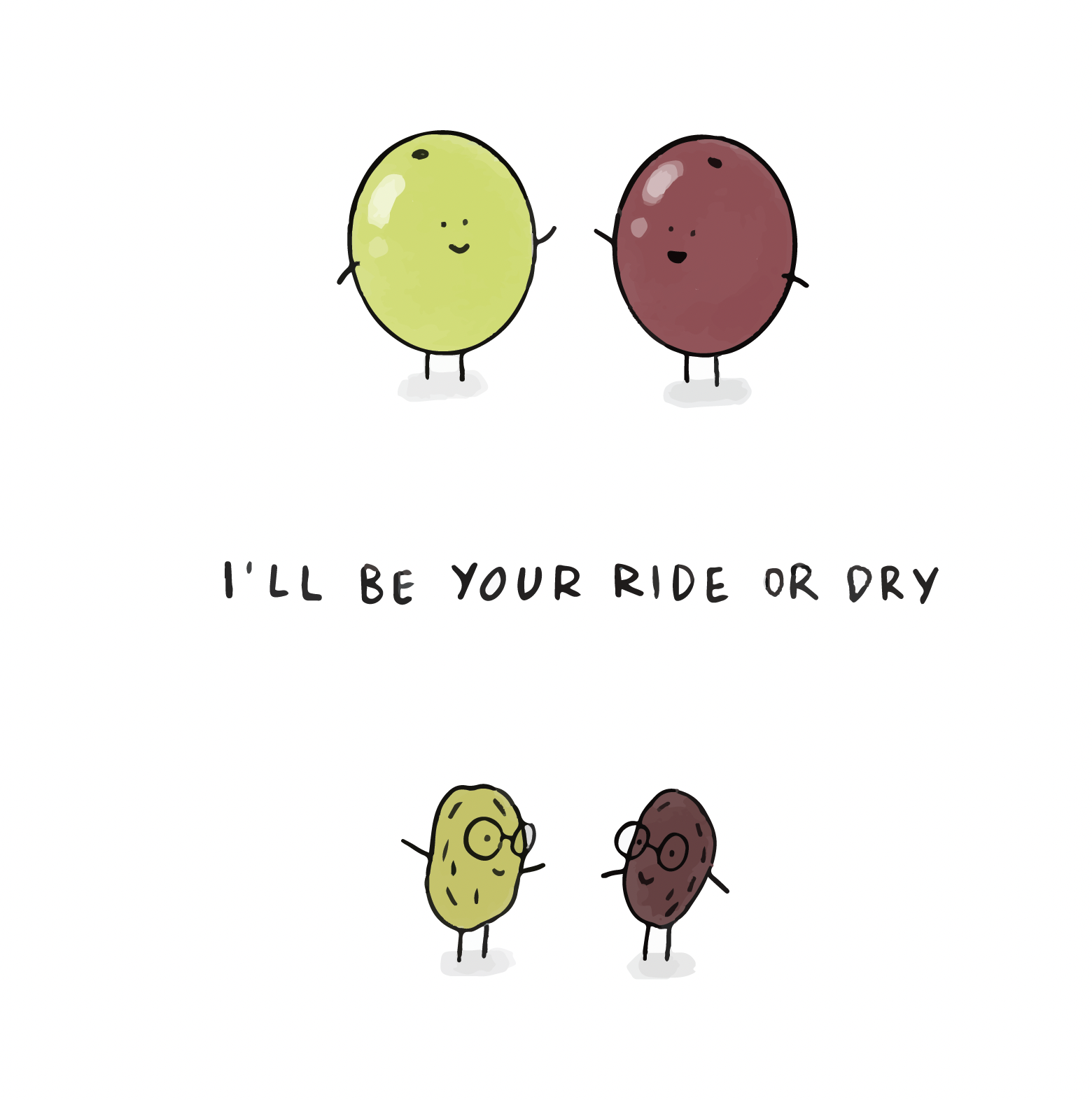
One of the most common approaches involves homophones, which are words that sound similar but have different spellings or meanings. Another approach uses double meanings, where a single word can be interpreted in more than one way. Visual wordplay adds another dimension by combining images and text to communicate a joke. These techniques can be used independently or together, creating countless possibilities for amusing conversations, captions, advertisements, and creative writing.
| Type of Wordplay | Example | Why It Is Funny |
|---|---|---|
| Homophonic | The bicycle was two-tired to continue. | Connects tiredness with having two tires. |
| Double meaning | The calendar has too many dates. | Uses two meanings of the word dates. |
| Animal humor | The owl knows who to call. | Plays with the sound of an owl’s call. |
| Food humor | Lettuce celebrate the good news. | Replaces “let us” with a similar-sounding vegetable. |
| Workplace humor | The electrician had a bright idea. | Connects intelligence with electrical lighting. |
These examples demonstrate how familiar subjects can become entertaining through small changes in language. The most effective jokes usually avoid unnecessary complexity and allow readers to recognize the humorous connection almost immediately.
Why Puns Are Popular Across Different Age Groups
One remarkable feature of language-based humor is its ability to entertain people at different stages of life. Children often enjoy simple jokes because they are discovering how words sound and what they mean. A playful expression can introduce them to new vocabulary while encouraging curiosity about language. Parents and teachers frequently use humorous examples to make learning more engaging, particularly when introducing spelling, pronunciation, and reading activities.
Adults often appreciate more sophisticated wordplay involving professional situations, relationships, or familiar daily frustrations. A workplace joke about deadlines or a clever expression about household responsibilities can create a sense of shared understanding. Older adults may enjoy classic forms of humor that remind them of familiar sayings and traditional jokes. Although preferences vary, the underlying appeal remains consistent: people enjoy recognizing unexpected connections between words and ideas.
How Humor Connects Different Generations
Shared laughter can create meaningful connections between people who have different interests and experiences. Family gatherings provide a good example. A grandparent may tell a traditional joke, while a younger family member responds with a modern variation. Both expressions can produce amusement because the central idea is easy to understand.
Humor also gives people a comfortable way to interact when they do not know each other well. A harmless joke can reduce awkwardness and encourage conversation. While not every joke appeals to everyone, lighthearted wordplay often provides a relatively safe starting point for building friendly connections.
Creative Wordplay in Everyday Conversations
Everyday conversations offer countless opportunities to introduce humor naturally. A simple greeting, casual observation, or ordinary question can become more entertaining when expressed creatively. Someone discussing a difficult morning might joke that their coffee has a latte responsibility for keeping them awake. Although the statement is intentionally playful, it communicates a familiar experience while making the conversation more enjoyable.
The key is choosing an appropriate moment. Humor works best when it complements the conversation rather than interrupting it. A joke during a relaxed lunch break may receive a warm response, while the same expression during a serious discussion could feel inappropriate. Understanding the audience, setting, and emotional tone is essential. Effective conversational humor should make people feel included instead of confused or uncomfortable.
Using Humor Without Making Conversations Awkward
Not every conversation requires a joke, and forcing humor can make an interaction feel unnatural. The most successful expressions often emerge from something already being discussed. If friends are talking about cooking, a food-related joke may fit comfortably. If coworkers are discussing a new project, a lighthearted comment about creativity or teamwork might be more suitable.
Delivery also influences how people respond. A relaxed tone, natural timing, and willingness to laugh at oneself can make even a simple joke enjoyable. When someone does not understand an expression immediately, a brief explanation is usually enough. Humor should add warmth to communication rather than become a competition over who can produce the cleverest remark.
How Social Media Has Changed the Popularity of Puns
Social media has created new opportunities for short, creative humor to reach large audiences. Platforms built around quick updates, visual posts, and brief videos naturally favor expressions that communicate an idea immediately. Wordplay is especially suitable because it can be incorporated into captions, memes, comments, and short-form videos without requiring extensive background information. A clever phrase paired with a relevant image can make an ordinary post more memorable.
In 2026, digital communication continues to emphasize concise, visually engaging content. Creators and businesses regularly experiment with humorous captions to encourage interaction and establish recognizable personalities. However, popularity does not guarantee effectiveness. Successful content still depends on originality, relevance, and an understanding of the intended audience. Repeating familiar jokes without adding a fresh perspective may produce less engagement than a simple expression connected to a genuine experience.
Why Short and Clever Captions Work Well
Short captions are easy to read while scrolling through busy social feeds. They can communicate personality without overwhelming the viewer with unnecessary information. A bakery might describe a new product as something customers will loaf, while a gardening enthusiast could share a photograph with a playful comment about growing confidence.
The strongest captions usually connect directly to the accompanying content. When an image and phrase support each other, the audience can understand the joke quickly. This combination makes wordplay useful for personal profiles, creative communities, and businesses seeking approachable communication.
The Creative Benefits of Making Your Own Wordplay
Creating original jokes can be an enjoyable mental exercise. It encourages people to examine language carefully, recognize similarities between words, and experiment with alternative meanings. Rather than accepting the first interpretation of a phrase, the mind begins searching for unusual connections. This process involves flexible thinking, which can also be valuable in storytelling, brainstorming, and creative problem-solving.
Developing humorous expressions requires practice, but the process does not need to be complicated. Many successful ideas begin with ordinary objects or familiar activities. A person might choose a topic such as music, travel, cooking, or animals and identify words associated with it. By exploring similar sounds and alternative meanings, they can gradually build original jokes. Some attempts will feel awkward, while others may produce genuinely entertaining results.
Simple Techniques for Creating Original Jokes
A practical approach is to start with a familiar phrase and identify one word that could be replaced with a similar-sounding alternative. The replacement should connect naturally to the chosen topic. Another technique involves finding words with multiple meanings and constructing a sentence that supports both interpretations.
For beginners, these techniques can make the creative process easier:
-
Choose familiar subjects such as food, animals, weather, or hobbies.
-
Look for words with similar sounds or multiple meanings.
-
Build a short sentence around the unexpected interpretation.
-
Test whether the joke is understandable without a long explanation.
Experimentation is important because humor is subjective. A joke that entertains one person may not appeal to another. Feedback from friends or family can help identify which expressions feel natural and which need improvement.
How Puns Can Improve Creative Writing and Storytelling
Humorous language can make written content more engaging by introducing variety and personality. Writers often use clever expressions in headlines, dialogue, character descriptions, and informal articles. When used carefully, wordplay can capture attention and encourage readers to continue exploring the content. A humorous opening sentence may establish a friendly tone, while an unexpected phrase in a story can reveal something about a character’s personality.
However, effective writing requires balance. Too many jokes can distract readers from the central message, especially when the subject demands clarity or detailed explanation. The strongest writing uses humor strategically, allowing it to support the narrative rather than dominate it. For example, a children’s story might feature playful language throughout, while an educational article may benefit from only a few carefully selected examples. The purpose of the content should always guide the amount and style of humor.
The Educational Value of Language-Based Humor
Wordplay offers more than entertainment. It can support language learning by encouraging students to recognize differences between pronunciation, spelling, and meaning. When learners encounter a joke based on two interpretations of the same word, they must consider context to understand the humor. This process can strengthen vocabulary awareness and encourage closer attention to sentence structure.
Teachers can also use playful examples to make classroom activities more memorable. Students who might find traditional vocabulary exercises repetitive may become more interested when familiar words are presented in amusing situations. Humor can encourage participation and discussion, particularly when learners are invited to create their own examples. Its educational value depends on choosing jokes appropriate for the students’ language proficiency and ensuring that the intended meaning is clear.
Building Confidence Through Playful Language
Language learners sometimes hesitate to speak because they worry about making mistakes. Lighthearted exercises can create a more welcoming environment where experimentation feels acceptable. When students discover that words can have surprising meanings, they may become more willing to ask questions and explore unfamiliar expressions.
This approach can also help learners understand cultural communication. Humor varies across languages, and a joke that works in one language may not translate effectively into another. Discussing these differences can deepen understanding of vocabulary, context, and everyday communication.
Using Clever Humor in Marketing and Branding
Businesses frequently use playful language to make their messages more memorable. A creative slogan can communicate a product’s purpose while presenting the brand as friendly and approachable. Restaurants, bookstores, coffee shops, and lifestyle businesses are particularly well suited to this style because their products often connect naturally with familiar expressions.
Humor can also help advertisements stand out in crowded digital environments. Consumers encounter large amounts of promotional content every day, so an unexpected phrase may attract attention more effectively than a generic statement. Nevertheless, a clever message should never come at the expense of clarity. Customers still need to understand what a business offers and why it matters. The best marketing wordplay reinforces the product or service rather than distracting from it.
Matching Humor With Brand Personality
A playful tone may work beautifully for a casual café but feel less appropriate for an organization communicating serious financial or medical information. Businesses should consider audience expectations, industry standards, and the purpose of each message before introducing jokes.
Consistency is equally important. A brand that regularly communicates in a friendly, humorous voice can use clever language naturally. Sudden changes in tone may confuse customers, especially when the humor feels unrelated to the company’s identity.
Common Mistakes That Make Wordplay Less Effective
Although creating humorous expressions can be enjoyable, certain mistakes reduce their impact. One common problem is making a joke so complicated that the audience cannot recognize the connection. Another is relying on a word that sounds similar only in a particular accent, making the expression difficult for other listeners to understand. Context matters because successful humor depends on shared knowledge and expectations.
Overusing jokes can also weaken their effect. When every sentence contains an attempted punchline, readers may become distracted or tired of the repeated pattern. Some expressions also depend on stereotypes or sensitive subjects that can make others uncomfortable. Choosing inclusive, lighthearted themes generally makes humor more suitable for a wider audience. Good judgment, originality, and simplicity remain more valuable than the number of jokes included in a conversation.
Why Classic Wordplay Still Matters in Modern Culture
Despite changes in technology and entertainment, traditional language-based humor continues to hold cultural value. Classic jokes survive because they are easy to remember, repeat, and adapt. Many are passed between generations through family conversations, books, classroom activities, and social gatherings. Their familiar structure makes them recognizable even when the subject changes.
Modern creators frequently update traditional expressions by connecting them with contemporary experiences. A familiar joke about books might be adapted to describe digital reading, while a traditional workplace expression could be reimagined for remote meetings. These adaptations demonstrate how flexible language can be. The underlying humor remains familiar, but the setting changes to reflect modern lifestyles and communication habits.
Frequently Asked Questions
1. What makes a pun genuinely funny?
A successful pun creates an unexpected connection between words or meanings while remaining easy to understand. The humor usually comes from recognizing a surprising interpretation of a familiar expression. Timing, context, and audience expectations also influence whether the joke produces laughter.
2. Can wordplay help improve communication skills?
Yes, practicing wordplay can encourage vocabulary development, flexible thinking, and greater awareness of language. It can also help people communicate more creatively and introduce lighthearted moments into conversations. However, humor works best when it is appropriate for the situation and audience.
3. Why do some people enjoy clever jokes more than others?
Humor preferences differ because people have different experiences, language abilities, and personal tastes. Some enjoy simple jokes with obvious meanings, while others prefer more complex expressions that require additional thought. Cultural background and familiarity with particular words can also influence enjoyment.
4. How can beginners become better at creating funny expressions?
Beginners can start by collecting familiar phrases, identifying words with double meanings, and experimenting with similar sounds. Reading humorous writing and observing everyday conversations can provide inspiration. Regular practice and feedback help develop better timing and more natural expressions.
5. Are language-based jokes suitable for professional environments?
They can be appropriate when used thoughtfully. Lighthearted humor may make workplace interactions friendlier, encourage creativity, and help colleagues connect. However, professional communication should prioritize respect and clarity, especially during serious discussions or when addressing sensitive subjects.
6. Will AI-generated humor replace human creativity?
Artificial intelligence can suggest word combinations, identify linguistic patterns, and help brainstorm humorous ideas. However, human judgment remains important for understanding emotional context, cultural differences, and appropriate timing. AI-generated suggestions can serve as creative starting points, while people decide which expressions genuinely suit their audience.
Conclusion
Creative wordplay demonstrates that humor does not always require elaborate stories or complicated performances. Sometimes, a familiar phrase presented from an unexpected perspective is enough to create a memorable moment. From everyday conversations and family gatherings to education, storytelling, and digital marketing, clever language offers numerous opportunities to entertain, communicate, and connect.
The lasting appeal of Puns lies in their simplicity, flexibility, and ability to encourage imaginative thinking. They invite people to explore familiar words, recognize surprising meanings, and appreciate the playful possibilities of language. Although not every joke will appeal to everyone, thoughtful humor can make ordinary interactions more enjoyable.
As communication continues to evolve, creative expressions will remain valuable because they combine entertainment with human connection. Whether someone is developing an original joke, writing a humorous caption, or sharing a lighthearted comment with friends, the most important ingredients are creativity, timing, and an understanding of the audience. A small moment of cleverness can often produce a smile that lasts much longer than the joke itself.