

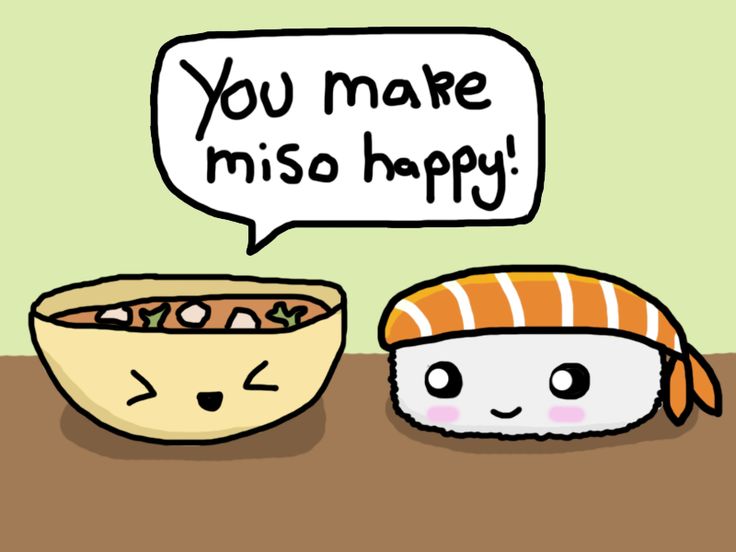
Introduction
Humor is an important part of everyday life because it helps people relax, connect with others, and enjoy ordinary experiences. Among the many forms of humor, wordplay stands out for its simplicity, creativity, and ability to transform familiar expressions into something unexpectedly funny. A clever combination of words can turn a routine conversation into a memorable exchange, making even the simplest situations more enjoyable. Whether someone is chatting with friends, sharing a social media caption, or making a lighthearted comment at work, language-based humor can create an instant connection.
Puns are a particularly interesting form of humor because they use words with multiple meanings or similar sounds to create amusing interpretations. Their charm comes from the unexpected connection between two ideas that initially appear unrelated. A short sentence can contain an entire joke, allowing people to enjoy humor without requiring a complicated story or lengthy explanation. This makes wordplay accessible to different age groups, cultures, and communication styles, although some jokes depend on familiarity with a particular language.
In today’s digital environment, creative humor has become even more visible through online conversations, advertisements, memes, and entertainment content. People regularly encounter playful expressions in everyday communication, demonstrating how humor continues to evolve alongside modern technology. Understanding why wordplay works and how it influences human interaction reveals that these simple jokes offer more than entertainment. They encourage creative thinking, strengthen social relationships, and make communication more expressive.
Understanding the Meaning and Nature of Wordplay
Wordplay is a creative language technique that produces humor by exploring different meanings, pronunciations, or interpretations of words. It relies on the flexibility of language and the listener’s ability to recognize an unexpected connection. Unlike traditional jokes that often involve a setup and punchline, wordplay can create humor within a single sentence. Its effectiveness depends on timing, context, and the relationship between the words being used.
For example, the sentence “I used to be a baker, but I couldn’t make enough dough” works because the word “dough” refers to both a baking ingredient and money. The listener initially understands the sentence in one way before recognizing its second meaning. This shift creates a moment of surprise that can lead to laughter. Similar techniques appear in everyday conversations, advertisements, book titles, and entertainment programs, proving that creative language has an important place in modern communication.
Why Simple Wordplay Can Be So Entertaining
The entertainment value of wordplay comes from the human brain’s natural interest in patterns, connections, and surprises. When someone hears an expression with two possible meanings, the brain briefly considers different interpretations. Recognizing the unexpected meaning creates a satisfying mental connection. This combination of surprise and understanding explains why even a short joke can be memorable.
Another reason wordplay is entertaining is its accessibility. People do not need expensive equipment, special settings, or complicated storytelling skills to enjoy it. A playful comment during dinner or an amusing caption on a photograph can create a shared moment of laughter. Although humor preferences vary, simple language-based jokes often appeal to audiences because they combine familiar vocabulary with unexpected creativity.
How Puns Make Everyday Conversations More Enjoyable
Everyday conversations often involve familiar topics such as work, food, travel, family, and daily responsibilities. While these discussions are necessary, they can sometimes become repetitive. Introducing playful language can make communication feel more spontaneous and entertaining. A well-timed joke can reduce formality, encourage participation, and make people more comfortable expressing themselves.
Imagine two friends discussing a difficult gardening project. One says, “I guess we need to grow through this challenge.” The expression connects personal development with the literal act of growing plants. Although the humor is gentle, it adds personality to the conversation. These small moments demonstrate how language can transform ordinary experiences into enjoyable interactions without distracting from the original discussion.
Creating Natural Humor Without Forcing Jokes
Successful conversational humor depends on understanding the situation and the people involved. A clever remark feels entertaining when it develops naturally from the topic being discussed. However, repeatedly inserting jokes into serious conversations can make communication feel uncomfortable or distracting. The most effective approach is to recognize opportunities where playful language fits the mood.
For instance, someone preparing dinner might say, “Lettuce celebrate this delicious meal.” The joke works because the word “lettuce” sounds similar to “let us.” It is simple, relevant, and easy to understand. Such expressions can make family meals, friendly gatherings, and informal discussions more cheerful. The goal is not to make every sentence funny but to introduce occasional moments of creativity that improve the overall experience.
The Psychology Behind Language-Based Humor
Humor involves several psychological processes, including expectation, surprise, recognition, and emotional response. When people encounter an unusual expression, their minds attempt to interpret its meaning. If the sentence contains an unexpected but understandable connection, the realization can create amusement. Researchers often discuss this process through incongruity-based explanations of humor, which emphasize the relationship between expectations and surprising outcomes.
Language-based humor also encourages mental flexibility. Understanding a joke with multiple meanings requires the listener to move between interpretations and recognize connections. This does not mean that hearing jokes automatically improves intelligence, but it illustrates how humor engages ordinary language-processing abilities. Wordplay can also invite people to think beyond literal meanings, encouraging them to explore language from different perspectives.
How Humor Influences Mood and Social Connection
Laughter can provide a pleasant emotional break from routine activities. During stressful days, a humorous comment may help someone feel more relaxed or create a temporary sense of relief. Shared laughter can also communicate friendliness and strengthen social bonds. However, humor is highly individual, and not everyone responds to the same joke in the same way.
When used respectfully, playful language can help create a welcoming atmosphere. Colleagues may feel more comfortable participating in informal discussions, while friends and family members may develop memorable shared experiences. The emotional value of humor often comes from these small interactions rather than from the complexity of the joke itself.
Different Types of Puns and Their Creative Uses
Wordplay appears in several forms, each using a different linguistic technique to create an amusing result. Some expressions depend on words that sound alike, while others use a single word with multiple meanings. Certain jokes also rely on familiar phrases that are slightly changed to produce an unexpected interpretation.
Understanding these variations helps explain why language-based humor appears across different communication settings. Writers may use sound-based jokes in headlines, while advertisers may prefer expressions that connect directly with a product. Teachers may choose simple examples to demonstrate vocabulary, and social media creators may combine wordplay with images to make their content more memorable.
| Type of wordplay | How it works | Example |
|---|---|---|
| Homophonic | Uses words with similar sounds | “The bicycle couldn’t stand because it was two-tired.” |
| Homographic | Uses one spelling with different meanings | “The fisherman was hooked on his hobby.” |
| Compound | Combines multiple wordplay ideas | “The calendar thief got twelve months.” |
| Visual | Connects an image with playful language | A picture of a bee captioned “Bee happy.” |
| Idiomatic | Changes a familiar expression | “Don’t go bacon my heart.” |
These examples show how ordinary vocabulary can become entertaining through creative interpretation. Some jokes are immediately understandable, while others require a moment of reflection. Both approaches can be effective depending on the audience and communication setting.
The Growing Popularity of Wordplay on Social Media
Social media has created new opportunities for people to share short, creative expressions. Platforms built around photographs, videos, captions, and comments encourage users to communicate ideas quickly. Language-based jokes fit naturally into these formats because they can deliver humor within a few words.
Puns are especially useful in digital content because they combine entertainment with memorable language. A photograph of a cup of coffee might include the caption “Espresso yourself,” while a picture of a cat could feature “You’ve got to be kitten me.” These expressions are easy to recognize and can encourage reactions, comments, or sharing when they match the audience’s interests.
Why Short Humorous Captions Attract Attention
Digital audiences encounter large amounts of content, making attention an important part of online communication. A short, creative caption can stand out because it offers something unexpected. Rather than presenting a straightforward description, it invites readers to recognize a playful connection.
However, an amusing caption does not guarantee engagement or popularity. Its effectiveness depends on the quality of the content, audience preferences, relevance, and timing. A familiar joke may work well for one community while feeling repetitive to another. Creators who understand their audience can use wordplay selectively to make posts feel more personal and entertaining.
How Humor Improves Workplace Communication
Professional communication is generally expected to be clear, respectful, and purposeful. Nevertheless, appropriate humor can help make workplace interactions more approachable. During informal meetings, team discussions, or casual conversations, a lighthearted expression may reduce tension and encourage positive interaction.
For example, a graphic designer finishing a challenging assignment might say, “That project really drew a lot out of me.” The expression connects the act of drawing with the familiar phrase describing a demanding experience. It introduces humor without undermining the professional conversation. Such remarks can make communication feel more human, particularly when colleagues already share a comfortable working relationship.
Finding the Right Balance Between Humor and Professionalism
The key to workplace humor is recognizing when it is appropriate. Playful language can work well during celebrations, informal presentations, and friendly conversations. However, serious discussions involving performance concerns, sensitive information, or difficult decisions generally require a more direct approach.
Cultural differences also matter. Expressions that sound amusing to native speakers may confuse colleagues who are less familiar with the language. Clear communication should remain the priority, especially in international workplaces. Humor is most effective when it supports understanding rather than creating unnecessary confusion.
Using Puns in Advertising and Brand Communication
Advertising often relies on memorable language to communicate ideas quickly. Creative expressions can make slogans, product descriptions, and promotional messages more engaging. When a joke connects naturally with a product, it can help audiences remember the message and associate the brand with a friendly personality.
A bakery might use the phrase “We knead your support,” while a gardening business could write “We’re rooting for your garden.” Both examples connect familiar expressions with relevant products or services. The humor works because the message remains understandable while offering an entertaining interpretation.
Why Creative Language Can Strengthen Brand Identity
Brands often develop recognizable communication styles to distinguish themselves from competitors. Some prefer formal and informative language, while others use friendly, playful expressions. Wordplay can support a casual brand personality, particularly when the target audience appreciates humor.
Nevertheless, creativity should not replace clarity. A slogan that is difficult to understand may distract customers from the product’s actual benefits. Businesses should consider audience expectations, cultural context, and accessibility before choosing humorous messages. Effective brand communication combines entertainment with useful information rather than relying on jokes alone.
The Role of Wordplay in Education and Language Learning
Language learning involves understanding vocabulary, pronunciation, grammar, and context. Creative expressions can make these subjects more interesting by demonstrating how words function in different situations. Teachers sometimes use humorous examples to encourage students to explore meanings rather than memorize definitions without context.
Puns can serve as useful teaching examples because they highlight relationships between pronunciation and meaning. For instance, “A math teacher has too many problems” connects mathematical exercises with personal difficulties. Students who understand both interpretations gain an opportunity to examine how context influences language.
Encouraging Creative Thinking in Students
Classroom activities involving wordplay can encourage students to experiment with vocabulary. Rather than simply identifying definitions, learners can explore how similar sounds or multiple meanings create different interpretations. This process may support discussion, curiosity, and active participation.
However, educators should consider language proficiency and age. Younger learners may benefit from simple examples, while advanced students can explore more complicated expressions. Wordplay can be confusing when students do not yet understand the underlying vocabulary. Providing clear explanations ensures that the activity remains educational as well as entertaining.
How Puns Strengthen Friendships and Family Relationships
Shared humor can become an important part of personal relationships. Friends often develop familiar jokes based on common experiences, while family members may enjoy playful expressions during meals, celebrations, or everyday activities. These interactions create moments that people remember long after the conversation ends.
For example, someone helping a relative repair a broken chair might joke, “I hope this project doesn’t fall apart.” The sentence works both literally and figuratively, creating a humorous connection with the situation. Although the joke is simple, it can make a routine household task feel more enjoyable.
Creating Memorable Moments Through Shared Laughter
Personal relationships are built through many small interactions. Humor can add warmth to these experiences by encouraging relaxed communication. A familiar joke repeated during family gatherings may eventually become part of a shared tradition.
The strongest connection comes from mutual enjoyment rather than from the joke itself. When everyone feels included, playful language can contribute to a positive atmosphere. When humor targets someone’s insecurity or causes embarrassment, it may have the opposite effect. Respectful and inclusive jokes are therefore more suitable for strengthening relationships.
The Importance of Timing and Context in Humor
Even a clever joke can fail when delivered at the wrong moment. Timing influences how listeners interpret humor, particularly when conversations involve emotional or sensitive subjects. A playful remark during a casual gathering may receive laughter, while the same expression during a serious discussion may feel inappropriate.
Context also determines whether the audience understands the intended meaning. A joke about cooking may work naturally in a kitchen but seem confusing during an unrelated conversation. Successful humor often develops from something people are already discussing, allowing the unexpected interpretation to feel relevant rather than forced.
Understanding Different Humor Preferences
People have different preferences based on personality, culture, language, and experience. Some enjoy obvious jokes that produce immediate laughter, while others prefer subtle expressions that require a moment of thought. Neither preference is inherently better.
Observing audience reactions helps speakers understand which styles are appropriate. If a joke creates confusion, a simple explanation may be useful, but repeatedly explaining every humorous remark can reduce its spontaneity. Good communication involves recognizing when humor adds value and when ordinary conversation is more effective.
How to Create Original and Entertaining Wordplay
Creating a clever expression begins with observing ordinary language. Many words have multiple meanings, similar pronunciations, or connections with familiar phrases. By identifying these relationships, writers and speakers can develop jokes that feel relevant to everyday experiences.
A simple approach is to choose a topic and identify words associated with it. For a cooking theme, words such as whisk, dough, batter, and spice offer opportunities for creative expressions. Someone might say, “Let’s whisk it all,” as a playful variation of “Let’s risk it all.” The connection is easy to recognize because the original phrase is familiar.
Practical Techniques for Writing Better Jokes
Although humor is creative, a few basic techniques can make wordplay easier to develop:
-
Choose familiar words with multiple meanings or similar sounds.
-
Connect the joke to a recognizable everyday situation.
-
Keep the expression short enough to understand quickly.
-
Test whether the humor feels natural and appropriate for the audience.
These techniques are useful for casual conversations, social media captions, creative writing, and promotional messages. The most effective expressions usually balance originality with familiarity. If the connection is too obvious, the joke may feel predictable; if it is too complicated, the audience may struggle to understand it.
Common Mistakes That Make Wordplay Less Effective
One common mistake is using too many jokes in a single conversation or piece of writing. Although playful language can create entertainment, excessive repetition may make the content feel unnatural. Humor is generally more enjoyable when it appears occasionally and contributes something meaningful to the situation.
Another mistake is prioritizing cleverness over clarity. A complicated expression may demonstrate creativity but fail to communicate the intended message. Writers should remember that readers need to recognize the connection between meanings for the joke to work. Without that recognition, the expression may appear confusing rather than entertaining.
Avoiding Repetitive and Overused Expressions
Many familiar jokes circulate widely through conversations and online platforms. While recognizable expressions can still be enjoyable, relying entirely on overused examples may make content feel predictable.
Developing original humor involves exploring fresh contexts and unexpected connections. Instead of copying a familiar caption, a writer can observe a particular situation and create an expression that relates directly to it. This approach gives humor a more personal quality and helps distinguish creative writing from repetitive online content.
The Future of Puns in Digital Communication
Digital communication continues to evolve through short videos, interactive content, messaging applications, and artificial intelligence tools. As these technologies develop, people are finding new ways to combine language, images, and humor. Wordplay remains relevant because it can adapt to different formats without requiring lengthy explanations.
Artificial intelligence can now suggest humorous captions, generate alternative phrases, and help writers brainstorm creative expressions. However, producing a technically correct joke is not the same as understanding whether it will resonate with a particular audience. Human judgment remains important for evaluating cultural meaning, emotional sensitivity, originality, and timing.
How Modern Communication Is Changing Creative Humor
Online communities often develop their own expressions, references, and styles of humor. A joke that becomes popular within one community may eventually spread to wider audiences, while other expressions remain meaningful only to people familiar with a specific topic.
This changing environment encourages creativity but also makes context increasingly important. Writers and content creators benefit from understanding the communities they communicate with rather than assuming every joke will appeal universally. As language evolves, new opportunities for humorous interpretation will continue to emerge.
Frequently Asked Questions
1. What makes wordplay different from ordinary jokes?
Wordplay creates humor through language itself, often using multiple meanings, similar sounds, or unexpected interpretations. Ordinary jokes may depend on characters, events, storytelling, or surprising situations. Wordplay can deliver its humorous effect within a single phrase, although it may also appear as part of a longer joke or story.
2. Why do people enjoy clever language-based humor?
People often enjoy this type of humor because it combines familiarity with surprise. Recognizing an unexpected connection between words can create amusement and a sense of satisfaction. The experience may become even more enjoyable when shared with friends, family members, or colleagues who understand the same reference.
3. Can wordplay help improve communication skills?
Wordplay can encourage people to pay closer attention to vocabulary, pronunciation, context, and alternative meanings. Creating humorous expressions may also provide practice in communicating ideas concisely. However, effective communication requires much more than humor, including clarity, listening, empathy, and an understanding of the audience.
4. Are language-based jokes suitable for professional settings?
They can be suitable when the environment is informal and the humor is respectful. A lighthearted comment may help make a presentation or conversation more engaging. However, jokes should never distract from important information or create confusion during serious discussions. Audience expectations and workplace culture should guide their use.
5. How can beginners become better at creating wordplay?
Beginners can start by identifying common words with more than one meaning and experimenting with familiar expressions. Reading humorous headlines, listening to conversations, and practicing short creative sentences can provide inspiration. The most useful habit is to focus on clarity and relevance rather than attempting to make every sentence humorous.
6. Why do some jokes lose their meaning when translated?
Many language-based jokes depend on pronunciation, spelling, or cultural associations that differ between languages. A phrase that sounds similar to another expression in English may have no equivalent in Hindi, Spanish, or another language. Translators sometimes need to create a new joke that preserves the humorous intention rather than translating each word literally.
Conclusion
Humor has the ability to transform ordinary moments into enjoyable experiences, and creative wordplay demonstrates how powerful simple language can be. From casual conversations and family gatherings to classrooms, advertising, and digital communication, playful expressions offer opportunities to connect ideas in unexpected ways. Their appeal comes from combining familiar words with surprising interpretations, allowing people to experience amusement through language.
Puns continue to hold a meaningful place in everyday communication because they are flexible, accessible, and capable of adding personality to many situations. When used thoughtfully, they can encourage creativity, support friendly interactions, and make written or spoken messages more memorable. Their effectiveness depends on timing, clarity, cultural understanding, and respect for the audience.
As communication methods continue to change, the desire for humor and creative expression remains constant. Whether someone is writing a social media caption, teaching a language lesson, developing an advertisement, or simply sharing a joke with a friend, thoughtful wordplay can make the experience more engaging. Ultimately, the greatest value of this form of humor lies in its ability to remind people that even the most familiar words can reveal something surprising, imaginative, and entertaining.