

Introduction
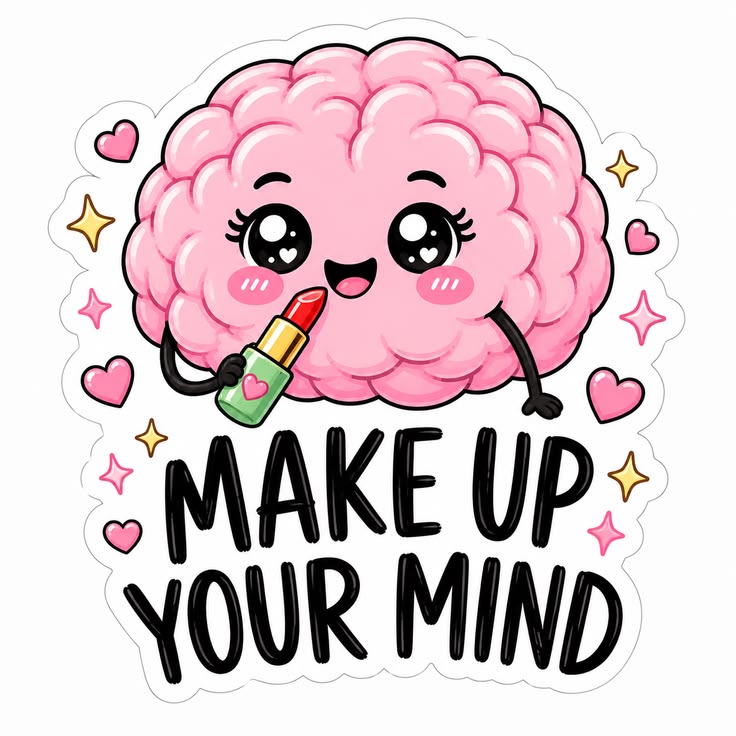
Humor has always played an important role in human communication, helping people express emotions, build relationships, and make everyday experiences more enjoyable. However, the way people create and share humor has changed significantly with the growth of digital technology. Social media platforms, messaging applications, and online communities have introduced new opportunities for creative expression. Among the many forms of humor gaining attention, Puns have become particularly popular because they combine clever language, unexpected meanings, and lighthearted entertainment. Their simplicity makes them easy to understand, remember, and share, allowing people from different backgrounds to enjoy playful communication.
In today’s fast-moving digital environment, audiences often prefer entertaining content that delivers an immediate emotional response. A short humorous caption or clever phrase can attract attention more quickly than a lengthy explanation. Wordplay fits naturally into this communication style because it transforms ordinary language into something surprising and amusing. Whether someone is sharing a photograph, writing a birthday greeting, or commenting on a friend’s post, creative expressions can make interactions more memorable. This growing interest demonstrates how language continues to evolve alongside technology and changing social habits.
The popularity of humorous wordplay also extends beyond online platforms. People increasingly use clever expressions in workplace conversations, family discussions, educational activities, advertising campaigns, and everyday social interactions. These playful phrases can reduce tension, encourage creativity, and create a friendly atmosphere. Understanding why this form of humor appeals to modern audiences reveals important connections between language, psychology, digital communication, and contemporary culture.
Understanding the Meaning and Appeal of Wordplay
Wordplay is a form of humor that uses the different meanings, sounds, or interpretations of words to create amusing expressions. It often depends on linguistic similarities that lead audiences toward an unexpected conclusion. For example, the sentence “I used to be a baker, but I couldn’t make enough dough” plays with the meaning of dough as both a baking ingredient and an informal expression for money. The humor comes from recognizing the connection between two meanings that would not normally appear together. This combination of familiarity and surprise makes wordplay entertaining without requiring complicated storytelling.
Puns are especially appealing because they encourage audiences to participate mentally in the joke. Instead of simply receiving a humorous statement, readers must recognize the linguistic connection that creates the intended meaning. This brief moment of discovery can produce satisfaction and amusement. The effectiveness of such humor often depends on timing, cultural understanding, and the audience’s familiarity with the language. Although some expressions are intentionally silly, their playful nature makes them suitable for casual conversations and lighthearted social interactions.
Why Social Media Has Increased the Popularity of Language-Based Humor
Social media has transformed how people discover, create, and distribute entertaining content. Platforms such as Instagram, Facebook, TikTok, and Threads encourage users to communicate through short captions, comments, videos, and visual storytelling. In these environments, concise humor has a natural advantage because audiences frequently scroll through large amounts of information within limited periods. A clever phrase can communicate personality and entertainment almost immediately, making it suitable for the rapid consumption patterns associated with digital platforms.
Puns fit particularly well into social media culture because they can accompany photographs, memes, short videos, and everyday updates. A picture of a cup of coffee might feature the caption “Espresso yourself,” while a photograph from a beach vacation could include “Seas the day.” These expressions are easy to understand and add personality without requiring lengthy explanations. Their flexibility allows users to adapt familiar phrases to different situations, helping humorous content feel relevant to particular experiences. Although wordplay alone does not guarantee high engagement, it can make posts more distinctive and encourage audiences to respond or share them.
The Influence of Memes and Short-Form Videos
Memes have become a recognizable feature of internet culture because they combine familiar visual formats with humorous or relatable messages. Language-based jokes frequently appear in these formats, especially when a simple phrase creates an unexpected connection with an image. A photograph of a sleeping cat accompanied by “You’ve got to be kitten me” illustrates how visual context can strengthen a linguistic joke. The combination allows audiences to understand the intended humor quickly, making the content suitable for reposting and adaptation.
Short-form videos have expanded these possibilities by introducing voice, timing, facial expressions, and visual effects. Creators can build an entire humorous moment around a single phrase, using dramatic pauses or unexpected reactions to strengthen its impact. As digital audiences continue to consume short-form entertainment, adaptable language-based humor remains a useful creative technique. Its popularity also reflects the participatory nature of online culture, where audiences regularly reinterpret existing jokes and develop new variations.
The Psychological Reasons People Enjoy Clever Humor
Humor is closely connected to cognitive processing, emotional responses, and social interaction. When people encounter an unexpected interpretation of a familiar word, their minds attempt to reconcile the different meanings. This process can create amusement because the final interpretation differs from the original expectation. Researchers studying humor have explored how surprise, incongruity, and resolution contribute to entertaining experiences. Wordplay provides a straightforward example of these mechanisms because the unexpected connection is usually contained within a short sentence.
Beyond intellectual enjoyment, humorous language can support positive social experiences. Sharing a joke may help people establish common ground, express friendliness, or reduce the seriousness of an interaction. In suitable situations, Puns can make conversations feel more approachable because they introduce humor without necessarily targeting another person. However, audience preferences vary considerably. Some people enjoy clever linguistic surprises, while others find familiar wordplay predictable. The success of a joke therefore depends on context, delivery, relationships, and individual taste.
How Humor Strengthens Emotional Connections
Shared laughter can contribute to stronger interpersonal relationships by creating enjoyable moments between individuals. Friends often develop recurring jokes that reflect common experiences, while families may use playful language during meals, celebrations, or everyday discussions. These interactions create opportunities for emotional connection because participants recognize and appreciate a shared humorous reference. Even a simple joke can become meaningful when it is associated with a memorable event or relationship.
Digital communication offers similar opportunities, although it lacks some of the facial expressions and vocal cues present in face-to-face conversations. A humorous message can soften an otherwise ordinary exchange and communicate warmth or familiarity. Emojis, images, and conversational context may help clarify the intended tone. Nevertheless, humor should be used thoughtfully, especially when discussing sensitive subjects or communicating with unfamiliar audiences. Understanding the recipient’s preferences remains important for ensuring that playful language is interpreted positively.
The Growing Role of Wordplay in Everyday Conversations
Humorous expressions are not limited to digital entertainment. They appear regularly in casual conversations, workplace discussions, classroom activities, and social gatherings. People often use playful phrases to introduce a topic, respond to an unexpected situation, or make ordinary experiences more enjoyable. For example, someone preparing dinner might joke, “Lettuce celebrate,” while a friend discussing a successful project might say, “That was a bright idea.” These simple expressions demonstrate how language can become entertaining through creative interpretation.
Puns can also serve as conversational icebreakers because they offer a low-pressure way to introduce humor. During informal meetings or social events, a suitable joke may help participants feel more comfortable and encourage conversation. However, humor should complement communication rather than distract from its purpose. Excessive wordplay can make serious discussions less effective, particularly when clarity and professionalism are essential. The most successful approach involves choosing expressions that suit the situation and the people involved.
How Brands Use Creative Language in Digital Marketing
Modern marketing depends heavily on capturing attention and communicating memorable messages. Businesses frequently use humor in advertisements, social media campaigns, product descriptions, and promotional materials because entertaining content can distinguish a brand from competitors. Creative wordplay offers a practical technique for developing short messages that audiences can recognize and remember. A bakery might advertise a seasonal promotion with “We’re on a roll,” while a gardening business could introduce its services through “Helping your ideas grow.”
Puns can make marketing communication feel friendly and approachable, especially for brands that want to establish a casual personality. They are commonly suitable for food businesses, entertainment companies, lifestyle products, and community-focused organizations. However, their effectiveness depends on whether the joke supports the brand’s message. An unclear or overly complicated expression may confuse potential customers rather than attract them. Businesses should therefore prioritize relevance, readability, and authenticity instead of using humorous language simply because it appears fashionable.
Why Memorable Captions Matter for Businesses
Social media captions help businesses communicate beyond the visual content of a post. A well-written caption can explain a product, introduce a promotional offer, express brand personality, or encourage audience interaction. Humorous captions are particularly useful when they relate directly to the accompanying image or customer experience. For instance, a coffee shop introducing a new beverage might use “Love at first sip” to create a playful connection between its product and the familiar phrase “love at first sight.”
The following table illustrates how wordplay can support different communication goals.
| Industry or Setting | Example of Wordplay | Communication Purpose |
|---|---|---|
| Coffee shop | Espresso yourself | Encourage a friendly brand personality |
| Bakery | You’re the icing on the cake | Express appreciation |
| Fitness center | Weights and see | Create a playful fitness message |
| Travel business | Seas the day | Promote vacation experiences |
| Gardening service | Aloe you vera much | Add warmth to customer communication |
These examples show how familiar language can be adapted to different industries without requiring elaborate advertising concepts. The most effective expressions maintain a clear relationship between the message and the intended audience.
The Influence of Wordplay on Creativity and Language Development
Creative language encourages individuals to explore vocabulary, meanings, pronunciation, and sentence structure. Developing a humorous expression requires recognizing connections between words that may initially seem unrelated. This process involves flexible thinking and an awareness of linguistic patterns. For children and language learners, simple wordplay can introduce the idea that words sometimes carry multiple meanings or resemble other words in pronunciation. Such activities can make language exploration more enjoyable when supported by clear explanations.
Educational environments can use Puns to introduce vocabulary lessons, reading activities, and creative writing exercises. Teachers might ask students to identify the two meanings within a sentence or develop their own examples using familiar objects. These exercises encourage attention to language while creating opportunities for discussion and experimentation. However, educators should consider learners’ language proficiency because jokes involving unfamiliar vocabulary or cultural references may be difficult to understand. Effective teaching combines humor with explanations that clarify the underlying linguistic concepts.
Wordplay as a Tool for Creative Thinking
Creativity often involves connecting familiar ideas in unfamiliar ways. Language-based humor follows a similar process by combining different interpretations into a single expression. Writers, content creators, and students can practice this technique by examining everyday objects, identifying words with multiple meanings, and exploring related expressions. A musician might develop a joke around the word “note,” while someone interested in cooking could experiment with expressions involving “thyme” or “dough.”
This approach can also support brainstorming because it encourages people to move beyond literal interpretations. Not every attempt produces an effective joke, but the process itself offers opportunities to experiment with language. The ability to consider alternative meanings is useful in storytelling, advertising, creative writing, and informal communication. Rather than treating humor as a separate skill, individuals can recognize it as one way of practicing flexible and imaginative thinking.
Popular Types of Wordplay in Modern Communication
Different forms of linguistic humor create amusement through different techniques. Some depend on words that sound alike, while others rely on multiple meanings or unexpected interpretations. Understanding these differences helps explain why certain expressions work particularly well in captions, jokes, advertisements, and everyday conversations.
Common approaches include:
-
Homophonic wordplay: Uses similar-sounding words, such as “I scream” and “ice cream.”
-
Double meanings: Uses a word with more than one interpretation, such as “interest” in financial and personal contexts.
-
Visual wordplay: Combines images and text to create an amusing connection.
-
Contextual humor: Adapts a familiar expression to a particular situation, event, or topic.
Each approach offers different creative possibilities. A short caption may benefit from a simple sound-based joke, while a longer conversation can accommodate more elaborate interpretations. Selecting the right approach helps ensure that the intended humor remains understandable.
How Different Generations Engage With Humorous Language
Humor changes as communication habits and cultural references evolve. Younger audiences frequently encounter wordplay through memes, short videos, online comments, and digital trends. Their expressions may incorporate slang, internet terminology, popular entertainment, or references to current events. Older audiences may be more familiar with traditional jokes, newspaper headlines, advertising slogans, and conversational humor. Despite these differences, the basic enjoyment of unexpected language connections can cross generational boundaries.
Puns remain adaptable because they do not belong exclusively to one age group or communication platform. A familiar joke can be reused in a family conversation, transformed into a digital meme, or incorporated into a business advertisement. However, not every expression translates equally well across audiences. Cultural references, language differences, and changing slang can affect whether a joke is understood. Content creators who want to reach broad audiences often benefit from using familiar vocabulary and clear context rather than relying entirely on niche internet references.
The Role of Artificial Intelligence in Modern Humor Creation
Artificial intelligence has introduced additional possibilities for creating and experimenting with humorous language. Generative AI tools can suggest captions, brainstorm word combinations, develop alternative phrases, and help writers explore different styles of humor. These capabilities are useful for individuals who need creative ideas for social media posts, greeting cards, marketing campaigns, or entertainment content. Instead of beginning with a completely blank page, creators can review several suggestions and refine those that suit their intended message.
However, automated humor does not always capture the cultural awareness, emotional sensitivity, or timing required for an effective joke. AI-generated expressions may sound repetitive, depend on familiar formulas, or overlook subtle differences in meaning. Human judgment remains important when deciding whether a phrase feels original, appropriate, and genuinely entertaining. The most practical approach is to treat AI as a brainstorming assistant while maintaining personal creativity and editorial control over the final message.
Creating Engaging and Original Wordplay for Social Media
Successful humorous content usually begins with a clear understanding of the intended audience and communication purpose. A joke written for close friends may differ considerably from one created for a professional business account. The language should also relate naturally to the accompanying photograph, video, or discussion. Random humor may attract brief attention, but relevant expressions are more likely to contribute meaningfully to the overall message.
A practical creative process includes:
-
Identify the main subject, emotion, or message before developing the joke.
-
Explore words with multiple meanings or similar pronunciations.
-
Keep the final expression concise and easy to understand.
-
Review the tone to ensure that the humor suits the audience.
-
Avoid overusing familiar jokes when a more original expression is possible.
Writers can improve their results through experimentation and revision. Reading a sentence aloud may reveal whether its sound-based connection works, while asking another person to interpret the joke can help identify confusing wording. Strong wordplay often feels effortless to the reader, even when considerable thought has gone into its construction.
Challenges and Limitations of Using Humor Online
Although language-based humor offers many advantages, it is not universally effective. Different audiences interpret jokes through their own cultural experiences, language knowledge, and personal preferences. An expression that appears clever to one person may seem confusing or uninteresting to another. This challenge becomes particularly important on global platforms where content reaches people who speak different languages. Some jokes depend so heavily on pronunciation or local expressions that they lose their meaning when translated.
Another challenge involves repetition. Social media trends can encourage large numbers of users to adopt the same captions and familiar phrases, reducing their novelty over time. Content creators may struggle to distinguish their work when popular expressions appear repeatedly across different accounts. Excessive reliance on humor can also weaken important messages, especially when audiences expect detailed information or serious communication. Maintaining a balance between entertainment, clarity, and originality helps prevent these problems.
The Future of Language-Based Humor in Digital Culture
Digital communication will continue to influence how people create and experience humor. New content formats, evolving social platforms, and AI-assisted creative tools are likely to provide additional opportunities for experimenting with language. Interactive videos, personalized digital experiences, and multimedia storytelling may allow creators to combine visual elements, sound effects, and clever expressions in increasingly imaginative ways. Nevertheless, the success of these approaches will still depend on whether audiences understand and appreciate the intended connection.
The continued popularity of Puns reflects a broader interest in accessible creativity. People enjoy finding unexpected meanings in familiar expressions because these discoveries can make ordinary communication more entertaining. As online communities develop new slang and cultural references, humorous language will adapt accordingly. Traditional expressions may remain recognizable, while emerging forms of wordplay incorporate technological terminology and contemporary experiences. This combination of familiarity and innovation suggests that clever linguistic humor will remain a meaningful part of communication.
Frequently Asked Questions
1. Why are puns so popular on social media?
They are popular because they deliver humor in a short, memorable format that suits captions, memes, comments, and videos. Their combination of familiar language and unexpected meanings makes them easy to adapt to different situations. They can also add personality to posts and encourage lighthearted interaction, although their effectiveness depends on the audience and context.
2. How does wordplay improve everyday communication?
Wordplay can make ordinary conversations more enjoyable by introducing surprise, creativity, and humor. In appropriate situations, it may help establish friendly relationships, reduce conversational tension, and create memorable shared experiences. Its effectiveness depends on using expressions that match the listener’s preferences and the seriousness of the discussion.
3. Can businesses benefit from using humorous expressions?
Businesses can use humorous expressions to communicate a friendly brand personality, develop memorable captions, and make promotional messages more engaging. Wordplay is particularly useful when it relates naturally to a product or service. However, companies should avoid jokes that obscure important information or conflict with customer expectations.
4. Are language-based jokes useful for children’s learning?
They can support language activities by encouraging children to recognize different word meanings, sounds, and patterns. Teachers and parents can use simple jokes to introduce vocabulary and creative thinking. Explanations are important because younger learners may not immediately understand the linguistic connection that creates the humor.
5. What makes a clever expression effective?
An effective expression usually combines clarity, relevance, timing, and an unexpected linguistic connection. The audience should be able to recognize the intended meaning without excessive explanation. Familiar vocabulary and appropriate context can make a joke more accessible, while originality helps prevent it from feeling repetitive.
6. Will humorous wordplay remain relevant in the future?
Humorous wordplay is likely to remain relevant because it is based on fundamental features of language and human creativity. Although social media trends and communication technologies will continue to change, people will still find opportunities to create amusing connections between words, sounds, and meanings. New digital formats may expand how these expressions are presented and shared.
Conclusion
The growing popularity of Puns in social media and everyday life demonstrates how simple linguistic creativity can influence modern communication. From entertaining captions and relatable memes to marketing campaigns and classroom activities, humorous wordplay offers a flexible way to make language more memorable and enjoyable. Its appeal comes from combining familiar expressions with unexpected meanings, creating moments of amusement that can strengthen social interactions and encourage creative thinking.
As digital culture continues to evolve, the ways people create and share humor will undoubtedly change. Artificial intelligence, emerging social platforms, and new multimedia formats may introduce additional possibilities, but effective humor will still depend on relevance, originality, and an understanding of the audience. By using clever language thoughtfully, individuals and businesses can make communication more engaging without sacrificing clarity. Ultimately, the lasting appeal of wordplay shows that even small changes in language can create meaningful moments of connection, creativity, and entertainment.