

Introduction
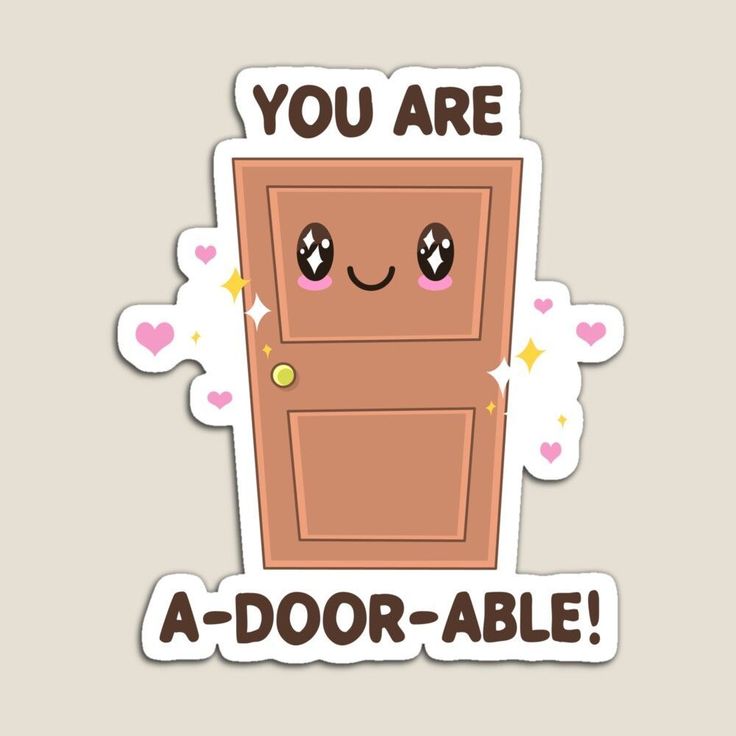
Language is one of the most powerful tools humans possess, allowing people to communicate thoughts, express emotions, share experiences, and build meaningful relationships. However, language is much more than a system of words and grammatical rules. It is also a creative medium that encourages imagination, experimentation, and humor. Throughout history, people have discovered entertaining ways to manipulate words, create unexpected meanings, and transform ordinary conversations into memorable experiences. Among the most fascinating examples of linguistic creativity are Puns, which demonstrate how a simple change in interpretation can produce humor and intellectual enjoyment.
The connection between language and creativity becomes particularly interesting when examining how individuals recognize multiple meanings within familiar expressions. A single word may carry several interpretations, while different words can sound remarkably similar despite having unrelated meanings. Creative speakers and writers use these linguistic characteristics to surprise audiences and encourage them to think beyond conventional definitions. This playful interaction between meaning and imagination makes wordplay an important part of communication, literature, entertainment, and everyday social interactions.
In today’s digitally connected society, creative language has become increasingly visible across social media platforms, advertising campaigns, educational materials, and online communities. Short captions, humorous comments, memorable slogans, and entertaining conversations frequently depend on clever expressions that attract attention. Understanding the relationship between linguistic structure and creative thinking helps explain why wordplay remains relevant across generations and cultures.
Understanding the Relationship Between Language and Creativity
Language and creativity are closely connected because communication requires more than simply selecting words from a dictionary. Every meaningful conversation involves choices about vocabulary, tone, sentence structure, and interpretation. Creative language emerges when individuals move beyond predictable expressions and discover unusual ways to communicate familiar ideas. This process allows speakers to transform ordinary information into engaging stories, humorous observations, or memorable messages. Even simple conversations can become more interesting when someone introduces an unexpected comparison or a playful interpretation of a common phrase.
Creativity also depends on the flexibility of human thinking. People constantly connect different concepts, recognize patterns, and reinterpret information based on context. Language provides the foundation for these mental activities because words represent ideas that can be combined in countless ways. A creative expression may connect two unrelated subjects through a shared sound or meaning, encouraging listeners to recognize the relationship. This ability to establish unexpected connections is central to both artistic expression and everyday problem-solving.
How Words Create Multiple Layers of Meaning
Words rarely exist in complete isolation from their surroundings. Their meanings often depend on the sentence, situation, cultural background, and intentions of the speaker. For example, the word “bright” may describe strong light, an intelligent person, or a promising future. Similarly, the word “current” can refer to flowing electricity, moving water, or something happening in the present. These overlapping interpretations provide opportunities for creative expression because a familiar word can suddenly acquire an unexpected meaning.
The human brain processes these possibilities remarkably quickly. When people hear an ambiguous expression, they initially interpret it according to the most likely context. If additional information reveals another meaning, their understanding changes. This shift can create surprise, amusement, or appreciation for the speaker’s creativity. Such linguistic flexibility explains why wordplay can be intellectually stimulating while remaining entertaining.
What Makes Puns a Unique Form of Wordplay?
Wordplay includes many techniques, such as rhyming, alliteration, riddles, metaphors, and humorous comparisons. However, Puns occupy a distinctive position because they rely on ambiguity, similar sounds, or multiple meanings to create an unexpected interpretation. Instead of presenting humor through physical actions or exaggerated situations, this form of expression uses the structure of language itself. The audience must recognize the relationship between two interpretations before fully appreciating the joke.
Consider the sentence, “The bicycle couldn’t stand on its own because it was two-tired.” The expression sounds like “too tired,” but it also refers to a bicycle having two tires. The humor emerges from the connection between the familiar phrase and the physical characteristics of the bicycle. This example demonstrates how ordinary vocabulary can produce an entertaining result when words are interpreted creatively.
Another example is, “I used to be a baker, but I couldn’t make enough dough.” Here, “dough” refers both to a baking ingredient and, informally, to money. The sentence initially suggests a professional experience before introducing a second interpretation. Such expressions encourage audiences to reconsider the relationship between words and meanings.
The Role of Surprise and Recognition in Humor
Surprise plays an important role in linguistic humor because people naturally develop expectations while listening or reading. When a sentence begins, the audience anticipates a particular meaning based on familiar vocabulary and context. A clever ending can interrupt that expectation and reveal an alternative interpretation. The resulting mental adjustment often creates amusement because the listener recognizes that both meanings fit the expression.
Recognition is equally important. A joke based on wordplay may fail if the audience does not understand the vocabulary, pronunciation, or cultural reference involved. Effective humor therefore depends on finding a balance between originality and accessibility. The expression should be surprising enough to attract attention but familiar enough to be understood without extensive explanation. This balance is one reason simple wordplay can be more effective than complicated linguistic constructions.
The Linguistic Foundations of Creative Wordplay
Understanding linguistic structure provides valuable insight into how humorous expressions function. Language consists of interconnected systems involving sounds, vocabulary, grammar, and meaning. Each system contributes different possibilities for creative interpretation. Phonetics examines speech sounds, semantics explores meaning, and pragmatics considers how context influences communication. Together, these areas help explain why certain expressions produce humor while others remain ordinary statements.
For example, two words may sound identical but have different spellings and meanings. Other expressions may use one word that has several related or unrelated definitions. Creative writers can also manipulate sentence structure to produce temporary confusion before revealing the intended interpretation. These techniques demonstrate that linguistic humor is not random. It often depends on recognizable patterns within the language.
Common Linguistic Techniques Used in Wordplay
The following table explains several techniques that support creative verbal humor and illustrates how they function in everyday communication.
| Linguistic technique | Explanation | Example |
|---|---|---|
| Homophones | Different words with identical or similar pronunciation | “A knight had a good night.” |
| Multiple meanings | One word carries more than one interpretation | “The fisherman was hooked on his hobby.” |
| Sound similarity | Similar-sounding expressions create humorous connections | “The bicycle was two-tired.” |
| Literal interpretation | A familiar phrase is understood in an unexpectedly direct way | “The calendar’s days are numbered.” |
| Contextual ambiguity | A sentence allows different interpretations depending on context | “The photographer was developing a new outlook.” |
These techniques reveal how language can support several interpretations without losing its basic communicative function. Although some examples are more immediately humorous than others, each demonstrates how creative expression can emerge from familiar vocabulary.
How Puns Encourage Creative Thinking
Creative thinking involves identifying connections that may not be obvious at first. When people construct Puns, they must consider alternative meanings, compare sounds, recognize associations, and evaluate whether the resulting expression makes sense. This process requires mental flexibility because the creator must temporarily move beyond the most common interpretation of a word. Rather than following a predictable linguistic pattern, the mind explores several possible relationships before selecting an effective combination.
This type of verbal experimentation can support broader creative habits. For example, someone attempting to develop an amusing expression about books might explore words such as “novel,” “chapter,” “cover,” and “story.” Each word offers several possible associations. The word “novel” can describe a literary work or something new and unusual, creating opportunities for humorous connections. Although wordplay alone does not guarantee improved problem-solving ability, practicing it provides an accessible way to experiment with alternative perspectives and original ideas.
The Connection Between Humor and Imagination
Imagination allows individuals to explore situations beyond immediate reality. Humor frequently depends on this ability because an amusing statement may describe an unlikely situation, combine unrelated concepts, or reinterpret a familiar experience. Language-based humor is particularly imaginative because it transforms ordinary words into unexpected relationships without requiring elaborate stories or visual effects.
Consider the statement, “The math teacher had too many problems.” In one interpretation, the teacher faces personal difficulties. In another, the problems are mathematical exercises. The sentence becomes amusing because both interpretations are reasonable within different contexts. Creating similar expressions requires imagination, but appreciating them also involves creative participation from the audience.
The Importance of Wordplay in Everyday Communication
Everyday communication is not limited to exchanging practical information. People also use conversation to express personality, establish relationships, reduce tension, and create shared experiences. Humor contributes to these social functions by making interactions more enjoyable and approachable. A playful comment during an ordinary discussion can encourage laughter, create a relaxed atmosphere, or make a familiar subject feel more interesting.
However, the effectiveness of humorous language depends on context. A lighthearted expression may work well among friends but feel inappropriate during a serious discussion. Cultural differences, individual preferences, and professional expectations also influence how people respond. Successful communicators understand when creativity can strengthen a message and when clarity or sensitivity should take priority.
Building Social Connections Through Shared Humor
Shared humor can create a sense of connection because participants recognize and enjoy the same unexpected interpretation. When someone understands a playful expression, the moment involves both linguistic recognition and social participation. This experience can encourage conversation and make interactions feel more personal.
Puns are especially useful in casual exchanges because they often require only a short sentence. A humorous remark about food, weather, work, or hobbies can introduce personality without interrupting the conversation for long. For example, someone discussing gardening might say, “I’m rooting for your plants.” The expression combines encouragement with a reference to plant roots, creating a friendly connection between the topic and the speaker’s message.
The Growing Influence of Creative Language in Digital Communication
Digital communication has changed how people create, distribute, and respond to humorous language. Social media platforms encourage short, attention-grabbing messages that can be understood quickly. Captions, comments, memes, and promotional posts frequently use creative wording to distinguish themselves from ordinary content. Because online audiences encounter large amounts of information, memorable expressions can help a message stand out.
In 2026, digital content creation continues to involve a combination of human creativity, automated writing tools, and rapidly changing audience preferences. Artificial intelligence can generate alternative phrases, identify linguistic patterns, and suggest humorous combinations. However, evaluating whether a joke feels natural, appropriate, and genuinely entertaining still requires attention to context and audience expectations. A technically correct play on words may not succeed if it feels forced or disconnected from the surrounding message.
Why Short Wordplay Works Well on Social Media
Short expressions are particularly compatible with digital platforms because users often scan content before deciding whether to engage. A concise humorous caption can communicate personality and meaning within seconds. Wordplay also offers opportunities to connect written text with photographs, illustrations, or everyday experiences.
For example, a coffee shop might use the caption, “Espresso yourself,” to encourage customers to express their individuality while referencing a popular coffee drink. The phrase is memorable because it combines a familiar expression with a relevant product. Similar techniques appear in food content, travel posts, educational accounts, and lifestyle discussions.
Nevertheless, effective online humor depends on more than clever wording. Content creators must consider readability, originality, audience familiarity, and the possibility of misunderstanding. A simple expression that fits the topic naturally is often more engaging than an elaborate joke inserted only to attract attention.
The Role of Puns in Education and Language Learning
Educational environments can benefit from creative language because playful examples make abstract concepts easier to explore. Teachers frequently use riddles, rhymes, and humorous sentences to introduce vocabulary, pronunciation, and multiple meanings. Puns can support these activities by encouraging learners to compare words, recognize ambiguity, and examine how context changes interpretation.
For students learning English as an additional language, wordplay can also reveal the relationship between pronunciation and spelling. English contains numerous homophones and words with multiple meanings, which can initially be confusing. Humorous examples provide opportunities to discuss these differences in an engaging setting. However, learners may require explanations of cultural references or unfamiliar expressions before they can appreciate the intended humor.
Practical Ways to Encourage Linguistic Creativity
Teachers, writers, and language enthusiasts can develop creative expression through simple activities that encourage experimentation.
-
Explore words with multiple meanings and create sentences that use both interpretations.
-
Compare similar-sounding words to discover opportunities for humorous connections.
-
Rewrite familiar expressions by introducing an unexpected but logical interpretation.
-
Practice creating short captions or jokes based on everyday objects and experiences.
These activities encourage curiosity about language while providing opportunities to experiment without requiring advanced writing experience. The emphasis should remain on exploration rather than producing a perfect joke immediately.
How Creative Wordplay Supports Writing and Storytelling
Creative language contributes to storytelling by making characters, dialogue, and descriptions more distinctive. Writers use humorous expressions to reveal personality, establish atmosphere, and introduce moments of relief between serious events. A character who frequently makes clever observations may appear playful, confident, or intellectually curious. Another character might misunderstand expressions literally, creating entertaining situations through contrasting interpretations.
Wordplay can also strengthen narrative themes. A story involving music might incorporate expressions related to rhythm, harmony, and notes, while a mystery could use language associated with clues, secrets, and hidden meanings. When these connections emerge naturally, they can add depth without distracting readers from the central narrative.
Balancing Humor With Clarity
Although creative expressions can improve writing, excessive wordplay may weaken communication. Readers generally expect a clear relationship between the message and the language used to deliver it. If every sentence contains a joke, the writing may become difficult to follow or appear more concerned with cleverness than meaning.
Effective writers therefore use humor selectively. They consider the emotional tone of the subject, the intended audience, and the purpose of each expression. In educational writing, clarity should remain the priority. In entertainment, greater experimentation may be appropriate. The strongest results often come from introducing a playful phrase at a moment when it naturally complements the surrounding content.
Cultural Differences and the Challenge of Translation
Language-based humor does not always transfer easily between cultures. Words that sound similar in one language may have completely different pronunciation patterns in another. Likewise, an expression with multiple meanings in English may have only one direct equivalent elsewhere. These differences make translation particularly challenging because preserving the literal meaning does not necessarily preserve the humor.
For example, an English joke involving the words “sole” and “soul” depends on their identical pronunciation. Translating the sentence into another language may eliminate that relationship. A translator may need to create an entirely different expression that produces a similar humorous effect while remaining relevant to the original context.
Cultural familiarity also influences interpretation. References to particular foods, professions, customs, or idioms may be immediately recognizable to one audience but confusing to another. Understanding these differences encourages more thoughtful communication and highlights the remarkable diversity of human linguistic creativity.
The Psychological Appeal of Puns
The enjoyment of Puns is connected to how the brain processes expectations, ambiguity, and surprise. When listeners encounter a sentence with an unexpected interpretation, they must reconsider their initial understanding. Recognizing the alternative meaning can produce a satisfying moment of discovery, particularly when the relationship between the interpretations becomes clear.
Humor researchers often examine this experience through theories involving incongruity and resolution. In simple terms, a joke introduces something that does not initially fit expectations, and the audience finds an interpretation that makes the unusual connection understandable. Not every joke requires complete resolution, but the relationship between surprise and recognition helps explain the appeal of many language-based expressions.
Individual preferences also matter. Some people enjoy elaborate verbal humor, while others prefer visual comedy, storytelling, or observational jokes. Familiarity with vocabulary, educational experiences, and cultural background can influence appreciation. Consequently, no single style of humor appeals equally to every audience.
The Future of Language-Based Creativity
As communication technologies evolve, creative language is likely to remain an important part of human expression. Digital platforms provide new opportunities for experimenting with words, while artificial intelligence tools make it easier to generate and compare alternative phrases. Interactive learning applications, online writing communities, and multimedia storytelling can also introduce wordplay to wider audiences.
However, technological convenience does not eliminate the importance of human judgment. Effective humor depends on understanding emotions, relationships, cultural expectations, and the subtle differences between cleverness and confusion. Automated systems may identify patterns and suggest combinations, but meaningful communication requires selecting expressions that fit a particular situation.
The future of linguistic creativity will likely involve collaboration between traditional language skills and emerging digital tools. Writers, educators, marketers, and everyday communicators can use technology to explore possibilities while relying on their own understanding to shape the final message. This combination can encourage experimentation without sacrificing authenticity.
Frequently Asked Questions
1. What is the relationship between language and creativity?
Language provides the words, structures, and meanings that people use to communicate, while creativity allows them to combine these elements in original ways. Together, they support storytelling, humor, poetry, persuasive writing, and imaginative conversation. Creative language often involves discovering unusual connections between familiar ideas and expressing them in memorable forms.
2. Why are Puns considered a creative form of humor?
Puns are considered creative because they use multiple meanings, similar sounds, or unexpected interpretations to produce amusement. Their effectiveness depends on recognizing relationships that are not immediately obvious. Creating them involves linguistic awareness and imaginative thinking, while understanding them requires the audience to reconsider the meaning of familiar words.
3. Can wordplay help improve vocabulary and language skills?
Wordplay can provide an enjoyable way to explore vocabulary, pronunciation, spelling, and context. When learners compare words with different meanings or similar sounds, they become more aware of how language functions. These activities can complement conventional language instruction, although they should not replace structured reading, writing, and speaking practice.
4. Why do some humorous expressions lose their meaning in translation?
Many humorous expressions depend on specific pronunciation patterns, cultural references, or multiple meanings that do not exist in another language. Direct translation may preserve the basic words while removing the connection responsible for the joke. Translators sometimes create alternative expressions to reproduce a similar humorous effect.
5. How can beginners become better at creating wordplay?
Beginners can start by examining familiar words with several meanings, collecting interesting expressions, and experimenting with similar sounds. Reading humorous writing and observing everyday conversations can provide inspiration. Regular practice helps develop awareness of linguistic patterns, while feedback from others can reveal whether an expression is clear and entertaining.
6. How is artificial intelligence influencing creative language?
Artificial intelligence can assist with brainstorming, suggesting alternative wording, identifying patterns, and generating humorous expressions. These capabilities can make experimentation faster and more accessible. However, human evaluation remains important because effective humor depends on audience understanding, cultural sensitivity, originality, and the natural flow of communication.
Conclusion
The relationship between language, creativity, and humor reveals how ordinary words can become powerful tools for imagination and connection. Language provides the structure necessary for communication, while creativity allows individuals to explore alternative meanings, establish unexpected relationships, and express familiar ideas in distinctive ways. From everyday conversations to literature, education, advertising, and digital communication, wordplay demonstrates the flexibility and richness of human expression.
Understanding Puns offers a particularly interesting perspective on this relationship because they combine linguistic knowledge with imagination, surprise, and interpretation. Their appeal extends beyond simple entertainment, encouraging people to notice subtle differences in meaning and appreciate the creative possibilities hidden within familiar vocabulary.
As communication continues to evolve through digital platforms and emerging technologies, thoughtful language use will remain essential. By exploring word meanings, experimenting with expression, and considering the needs of different audiences, individuals can make their communication more engaging, memorable, and meaningful. Ultimately, the ability to play creatively with language reflects one of the most remarkable characteristics of human communication: the capacity to transform simple words into shared understanding, imagination, and enjoyment.