

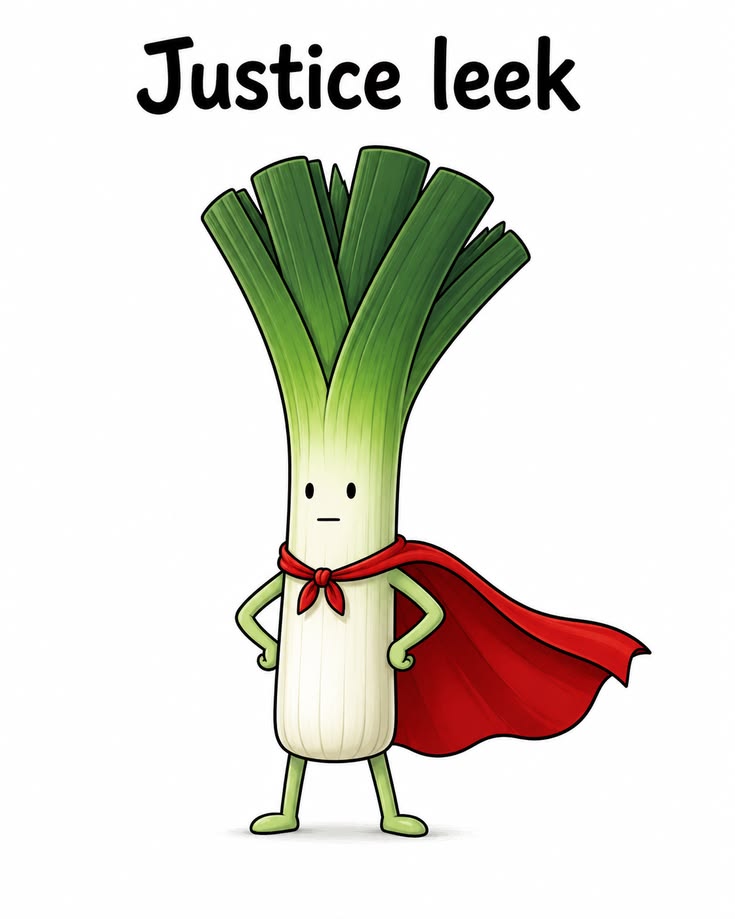
Introduction
Humor is one of the most fascinating parts of human communication. It brings people together, makes conversations enjoyable, and transforms ordinary situations into memorable experiences. Among the many forms of humor, Puns have a special ability to turn simple words into unexpected moments of laughter. They rely on clever language, surprising meanings, and playful interpretations that encourage people to think differently about familiar expressions. Whether someone shares a witty joke during a conversation or creates a humorous caption for social media, wordplay adds creativity and entertainment to everyday communication.
The beauty of this humor lies in its simplicity. A single word can carry multiple meanings, and a small change in pronunciation can completely transform a sentence. This unexpected connection between meanings often produces laughter because the listener initially expects one interpretation but discovers another. Unlike complicated jokes that require long explanations, clever wordplay can deliver entertainment within a few seconds. Its accessibility makes it popular among children, adults, writers, comedians, and people who simply enjoy playful conversations.
In today’s digital environment, language-based humor has become even more visible. Social media captions, memes, advertising campaigns, online conversations, and short videos frequently use witty expressions to attract attention. People appreciate humor that is easy to understand, quick to share, and memorable enough to repeat. Understanding how creative wordplay works reveals why even the simplest expressions can produce surprisingly entertaining results.
What Makes Wordplay Such a Unique Form of Humor?
Wordplay is different from many traditional jokes because it depends primarily on the structure and meaning of language. Instead of relying on elaborate storytelling, exaggerated situations, or physical comedy, it creates amusement through unexpected relationships between words. A familiar expression may suddenly reveal a second meaning, making the listener reconsider what was originally understood.
For example, consider the sentence, “I used to be a baker, but I couldn’t make enough dough.” The word “dough” refers both to a baking ingredient and, informally, to money. The sentence initially sounds like a straightforward explanation of someone’s career decision, but the double meaning introduces a humorous twist. The listener recognizes the connection between the two interpretations, creating a satisfying moment of surprise.
Another interesting feature is that wordplay rewards attention. Someone who understands both meanings experiences a small moment of discovery. This mental participation makes the humor engaging because the audience is actively interpreting the message rather than simply receiving a joke. The relationship between language, imagination, and surprise explains why word-based comedy continues to entertain people across different generations.
Understanding the Different Types of Puns
Although many people think of wordplay as a single style of comedy, it actually includes several techniques. Each technique manipulates language differently, creating its own type of humorous effect. Some jokes depend on similar sounds, while others use words with multiple meanings or familiar expressions in unexpected contexts.
Homophonic Wordplay
Homophonic humor uses words that sound alike but have different meanings or spellings. This technique works particularly well in spoken conversations because listeners initially hear one interpretation before recognizing another.
For example, “The bicycle couldn’t stand on its own because it was two-tired.” The expression sounds like “too tired,” but it also refers to the bicycle having two tires. The humor emerges from the relationship between pronunciation and meaning.
This technique is especially useful in short jokes, playful slogans, and humorous conversations. However, its effectiveness can vary depending on pronunciation, regional accents, and the listener’s familiarity with the language.
Homographic Wordplay
Homographic humor uses words that share the same spelling but have different meanings. Sometimes their pronunciation remains identical, while in other cases it changes.
Consider the sentence, “The fisherman was hooked on his new hobby.” The word “hooked” can describe something caught by a fishing hook or someone strongly interested in an activity. Both interpretations relate naturally to the situation.
This technique demonstrates how ordinary vocabulary can become entertaining without introducing unfamiliar words. The humor depends on placing a familiar expression in a context where more than one interpretation makes sense.
Compound and Contextual Wordplay
Compound wordplay combines multiple meanings or playful expressions within a single sentence. Contextual wordplay, meanwhile, changes how an ordinary phrase is understood by placing it in an unusual situation.
For example, “The calendar factory employee was fired for taking a few days off.” The expression “days off” refers to taking leave from work, but it also suggests removing days from calendars.
These techniques can make familiar expressions feel fresh. They are particularly effective when the sentence remains natural enough to sound believable before revealing its humorous interpretation.
Why Do Clever Puns Make People Laugh?
Laughter often begins when something challenges our expectations. During a normal conversation, the brain continuously predicts what words and sentences mean. When an expression suddenly introduces an unexpected interpretation, the brain must quickly adjust its understanding. This shift can create amusement, especially when the alternative meaning is harmless and cleverly connected to the original statement.
Psychologists often discuss humor through ideas such as incongruity and resolution. Incongruity occurs when something does not match what the audience expects. Resolution happens when the listener recognizes the connection that makes the surprising statement understandable. Wordplay frequently combines these processes within a very short sentence.
However, not every joke produces the same reaction. Personal experiences, language familiarity, cultural background, timing, and individual preferences all influence whether someone finds a particular expression funny. Some people enjoy obvious jokes, while others prefer subtle humor that requires additional thought. This variety helps explain why word-based comedy can produce everything from enthusiastic laughter to an affectionate groan.
The Importance of Creativity in Language-Based Humor
Creativity is essential because effective wordplay requires more than finding two similar-sounding words. The writer must establish a meaningful relationship between those words and create a situation where the alternative interpretation feels surprising but understandable.
A creative joke often begins with an ordinary observation. Someone notices that a word has several meanings or sounds similar to another expression. By exploring these connections, the person develops a sentence that presents one meaning while quietly suggesting another.
For instance, “The electrician was shocked by the latest news” works because “shocked” can describe emotional surprise and an electrical experience. The joke becomes more entertaining when the context supports both interpretations.
Creative language also encourages flexible thinking. People begin noticing unusual connections between objects, occupations, emotions, and everyday activities. This ability is valuable beyond comedy because it supports storytelling, brainstorming, writing, and imaginative communication. Humor becomes an enjoyable way to experiment with language while developing a deeper appreciation for its possibilities.
Popular Categories of Funny Wordplay
Different subjects provide different opportunities for humor. Everyday activities, food, animals, professions, and technology are particularly useful because they contain familiar vocabulary with multiple meanings.
The following table illustrates how ordinary subjects can inspire amusing expressions.
| Category | Humorous Example | Why It Works |
|---|---|---|
| Food | “Lettuce celebrate this wonderful day.” | “Lettuce” sounds similar to “let us.” |
| Animals | “That cat has a purr-fect personality.” | Combines “purr” with “perfect.” |
| Education | “The math book had too many problems.” | “Problems” refers to exercises and difficulties. |
| Technology | “The computer needed a byte to eat.” | “Byte” sounds like “bite.” |
| Music | “The musician faced a major setback.” | “Major” has musical and everyday meanings. |
These examples show that humorous language does not require complicated vocabulary. Familiar subjects often provide the strongest foundation because the audience can recognize the intended meanings quickly.
How Puns Improve Everyday Conversations
Humor can make ordinary conversations feel warmer, more relaxed, and more memorable. A playful expression introduced at the right moment can reduce awkwardness, encourage interaction, and create a shared experience between speakers.
For example, someone discussing a difficult gardening project might jokingly say, “I need to grow through this experience.” The sentence combines the idea of personal development with the physical growth of plants. Although simple, the expression can make an otherwise routine conversation more enjoyable.
Wordplay can also function as a friendly icebreaker. In unfamiliar social situations, a lighthearted joke may help establish common ground without requiring personal disclosures or complicated storytelling. Because many word-based jokes are short, they fit naturally into casual conversations.
Timing remains important. Humor works best when it suits the topic, audience, and emotional atmosphere. A joke that feels entertaining during a relaxed gathering may seem inappropriate during a serious discussion. Understanding these differences helps people use language creatively without disrupting meaningful communication.
The Growing Role of Wordplay in Digital Culture
Digital communication has changed how people create, discover, and share humor. Social media platforms encourage short, memorable content, making clever expressions particularly suitable for captions, memes, comments, and brief videos.
A humorous caption can attract attention because it delivers entertainment without requiring a lengthy explanation. For example, a coffee shop might use the expression “Espresso yourself” to combine a familiar beverage with the phrase “express yourself.” The message is playful, relevant, and easy to remember.
Online communities also encourage people to modify existing jokes and create new variations. A familiar expression can inspire countless adaptations based on current interests, popular entertainment, or everyday experiences. This collaborative creativity keeps wordplay relevant even as communication habits evolve.
Artificial intelligence tools have introduced another dimension to digital writing. They can suggest alternative phrases, identify possible double meanings, and help generate joke ideas. However, human judgment remains important for deciding whether a joke feels natural, original, appropriate, and genuinely entertaining. Context and timing often determine whether a clever sentence succeeds.
How to Create Original Puns That Feel Natural
Developing original wordplay begins with curiosity about language. Rather than forcing a joke into every sentence, creative writers pay attention to words that have multiple meanings, unusual sounds, or interesting relationships with other expressions.
A useful starting point is selecting a familiar subject such as cooking, travel, education, or sports. The next step involves identifying vocabulary connected to that subject and exploring alternative meanings.
For example, the word “current” can describe electrical flow, moving water, or something happening in the present. These meanings provide several possibilities for a humorous sentence. A writer could create a joke about an electrician trying to stay current with industry developments.
The following techniques can help develop stronger wordplay:
- Explore double meanings: Look for familiar words that represent different ideas depending on context.
- Experiment with similar sounds: Compare pronunciations to discover unexpected relationships.
- Use recognizable situations: Build jokes around experiences the audience already understands.
- Keep sentences concise: Remove unnecessary explanations that weaken the surprise.
- Test the delivery: Read the joke aloud to determine whether its rhythm and meaning feel natural.
The most effective jokes usually sound effortless, even when considerable thought goes into creating them. A sentence should guide the audience toward the humorous interpretation without explaining the entire connection beforehand.
Why Some Puns Are Funny While Others Feel Awkward
The difference between successful and unsuccessful wordplay often comes down to clarity, relevance, and timing. A joke may contain a technically clever connection between words but still fail if the relationship feels unnatural or requires too much explanation.
Strong wordplay usually establishes a clear context before introducing the surprising interpretation. The audience should understand the sentence quickly enough to appreciate the twist. If the joke depends on obscure vocabulary or an unfamiliar reference, some listeners may miss its intended meaning.
Another important factor is originality. Familiar jokes can still be enjoyable, particularly when delivered with enthusiasm, but predictable expressions may lose their impact through repetition. Introducing a fresh situation or unexpected combination can make a familiar language pattern entertaining again.
Interestingly, deliberately awkward jokes have their own audience. So-called dad jokes frequently rely on obvious wordplay that produces laughter precisely because it is predictable or silly. Their charm often comes from the shared understanding that the joke is intentionally simple.
Therefore, humorous success cannot be measured only by how loudly people laugh. A smile, amused groan, or playful response may indicate that the expression has achieved its purpose.
The Educational Benefits of Puns for Language Learning
Word-based humor can support language learning by encouraging students to explore vocabulary, pronunciation, spelling, and meaning. When learners encounter a joke involving two interpretations, they must understand the relationship between those interpretations to appreciate the humor.
This process can make vocabulary practice more engaging. Instead of memorizing definitions in isolation, students observe how words function within different contexts. A familiar term may suddenly reveal another meaning, helping learners recognize the flexibility of everyday language.
For example, the sentence “The student was outstanding in his field” can refer to academic excellence or someone literally standing outside in a field. Understanding the joke requires recognizing how context changes interpretation.
Teachers can also use playful language to encourage participation in classroom discussions. Students may enjoy inventing their own examples, comparing alternative meanings, and explaining why particular expressions are humorous.
Nevertheless, humor should complement rather than replace structured instruction. Learners who are unfamiliar with certain expressions may need additional explanations before the joke becomes meaningful. With appropriate guidance, language-based comedy can make educational activities more interactive and memorable.
Using Clever Humor in Marketing and Branding
Businesses often seek memorable ways to communicate with customers. Creative wordplay can make advertising messages more approachable by combining product information with entertainment.
A bakery might use a phrase such as “We knead your support,” while a gardening business could promote its services with “Growing better spaces together.” These expressions connect familiar language with the products or services being advertised.
The main advantage is memorability. A clever phrase may encourage people to pay attention, remember a brand, or share a message with others. Humor can also make a business appear friendly and approachable when it aligns with the brand’s identity.
However, successful marketing requires balance. A humorous slogan should not make the product or service difficult to understand. Businesses must consider their audience, industry, and communication goals before using playful language.
For example, a lighthearted expression may suit a café or gift shop but feel inappropriate in a message addressing a serious financial or medical concern. Responsible humor supports the message rather than distracting from its purpose.
How Cultural Differences Influence Wordplay
Language-based humor does not always translate easily between cultures. Many jokes depend on pronunciation, idioms, regional expressions, or cultural references that may not exist in another language.
An English joke involving the words “sea” and “see,” for example, depends on their similar pronunciation. Translating the sentence into another language may eliminate the connection entirely.
Cultural experiences also influence how people interpret humor. Certain expressions are familiar within one community but confusing elsewhere. Even people who speak the same language may respond differently because of regional vocabulary or pronunciation.
This does not mean wordplay is limited to a particular language. Many languages contain rich traditions of humorous expressions, double meanings, and playful storytelling. The specific techniques may differ, but the enjoyment of discovering unexpected connections remains widespread.
Writers addressing international audiences can improve accessibility by choosing familiar vocabulary, avoiding unnecessarily obscure references, and considering how their expressions might be interpreted by different readers.
Why Puns Continue to Entertain Every Generation
Humor changes as societies develop, but playful language remains appealing because it draws on fundamental features of communication. People continually encounter words with multiple meanings, unusual pronunciations, and expressions that can be interpreted in different ways.
Children may enjoy simple sound-based jokes because they are discovering how language works. Teenagers often incorporate wordplay into memes, captions, and casual conversations. Adults may appreciate clever expressions in entertainment, advertising, literature, and everyday interactions.
This broad appeal gives wordplay unusual longevity. A joke based on a familiar phrase can remain entertaining for years, while new vocabulary creates opportunities for fresh expressions.
Modern communication technologies also allow humorous language to spread quickly across communities. A creative caption can inspire variations, discussions, and new jokes within a short period. Although trends may change, the basic pleasure of recognizing an unexpected meaning remains remarkably consistent.
Ultimately, wordplay survives because it makes language feel playful rather than purely functional. It reminds people that communication can express imagination, curiosity, and shared enjoyment alongside information.
Frequently Asked Questions
1. What is the main purpose of wordplay in humor?
The primary purpose is to create amusement by introducing unexpected relationships between words, sounds, or meanings. Wordplay encourages listeners to interpret language from more than one perspective, producing surprise when they recognize the connection. It can also make conversations memorable, improve engagement, and introduce creativity into ordinary communication.
2. Why do people enjoy simple jokes based on words?
People often enjoy simple word-based jokes because they are easy to understand and provide a quick moment of discovery. Recognizing two meanings within the same expression can feel satisfying. These jokes also require little preparation, making them suitable for casual conversations, social media captions, and friendly interactions.
3. Can creative humor help improve vocabulary?
Yes, creative language activities can support vocabulary development by introducing learners to multiple meanings, pronunciation similarities, and unfamiliar expressions. Understanding a humorous sentence often requires examining how words function in different contexts. This exploration can make language learning more engaging, especially when combined with explanations and regular practice.
4. Are word-based jokes appropriate for professional communication?
They can be appropriate when used thoughtfully. A clever expression may make presentations, advertisements, or workplace conversations more engaging. However, professional humor should remain relevant, respectful, and easy to understand. Serious subjects generally require greater sensitivity, and excessive joking can distract from important information.
5. What makes a clever joke memorable?
A memorable joke usually combines a recognizable situation with an unexpected interpretation. Clear wording, natural delivery, good timing, and an original connection between meanings all contribute to its effectiveness. Short expressions are often easier to remember because the audience can quickly understand and repeat them.
6. How can beginners become better at creating funny wordplay?
Beginners can improve by reading humorous writing, exploring words with multiple meanings, listening to conversational jokes, and experimenting with familiar expressions. Regular practice helps develop an awareness of language patterns. Testing jokes with friends or reading them aloud can also reveal whether the intended connection is understandable and entertaining.
Conclusion
Creative wordplay demonstrates how ordinary language can become a source of imagination, connection, and entertainment. By combining unexpected meanings, familiar expressions, and clever interpretations, it transforms simple sentences into moments that encourage people to smile, think, and appreciate the flexibility of communication.
The enduring appeal of Puns comes from their ability to make humor accessible without requiring elaborate stories or complicated situations. They can enrich everyday conversations, support language learning, inspire creative writing, and help businesses communicate memorable messages. Their effectiveness depends on context, clarity, originality, and an understanding of the audience.
As digital communication continues to evolve, playful expressions will remain an important part of how people share ideas and connect with one another. Whether someone is creating a humorous caption, developing a clever slogan, or entertaining friends during a conversation, the underlying principle remains the same: familiar words can reveal surprising possibilities when viewed from a different perspective.
The next time an ordinary expression catches your attention, consider its alternative meanings. A small linguistic discovery might become the beginning of a genuinely entertaining joke.