

Introduction
Humor has always been an important part of human communication, helping people connect, express emotions, and make everyday conversations more enjoyable. Among the many forms of humor, wordplay stands out because it combines creativity, language, and unexpected meanings. A simple sentence can become entertaining when a familiar word is used in an unusual way. This playful approach to communication encourages people to think differently about language while enjoying a moment of laughter. Whether someone is sharing a joke with friends, writing a funny message, or creating entertaining content, clever wordplay can make ordinary expressions memorable.
Puns are a particularly interesting form of humor because they depend on the relationship between words, sounds, and meanings. Instead of relying on complicated stories or lengthy explanations, they create amusement through surprising connections within language. A single expression may contain two interpretations, allowing listeners to recognize an unexpected meaning after initially understanding the obvious one. This small moment of discovery often produces laughter or a smile. The appeal of this humor extends across generations because language constantly provides new opportunities for creativity.
In today’s communication environment, humorous expressions appear in social media captions, advertising campaigns, entertainment, classroom activities, and everyday conversations. People appreciate short, clever jokes that are easy to remember and share. Understanding how wordplay functions can therefore improve communication skills, encourage creative thinking, and make social interactions more engaging. Exploring its different forms also reveals how language can entertain while communicating meaningful ideas.
What Are Puns and Why Are They So Popular?
Puns are a form of wordplay that creates humor by using words with multiple meanings or words that sound similar but have different meanings. Their effectiveness comes from the unexpected connection between two interpretations. For example, the sentence “I used to be a baker, but I couldn’t make enough dough” uses the word “dough” to refer both to a baking ingredient and to money. The humor becomes clear when the listener recognizes both meanings. This type of joke demonstrates how a familiar expression can become amusing without requiring a complicated explanation.
The popularity of wordplay comes from its simplicity, accessibility, and versatility. People can enjoy clever expressions in casual conversations, greeting cards, educational materials, and digital entertainment. Unlike humor that depends heavily on physical actions or detailed storytelling, wordplay often requires only a few carefully chosen words. It also encourages participation because listeners may respond by creating their own variations. This interactive quality makes it particularly useful in friendly conversations and creative environments where people enjoy exchanging humorous ideas.
Understanding the Language Behind Clever Wordplay
Language contains many words that share similar sounds, spellings, or meanings. These relationships provide the foundation for clever verbal humor. When someone hears a sentence, the brain usually interprets its words according to the surrounding context. However, an unexpected phrase can introduce a second interpretation, forcing the listener to reconsider the original meaning. This quick shift between interpretations creates the surprise that makes wordplay entertaining. The more naturally the two meanings fit within the sentence, the more satisfying the joke often becomes.
Another important element is context. A phrase that seems ordinary in one situation may become humorous in another. For instance, the sentence “The calendar’s days are numbered” is funny because the expression “days are numbered” can suggest that something is approaching its end, while calendars literally contain numbered days. The humor depends on understanding both interpretations. Cultural familiarity, vocabulary, and personal experience can influence whether someone immediately recognizes the joke. This explains why certain examples work well with broad audiences while others appeal mainly to people familiar with a particular subject.
Different Types of Puns and How They Work
Wordplay can be divided into several categories based on how words create unexpected meanings. Some examples depend on identical sounds, while others use multiple definitions or slight changes in pronunciation. Understanding these differences helps explain why certain jokes feel clever, surprising, or intentionally silly. It also provides useful techniques for people interested in creating original humorous expressions.
| Type of Wordplay | Explanation | Example |
|---|---|---|
| Homophonic | Uses words that sound alike but have different meanings | “A bicycle can’t stand alone because it is two-tired.” |
| Homographic | Uses one spelling with different meanings | “The fisherman went to the bank.” |
| Compound | Combines multiple layers of wordplay | “The math teacher had too many problems to solve.” |
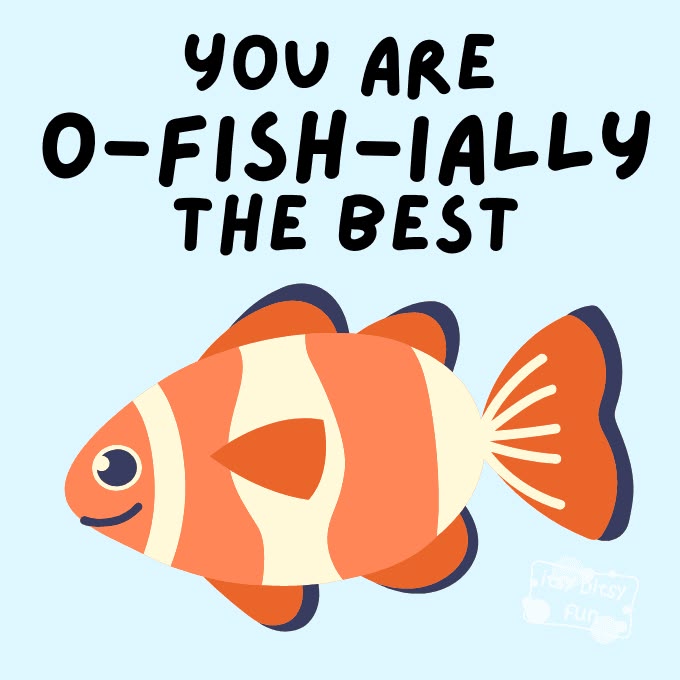
| Visual | Uses images and written words together | A picture of a smiling sun with the caption “Have a bright day.” |
| Recursive | Builds humor through a reference to an earlier joke | “A joke about a joke? That’s a second helping of humor.” |
Each category demonstrates a different way language can produce amusement. Sound-based jokes often work particularly well in spoken conversations because listeners naturally notice similarities in pronunciation. Meaning-based examples can be more effective in writing, where readers have time to reconsider the sentence. Visual humor combines images and language, making it suitable for posters, illustrations, and digital content. Although these categories sometimes overlap, they demonstrate the flexibility of verbal creativity.
Homophonic Wordplay and Similar Sounds
Homophonic wordplay depends on words or expressions that sound alike despite having different meanings or spellings. A familiar example is “I wondered why the baseball was getting bigger. Then it hit me.” The phrase “hit me” refers both to being physically struck by the ball and to suddenly understanding something. The sentence initially creates an expectation about the baseball before introducing a second interpretation. This unexpected change produces the humorous effect.
Pronunciation plays an important role in this category. Regional accents, speech patterns, and language differences can influence whether two expressions sound sufficiently similar. Some jokes work naturally in one language but lose their meaning when translated. This makes sound-based humor an interesting example of how closely language and culture are connected. Writers often use this technique when creating short jokes, humorous headlines, and memorable advertising messages.
Homographic Wordplay and Multiple Meanings
Homographic wordplay uses words with the same spelling but different meanings, sometimes with different pronunciations. For example, the word “bat” can describe a flying mammal or a piece of sporting equipment. A sentence that deliberately introduces both interpretations can create a humorous misunderstanding. Similarly, the word “light” may refer to brightness, low weight, or something that is not serious. These multiple meanings provide opportunities for creative expression.
The effectiveness of this technique depends on arranging the sentence so that the audience initially expects one interpretation before discovering another. Writers may use it to make descriptions more interesting or to introduce humor into otherwise serious subjects. Because the same word can function differently depending on context, this technique also demonstrates the richness and flexibility of vocabulary. It encourages readers to consider how meaning changes according to the words surrounding an expression.
Why Clever Wordplay Makes People Laugh
Humor frequently emerges when expectations are challenged in a harmless and surprising way. When people encounter a sentence, they automatically predict its likely meaning based on familiar language patterns. A clever joke interrupts that prediction by introducing an alternative interpretation. The listener then recognizes the connection between the expected meaning and the unexpected one. This mental adjustment can create amusement because the surprise is resolved through understanding rather than confusion.
Psychologists often discuss humor in relation to incongruity, which occurs when something differs from what a person expects. Wordplay provides a clear example because it combines two interpretations that initially appear unrelated. However, surprise alone does not guarantee laughter. The connection must be understandable, and the timing should allow the audience to recognize the intended meaning. Personal preferences also matter. Some people enjoy sophisticated verbal jokes, while others prefer simple, deliberately obvious humor. Even an exaggerated groan can indicate that someone has understood and appreciated a playful joke.
The Role of Puns in Everyday Conversations
Puns can make everyday conversations more relaxed, memorable, and entertaining. A humorous comment during an ordinary discussion may reduce tension and encourage friendly interaction. For example, someone working in a garden might joke that they have “too many growing concerns.” The expression connects gardening with personal worries, creating a playful moment without interrupting the conversation. These small examples demonstrate how language can introduce warmth into routine situations.
Humorous expressions can also help people establish connections with others. Sharing a joke invites a response, whether it is laughter, a smile, or another playful comment. However, successful conversational humor requires awareness of the audience and situation. A lighthearted joke may be appropriate during a friendly gathering but distracting during an emotionally sensitive discussion. Effective communication involves understanding when humor adds value and when a straightforward response is more respectful. Used thoughtfully, wordplay can support positive interactions without making conversations feel forced.
How Wordplay Supports Creativity and Language Learning
Creative language activities encourage people to explore vocabulary beyond its most familiar uses. When someone attempts to create a clever joke, they must consider pronunciation, alternative definitions, sentence structure, and context. This process involves flexible thinking because a word must be understood from more than one perspective. Such exercises can be useful for writers, students, teachers, and anyone interested in improving verbal expression. They encourage experimentation and demonstrate that language can be both practical and entertaining.
In educational environments, Puns can help make vocabulary lessons more engaging by encouraging students to identify multiple meanings and sound similarities. Teachers may introduce simple examples before asking learners to explain why the sentences are humorous. This activity supports discussion about homophones, homonyms, figurative expressions, and contextual meaning. However, jokes should complement clear explanations rather than replace them, especially when learners are unfamiliar with the vocabulary. When used appropriately, humorous language activities can increase participation and make lessons more memorable.
The Growing Popularity of Wordplay in Digital Communication
Digital communication has created additional opportunities for short and memorable humor. Social media platforms, messaging applications, online communities, and digital advertisements frequently feature playful captions and witty expressions. People often prefer content that communicates an idea quickly because online attention is divided among many competing messages. A clever phrase can attract interest without requiring a lengthy explanation, making wordplay suitable for short-form communication.
In 2026, digital creators continue experimenting with humor through captions, memes, short videos, and interactive posts. A visual joke may combine an ordinary photograph with an unexpected sentence, while a short video may build toward a playful verbal twist. Businesses also use memorable language to establish a recognizable communication style. Nevertheless, effectiveness depends on originality and relevance. Repeating familiar jokes without adapting them to the audience may reduce their impact. Creative expressions tend to work better when they connect naturally with the subject and reflect the intended tone.
How to Create Funny and Clever Puns
Creating Puns involves observing familiar words and identifying opportunities for unexpected connections. A useful starting point is selecting a subject such as food, animals, sports, travel, or technology. Next, consider words associated with that subject and explore whether they have alternative meanings or resemble other expressions. For example, the word “current” can refer to electricity, flowing water, or something happening now. A writer might use these meanings to develop a humorous sentence about an electrician staying informed about current events.
A simple creative process includes the following steps:
-
Choose a familiar subject with several related words and expressions.
-
Identify words with multiple meanings or similar pronunciations.
-
Create a sentence that naturally introduces one meaning before revealing another.
-
Read the sentence aloud to check its clarity, rhythm, and timing.
-
Revise unnecessary words so the humorous connection becomes easier to recognize.
The strongest examples usually sound natural rather than artificially constructed. A joke becomes less effective when the sentence exists only to force a particular word into an unusual position. Writers should therefore focus on clarity and relevance. Testing an expression with another person can also reveal whether the intended connection is immediately understandable. If the listener needs a lengthy explanation, the joke may benefit from a simpler structure or a more familiar reference.
Common Mistakes That Make Wordplay Less Effective
One common mistake is making a joke too complicated. When a sentence contains several unfamiliar words or requires extensive background knowledge, the audience may struggle to recognize the humorous connection. Another problem occurs when the two interpretations are too distant from each other. Effective wordplay generally provides enough context for both meanings to feel relevant. Without that connection, the sentence may appear confusing rather than clever.
Overusing humorous expressions can also reduce their impact. A conversation filled with constant verbal jokes may become distracting, particularly when the audience is trying to discuss something important. Timing, moderation, and originality are therefore essential. Writers should also avoid relying excessively on jokes that have been repeated across many websites and social platforms. Familiar expressions can still be enjoyable, but developing fresh variations gives the audience a stronger reason to pay attention.
Why Puns Are Valuable in Marketing and Branding
Puns are frequently used in marketing because they can make ordinary promotional messages more distinctive. A memorable phrase may help customers associate a brand with creativity, friendliness, or a particular product category. For example, a coffee shop might use the expression “Espresso yourself” to encourage customers to explore different drinks. The phrase combines a coffee-related word with a familiar expression about personal identity, creating a playful connection that is easy to remember.
However, successful marketing humor must support the message rather than distract from it. If customers cannot understand what a business offers, even a clever slogan may fail to communicate effectively. Brands should consider their target audience, cultural context, and desired professional image before using humorous language. A playful bakery advertisement may benefit from a lighthearted phrase, while communication about serious financial or medical matters may require greater restraint. Wordplay is most useful when it reinforces the brand’s identity and makes the message easier to recognize.
The Cultural and Social Importance of Wordplay
Humorous language reflects the creativity and traditions of the communities that use it. Different cultures develop their own forms of verbal humor based on pronunciation, vocabulary, idioms, and shared experiences. A joke that works perfectly in English may become difficult to translate because another language lacks the same relationship between words. This highlights an important feature of communication: meaning depends not only on dictionary definitions but also on cultural familiarity.
Wordplay also appears in literature, theatre, poetry, and popular entertainment. Writers use double meanings to develop characters, introduce humor, and encourage audiences to think beyond literal interpretations. In social settings, playful expressions can create shared experiences that strengthen group connections. However, humor is subjective, and people may interpret the same expression differently. Understanding these differences encourages thoughtful communication and greater appreciation for the diversity of language.
The Future of Clever Humor in a Changing Digital World
As communication technology continues to develop, verbal creativity is finding new forms of expression. Artificial intelligence tools can generate alternative phrases, suggest humorous combinations, and help writers experiment with different styles. Digital editing applications also make it easier to combine written jokes with images, animations, and short videos. These developments expand the ways individuals and businesses can experiment with entertaining language.
Despite technological changes, the most effective humor still depends on human understanding. A computer-generated phrase may be grammatically correct but fail to recognize cultural context, emotional sensitivity, or conversational timing. Human creativity remains important for deciding whether a joke feels natural and appropriate. Future forms of digital humor will likely combine technological assistance with personal expression, allowing creators to explore new ideas while preserving the spontaneity that makes playful communication enjoyable.
Frequently Asked Questions
1. What makes a pun funny?
A pun becomes funny when it creates an unexpected connection between two meanings or similar-sounding expressions. The audience initially understands one interpretation before recognizing another. This moment of surprise can produce amusement because the alternative meaning changes how the sentence is understood. Clarity, timing, and familiarity with the language all influence whether the joke succeeds.
2. Why do some people enjoy wordplay more than others?
Humor preferences vary according to personality, language experience, cultural background, and individual interests. Some people appreciate jokes that require mental effort, while others prefer visual humor or straightforward comedy. Familiarity with vocabulary also affects enjoyment because understanding the connection between meanings is essential. A joke that seems obvious to one person may be confusing to someone learning the language.
3. Can wordplay improve communication skills?
Yes, wordplay can support communication skills by encouraging people to explore vocabulary, recognize different meanings, and consider how context influences interpretation. Creating humorous sentences also requires attention to structure and clarity. These activities may help individuals become more flexible and confident in their language use, although they work best alongside other reading, writing, and speaking practices.
4. Are verbal jokes suitable for professional communication?
Verbal jokes can be appropriate in professional communication when they match the audience, subject, and situation. A clever phrase may make a presentation more memorable or create a friendly atmosphere during an informal discussion. However, humor should not interfere with important information or create misunderstandings. Professionals should consider cultural differences and avoid jokes that could appear insensitive or inappropriate.
5. What is the difference between a pun and a regular joke?
A regular joke may create humor through storytelling, exaggeration, irony, or unexpected events. A pun specifically depends on language relationships, such as multiple meanings or similar sounds. While both forms can involve surprise, wordplay places greater emphasis on how expressions are interpreted. This makes it a distinctive form of humor that often works within a single sentence.
6. How can beginners become better at creating wordplay?
Beginners can improve by reading humorous writing, studying common expressions, and experimenting with words that have multiple meanings. Starting with familiar subjects makes it easier to discover natural connections. Reading sentences aloud helps identify awkward wording, while sharing examples with friends provides useful feedback. Regular practice gradually develops the ability to recognize humorous possibilities in everyday language.
Conclusion
Funny and clever wordplay demonstrates how ordinary language can become a source of creativity, entertainment, and meaningful communication. By exploring different meanings, similar sounds, and unexpected interpretations, people can transform simple expressions into memorable moments. This form of humor appears in conversations, education, literature, marketing, and digital entertainment because it combines accessibility with imaginative thinking.
Understanding Puns also provides a deeper appreciation of how language works. Their effectiveness depends on context, clarity, timing, and the audience’s ability to recognize more than one interpretation. Whether someone enjoys reading humorous expressions or wants to create original jokes, developing an awareness of word relationships can make communication more engaging.
Ultimately, clever humor does not require complicated language or elaborate storytelling. Sometimes, a familiar phrase presented from a different perspective is enough to create a smile. By using creativity thoughtfully and respecting the context of each interaction, anyone can discover new opportunities to bring laughter, connection, and enjoyment into everyday life.