

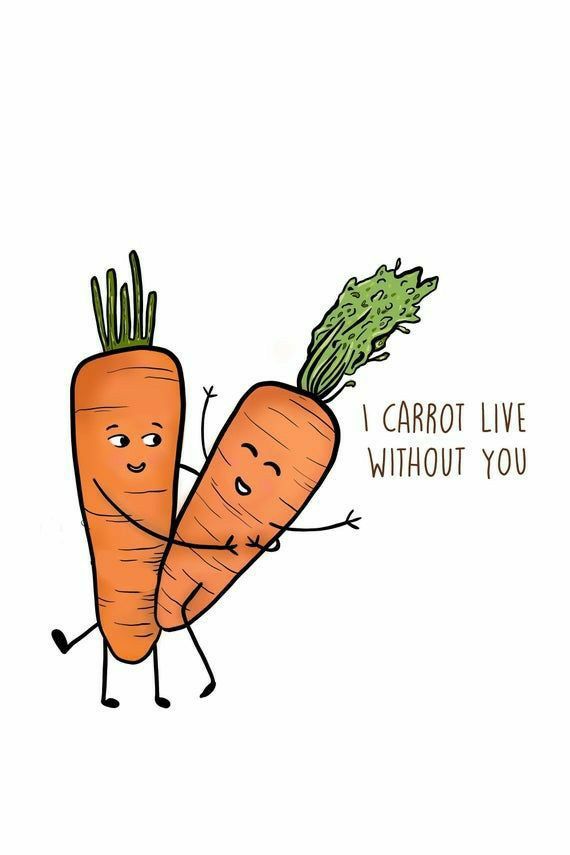
Introduction
Language is more than a tool for exchanging information. It is a creative medium that allows people to express emotions, share ideas, build relationships, and discover humor in unexpected places. Among the many entertaining features of language, wordplay holds a special position because it transforms ordinary expressions into memorable moments. A simple sentence can become surprisingly amusing when words carry multiple meanings or sound similar to completely different expressions. This playful interaction between meaning and sound demonstrates how flexible and imaginative human communication can be.
Puns are among the most recognizable forms of wordplay, bringing together humor, creativity, and linguistic intelligence. They appear in everyday conversations, literature, advertisements, entertainment, and digital communication. Their appeal comes from the unexpected connection between familiar words and surprising interpretations. Sometimes the humor is immediate, while other examples require a moment of thought before the hidden meaning becomes clear. Either way, the experience encourages people to look beyond the obvious meaning of language.
In today’s communication environment, creative wordplay has become particularly valuable. Social media captions, online communities, marketing campaigns, and short-form entertainment frequently rely on clever expressions to attract attention. Understanding how these language techniques work can improve communication skills, strengthen creative thinking, and make ordinary interactions more enjoyable. Exploring their structure, history, and modern applications reveals why this timeless form of humor continues to entertain audiences across generations.
Understanding the Art of Wordplay
Wordplay refers to the creative manipulation of language to produce humor, emphasis, surprise, or additional meaning. It often depends on similarities in pronunciation, spelling, or interpretation. Unlike straightforward communication, wordplay encourages listeners and readers to recognize more than one possible meaning within an expression. This process makes language interactive because the audience must mentally connect different ideas to understand the intended effect.
The beauty of wordplay lies in its simplicity and versatility. A familiar phrase can suddenly become entertaining through a small change in context. For example, describing a mathematics book as having too many problems creates humor because the word “problems” refers both to mathematical exercises and personal difficulties. The sentence remains understandable in its ordinary sense, but its additional interpretation creates a playful surprise. Such examples demonstrate how everyday vocabulary can become a source of entertainment without complicated storytelling.
The Relationship Between Language and Humor
Humor frequently develops when expectations are challenged. During ordinary communication, people predict the meaning of sentences based on grammar, vocabulary, and context. Wordplay interrupts these expectations by introducing an alternative interpretation that is unexpected but still understandable. The resulting shift creates a moment of surprise, which often produces amusement.
Linguists and humor researchers commonly describe this process through ideas such as incongruity and reinterpretation. A person initially understands a phrase in one way before recognizing another possible meaning. This mental adjustment is important because the humor depends on the relationship between the two interpretations. The more naturally these meanings fit together, the more satisfying the joke can become.
The Fascinating History of Clever Language
Creative language has entertained people for thousands of years. Ancient civilizations used double meanings, riddles, and verbal humor in storytelling, theatrical performances, and public discussions. Early literary traditions often included expressions that depended on multiple interpretations, demonstrating that language-based humor existed long before modern comedy developed.
Classical Greek and Roman writers experimented with verbal ambiguity, while medieval storytellers incorporated playful expressions into poetry and popular narratives. During the Renaissance, writers expanded these techniques through dramatic dialogue and literary experimentation. William Shakespeare became particularly famous for using clever language, double meanings, and verbal misunderstandings to develop characters and entertain theater audiences.
The popularity of Puns has continued through changing cultural environments because their basic appeal remains universal. Although vocabulary, pronunciation, and social customs evolve, people continue to enjoy discovering unexpected relationships between words. Modern comedians, writers, and digital creators build on the same linguistic principles used by earlier generations, adapting them to contemporary audiences and communication platforms.
Different Types of Wordplay and Their Unique Features
Not every clever expression uses language in the same way. Some examples depend on pronunciation, while others rely on spelling, grammatical structure, or multiple definitions. Understanding these differences makes it easier to recognize how verbal humor works and why certain expressions are especially effective.
The following table explains several common categories and illustrates how each creates a different experience for the audience.
| Type of wordplay | How it works | Example |
|---|---|---|
| Homophonic | Uses words with similar pronunciation but different meanings | The bicycle was two-tired to continue. |
| Homographic | Uses identical spelling with different meanings | The fisherman went to the bank. |
| Compound | Combines two or more playful meanings | The baker needed dough to make some dough. |
| Visual | Uses written or visual presentation to create an additional interpretation | An illustration of a clock with hands applauding |
| Recursive | Builds humor around another joke or familiar expression | A joke about wordplay that itself contains wordplay |
These categories demonstrate that clever humor can emerge from several linguistic features. Some expressions work best when spoken aloud, while others become clearer in writing or through illustrations. Recognizing the differences helps writers select techniques that match their audience, message, and communication style.
Why Puns Make Conversations More Interesting
Everyday conversations often follow predictable patterns. People exchange information, discuss familiar topics, and respond using common expressions. Introducing an unexpected linguistic connection can interrupt this routine and create a memorable interaction. Even a short humorous remark can change the atmosphere of a discussion, particularly when it relates naturally to the subject being discussed.
For example, someone discussing gardening might say that their plants are “rooting” for them. The expression connects plant growth with emotional encouragement, producing humor through a familiar phrase. Such remarks can make casual conversations feel more relaxed and personal. However, successful wordplay depends heavily on timing and context. A clever expression that fits naturally into a conversation is generally more effective than one inserted without a clear connection.
How Humor Builds Social Connections
Shared laughter can strengthen interpersonal relationships by creating positive emotional experiences. When two people understand the same joke, they briefly participate in a shared interpretation of language. This experience can encourage familiarity, reduce social tension, and make communication feel less formal.
Wordplay can also provide a gentle way to introduce humor without relying on insults or controversial subjects. Its effectiveness is not guaranteed, since humor preferences vary, but playful language often offers a relatively accessible form of entertainment. In classrooms, workplaces, and family conversations, carefully chosen examples can create a welcoming atmosphere while keeping discussions lively and engaging.
The Psychology Behind Clever Verbal Humor
Understanding a word-based joke involves several mental processes. The brain must recognize familiar vocabulary, interpret the surrounding context, identify an unexpected meaning, and connect that meaning with the original interpretation. These steps often happen quickly, making the experience feel effortless even though considerable language processing is involved.
Researchers studying humor have examined how surprise, ambiguity, and mental flexibility contribute to amusement. When a sentence supports two interpretations, the listener may initially select the most obvious meaning. Recognizing the alternative creates a small cognitive shift. This shift can feel rewarding because the listener successfully resolves an unexpected linguistic puzzle.
Creativity and Flexible Thinking
Creative thinking involves recognizing relationships between ideas that may not initially appear connected. Wordplay encourages this ability by inviting people to explore alternative meanings, sounds, and associations. Someone inventing a joke about cooking, for instance, might consider expressions involving heat, pressure, taste, or preparation before discovering a useful connection.
Practicing this kind of language experimentation may support verbal flexibility and imaginative expression. However, it should not be treated as a guaranteed method for increasing intelligence or improving memory. Its clearest benefit is that it encourages active engagement with vocabulary and meaning, which can make language exploration more enjoyable.
The Role of Puns in Literature and Storytelling
Literature provides an especially rich environment for creative language because writers can use multiple meanings to communicate humor, emotion, and character development. A carefully constructed expression may entertain readers while also revealing a character’s personality or emphasizing a central theme. Unlike a simple joke, literary wordplay can contribute to the deeper structure of a narrative.
In dramatic writing, verbal ambiguity sometimes creates misunderstandings between characters. One character may interpret a statement literally while another intends a figurative meaning. This difference can generate comedy, suspense, or irony. In poetry, similar techniques can introduce layers of meaning without requiring lengthy explanations.
Contemporary fiction, children’s books, comics, and animated storytelling continue to use playful language. Young readers may enjoy obvious sound-based jokes, while experienced readers may appreciate more subtle references. This adaptability makes wordplay valuable across different genres and age groups.
Creative Wordplay in Advertising and Branding
Marketing professionals frequently use memorable language to distinguish products and services from competitors. A short phrase containing an unexpected double meaning can attract attention and encourage consumers to remember a message. When the connection relates directly to a product, the humor may also reinforce its purpose or personality.
A bakery might use an expression such as “We knead your support,” connecting the process of kneading dough with the familiar word “need.” The phrase communicates a message while maintaining a playful relationship with the business. Similarly, a gardening service might build a campaign around helping customers “grow their happiness.”
Successful advertising wordplay should remain understandable and relevant. An overly complicated joke can distract from the intended message, while an expression that requires extensive explanation may lose its impact. Effective campaigns balance originality with clarity, ensuring that the audience recognizes both the humor and the information being communicated.
Puns in Social Media and Digital Communication
Digital platforms have changed how people create, share, and experience humor. Short captions, memes, comments, and promotional posts encourage concise expressions that communicate an idea quickly. Wordplay fits naturally into these formats because a single sentence can contain both an ordinary message and an unexpected interpretation.
In 2026, digital communication continues to include short-form videos, visual storytelling, interactive communities, and AI-assisted content creation. Within these environments, clever language can help a message stand out when it reflects the interests and vocabulary of its intended audience. A humorous caption may invite comments or sharing, although audience response depends on relevance, timing, and overall content quality.
Artificial intelligence can also help writers brainstorm alternative phrases, identify related words, and experiment with humorous combinations. Nevertheless, human judgment remains essential. Automated suggestions may overlook cultural context, produce awkward expressions, or misunderstand subtle meanings. Reviewing the final wording helps ensure that humor feels natural rather than mechanically constructed.
How to Create Original and Memorable Wordplay
Developing effective wordplay begins with observing how ordinary words function in different contexts. Many words have multiple definitions, while others resemble unrelated terms in pronunciation. These relationships provide the raw material for creative expressions. Rather than attempting to force humor into every sentence, writers can begin with a familiar topic and explore its associated vocabulary.
For example, a writer preparing content about photography might consider words such as focus, exposure, frame, and picture. Each term has meanings or associations beyond photography. A phrase such as “I can picture a brighter future” connects imagination with the photographic theme. Although simple, this approach illustrates how an ordinary expression can gain additional relevance through context.
Practical Techniques for Developing Better Ideas
Writers can strengthen their creative process by practicing a few straightforward techniques:
-
Explore words that have multiple definitions or similar pronunciations.
-
Collect familiar expressions connected to a particular subject.
-
Experiment with replacing one word in a common phrase.
-
Read each expression aloud to test its clarity and rhythm.
-
Revise awkward wording until the humor feels natural.
The strongest results often come from repeated experimentation. An initial idea may seem predictable, but adjusting the context or changing the sentence structure can make it more effective. Reading widely and paying attention to everyday speech also provides a continuing source of inspiration.
The Importance of Context and Cultural Understanding
Language-based humor does not always translate easily between cultures. An expression that works perfectly in English may lose its meaning when translated because the target language uses different vocabulary, pronunciation, or idioms. Even within the same language, regional expressions can influence whether an audience understands a particular joke.
Cultural references also shape interpretation. A joke involving a familiar television program, traditional saying, or local custom may appeal strongly to one audience while confusing another. This does not mean creative language must avoid cultural references entirely. Instead, writers should consider whether their intended readers possess enough background knowledge to recognize the connection.
Finding the Right Balance Between Humor and Clarity
Excessive wordplay can weaken communication when every sentence requires interpretation. Readers may become distracted from the central message, particularly in technical, educational, or professional material. Humor works best when it supports the purpose of the content rather than competing with it.
A useful approach is to introduce playful language at moments where it adds warmth, emphasis, or memorability. Clear explanations should remain the foundation of informative writing. When the audience can understand the message without struggling to decode every expression, the humor becomes a welcome addition instead of an obstacle.
Educational Benefits of Playful Language
Teachers and educational writers often incorporate wordplay into lessons because it encourages students to pay closer attention to vocabulary. A humorous sentence can demonstrate how meaning changes according to context, helping learners recognize that language is not always literal.
For younger students, simple examples may introduce homophones, multiple meanings, and figurative expressions. Older students can examine more complex linguistic structures, including irony, ambiguity, and literary techniques. These activities can make vocabulary lessons more interactive while encouraging learners to explain why a particular expression works.
Puns can also support classroom discussion by creating opportunities for students to compare interpretations. For example, asking learners to explain why a particular joke is amusing encourages them to identify relevant definitions and describe the relationship between them. The educational value comes not merely from laughing at the joke but from analyzing the language behind it.
Common Mistakes That Reduce the Effectiveness of Wordplay
Creating humorous language requires more than identifying two similar-sounding words. The relationship between the words must be understandable, and the surrounding sentence should provide enough context for the audience to recognize the intended connection. When an expression depends on an obscure definition or an unnatural grammatical structure, the humor may feel forced.
Another common mistake is overexplaining the joke. Much of the enjoyment comes from discovering the alternative meaning independently. Explaining every connection immediately can remove the element of surprise. However, educational settings may require additional explanation because the purpose is to develop language understanding rather than simply entertain.
Writers should also avoid repeating familiar expressions excessively. Common jokes can still be enjoyable, but originality often improves their impact. Adapting an idea to a specific situation, audience, or subject can make an otherwise predictable expression feel fresh and relevant.
The Future of Creative Language and Humor
Communication technology continues to influence how humor develops. Visual memes, interactive storytelling, digital illustrations, and multilingual online communities create opportunities for combining written language with images and cultural references. These formats allow creators to experiment with expressions that might be difficult to communicate through traditional text alone.
As AI-assisted writing becomes more common, originality and audience awareness are likely to remain important qualities. Technology can generate numerous combinations of words, but successful humor still requires an understanding of emotional tone, cultural expectations, and conversational timing. The most engaging creative expressions are often those that connect naturally with real experiences.
Ultimately, the future of wordplay depends less on a particular platform than on people’s continuing interest in language. As vocabulary changes and new expressions enter everyday speech, fresh opportunities for linguistic creativity will continue to emerge.
Frequently Asked Questions
1. What makes wordplay different from an ordinary joke?
Wordplay creates humor primarily through the structure, sound, or meaning of language. An ordinary joke may depend on a funny situation, unexpected event, or amusing character behavior. Wordplay specifically uses linguistic connections to produce surprise. Both forms of humor can overlap, but language itself plays the central role in wordplay.
2. Why do people enjoy Puns so much?
People often enjoy these expressions because they combine surprise with a small mental challenge. Recognizing two possible meanings within a sentence creates a moment of discovery. Their short format also makes them easy to share during conversations, in messages, and through digital entertainment.
3. Can creative wordplay improve writing skills?
Practicing wordplay can encourage writers to explore vocabulary, experiment with sentence structure, and consider multiple interpretations of familiar expressions. These activities may contribute to greater verbal flexibility and more imaginative writing. However, effective writing also requires clarity, organization, accuracy, and an understanding of the intended audience.
4. Are word-based jokes suitable for professional communication?
They can be appropriate when used carefully. Light humor may make presentations, marketing materials, and informal workplace conversations more engaging. However, serious announcements, legal documents, and sensitive discussions generally require direct language. The most important consideration is whether the humor supports the communication goal.
5. Why are some examples difficult to translate into other languages?
Many examples depend on words that sound alike or carry multiple meanings within a particular language. When translated, those linguistic relationships may disappear. Translators sometimes recreate the intended humorous effect using different expressions rather than attempting a literal translation.
6. How can beginners become better at creating clever expressions?
Beginners can start by collecting words with multiple meanings and identifying familiar phrases related to everyday topics. Experimenting with substitutions, reading humorous literature, and listening to natural conversations can provide inspiration. Regular practice, combined with careful revision, makes it easier to recognize promising connections and develop original expressions.
Conclusion
The art of wordplay demonstrates the remarkable creativity hidden within everyday language. Through unexpected meanings, similar sounds, and imaginative associations, ordinary expressions can become entertaining, memorable, and thought-provoking. Its long history shows that verbal humor is not simply a modern entertainment trend but an enduring part of human communication.
From literature and education to advertising and social media, playful language continues to serve many purposes. It can encourage creative thinking, support vocabulary exploration, strengthen social interactions, and make messages more engaging. Its effectiveness depends on clarity, context, timing, and an understanding of the audience.
Learning to appreciate and create clever expressions offers a fresh perspective on communication. Every conversation, story, and familiar phrase contains possibilities for imaginative interpretation. By approaching language with curiosity and creativity, anyone can discover how a few carefully chosen words can transform an ordinary message into something genuinely enjoyable and memorable.