

Introduction
Humor is one of the most fascinating parts of human communication. It connects people, reduces tension, and transforms ordinary situations into memorable experiences. Among the many forms of humor, wordplay holds a special place because it combines creativity, language, and unexpected meanings. A simple sentence can become hilarious when words are arranged to suggest two different interpretations. This playful approach to communication has entertained audiences for centuries and continues to influence conversations, literature, advertising, and digital entertainment. Understanding how linguistic humor works can help people appreciate jokes more deeply while improving their ability to communicate creatively.
Puns are particularly interesting because they turn familiar words into surprising sources of laughter. Rather than depending on complicated stories or elaborate performances, this type of humor often relies on a single expression with multiple meanings. The listener initially understands one interpretation before discovering another, creating a moment of surprise. This mental shift is what makes wordplay entertaining. Whether someone enjoys clever jokes during casual conversations or encounters humorous captions on social media, language-based comedy remains an accessible form of entertainment.
In today’s communication environment, where people constantly exchange messages, memes, and short videos, creative humor has become even more relevant. Digital platforms encourage individuals to express ideas quickly, making short and memorable jokes especially appealing. From classroom activities to marketing campaigns, humorous language helps capture attention and build connections. Exploring the structure, psychology, and cultural significance of wordplay reveals why even the simplest jokes can leave a lasting impression.
What Makes Wordplay an Important Part of Humor?
Wordplay is a form of creative expression that uses the structure, sound, or meaning of language to produce amusement. Unlike physical comedy, which depends on visible actions, linguistic humor requires listeners to recognize relationships between words. These relationships may involve similar pronunciations, multiple definitions, or unexpected combinations of familiar expressions. The entertainment comes from discovering a hidden connection that was not immediately obvious. This process makes language-based humor intellectually engaging while remaining enjoyable for audiences of different ages.
The effectiveness of wordplay also depends on timing and context. A clever expression may produce laughter when introduced naturally during a conversation but feel less entertaining when explained excessively. Successful humor creates a balance between familiarity and surprise. The audience must understand the original meaning before recognizing the alternative interpretation. When this happens smoothly, a short statement can communicate more humor than a lengthy joke. This quality explains why linguistic comedy continues to appear in everyday conversations, books, television programs, and online entertainment.
Understanding the Connection Between Language and Laughter
Language provides an enormous collection of sounds, meanings, and expressions that can be creatively rearranged. Many English words have multiple definitions, while others sound similar despite having different spellings. These characteristics create opportunities for humorous misunderstandings. For example, the sentence “I used to be a baker, but I couldn’t make enough dough” connects the literal meaning of dough with its informal association with money. The joke works because both interpretations fit naturally within the same sentence.
Laughter often emerges when the brain recognizes this unexpected connection. At first, the listener follows the ordinary meaning of a statement. Then another interpretation becomes apparent, changing how the entire sentence is understood. This quick mental adjustment creates amusement because the outcome differs from the listener’s expectation. Although the mechanism appears simple, it involves vocabulary knowledge, contextual understanding, and flexible thinking. These qualities make wordplay both entertaining and mentally stimulating.
Different Types of Puns and How They Create Humor
Not all wordplay follows the same pattern. Some jokes depend on words that sound alike, while others use expressions with several meanings. Certain examples combine multiple linguistic techniques to create more complicated humor. Understanding these differences helps explain why some jokes are immediately funny while others require additional thought. The structure of a joke also influences its audience, since younger listeners may prefer straightforward examples while experienced readers appreciate more sophisticated linguistic connections.
The following table highlights common categories of wordplay and demonstrates how each creates a humorous effect.
| Type of wordplay | How it works | Example |
|---|---|---|
| Homophonic | Uses words with similar sounds but different meanings | “The bicycle couldn’t stand because it was two-tired.” |
| Homographic | Uses the same spelling with different meanings | “The fisherman was hooked on his hobby.” |
| Compound | Combines multiple wordplay elements | “The electrician’s career was shocking, but his ideas were bright.” |
| Visual | Uses images and language together | A picture of a sleeping computer labeled “Rest in PC.” |
| Recursive | Builds humor around another joke or expression | “A joke about a broken pencil is pointless.” |
These categories demonstrate the flexibility of linguistic comedy. The same general technique can produce simple jokes, complex literary expressions, or memorable advertising messages. The most successful examples usually remain easy to understand while offering an unexpected interpretation.
The Psychology Behind Why Funny Words Make Us Laugh
Human beings naturally search for patterns and meaning when processing information. During a conversation, the brain predicts what someone is likely to say next based on vocabulary, context, and previous experiences. Humor often interrupts these expectations by introducing an unexpected but understandable alternative. This process is sometimes explained through incongruity theories of humor, which suggest that amusement can arise when an anticipated pattern is disrupted and the surprising result makes sense.
Puns take advantage of this mental process by presenting two interpretations within the same expression. The listener first identifies the obvious meaning before recognizing the hidden one. This moment of discovery can produce satisfaction alongside amusement. However, laughter is not guaranteed. Personal taste, language familiarity, cultural background, and social circumstances all influence whether someone finds a particular joke funny. An expression that delights one audience may confuse another, especially when the humor depends on unfamiliar vocabulary or regional slang.
How Surprise and Recognition Work Together
Surprise alone does not automatically create humor. An unexpected sentence may simply seem confusing unless the listener can identify a meaningful connection. Effective wordplay provides enough clues for the audience to discover the alternative interpretation without extensive explanation. This balance between challenge and recognition is essential. If the connection is too obvious, the joke may feel predictable. If it is too complicated, the listener may struggle to understand the intended meaning.
Recognition also explains why familiar expressions are frequently used in humorous language. Common sayings provide an established pattern that audiences can easily identify. Changing one word or introducing an alternative meaning disrupts that pattern and creates amusement. For example, a musician who says they are experiencing “treble” transforms the ordinary word “trouble” into a musical reference. The joke becomes entertaining because the listener recognizes both the original expression and the creative alteration.
How Puns Improve Everyday Communication
Humor can make ordinary conversations more engaging by introducing moments of relaxation and shared enjoyment. During social interactions, a playful expression may help establish friendliness, reduce awkwardness, or make an explanation more memorable. Wordplay is especially useful because it can be introduced briefly without interrupting the overall conversation. A well-timed joke may encourage participation and create a more comfortable atmosphere, particularly when everyone understands the reference.
However, effective communication requires awareness of the audience and situation. A humorous expression that works among friends may feel inappropriate during a serious discussion. Cultural differences and language proficiency also influence interpretation. Speakers should therefore consider whether their audience is likely to understand the joke and appreciate its tone. When used thoughtfully, linguistic humor supports communication rather than distracting from it. It can make a conversation feel natural, memorable, and enjoyable without requiring constant attempts to be funny.
Building Social Connections Through Shared Laughter
Shared laughter often contributes to positive social experiences because it creates a sense of participation. When two people understand the same humorous reference, they briefly share a common perspective. This experience can make interactions feel more relaxed and strengthen conversational engagement. Friends frequently develop recurring jokes based on memorable expressions, while families may use playful language as part of everyday communication.
Humor can also encourage people to participate in group discussions. A simple joke may provide an easy opening for conversation, especially when the subject is familiar and harmless. Nevertheless, not every form of humor creates connection. Jokes that embarrass others or depend on exclusion may damage relationships. Friendly wordplay is generally most effective when it invites people to laugh together rather than making someone the target of ridicule.
The Growing Popularity of Wordplay in Digital Culture
Digital communication has created new opportunities for short-form humor. Social media captions, messaging applications, online communities, and video platforms allow creative expressions to spread quickly. Because users often scroll through large amounts of information, brief jokes that communicate an idea immediately can be especially effective. Wordplay fits this environment because it can deliver a complete humorous message within a few words.
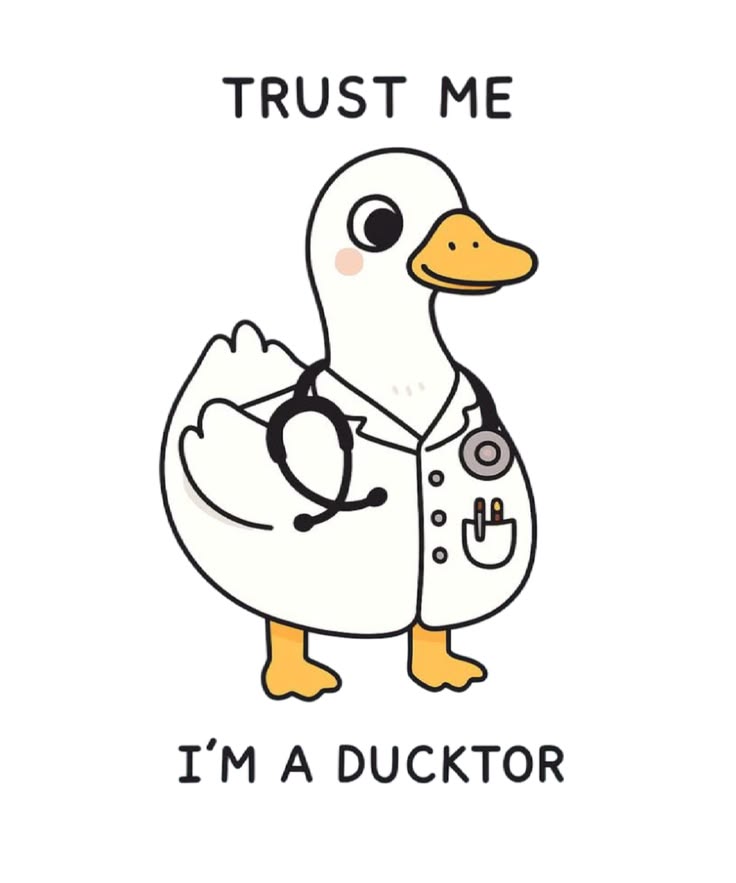
Puns also work well with visual content, where images provide additional context for interpreting a phrase. A photograph of a cat beside a computer might include the caption “You’ve got to be kitten me.” The humor combines a familiar expression with an animal-related substitution. Such examples are easy to understand and share, although their popularity varies across communities and platforms. In 2026, short captions, memes, and playful brand messages remain common formats for linguistic humor, reflecting the continuing appeal of accessible, creative communication.
Why Memes and Captions Benefit From Clever Language
Memes often depend on the relationship between an image and a short piece of text. The image establishes a situation, while the caption introduces an unexpected interpretation. When both elements complement each other, the result can communicate humor almost instantly. This format works particularly well for everyday experiences such as studying, working, cooking, or dealing with minor frustrations.
Creative captions can also encourage audience participation. People may respond by suggesting alternative phrases, extending the original joke, or creating related versions. This collaborative aspect allows humorous language to evolve as it moves between communities. At the same time, jokes that depend heavily on temporary trends may lose their meaning quickly. Wordplay based on familiar language and universal experiences often remains understandable for longer periods.
Educational Benefits of Learning Through Funny Wordplay
Language-based humor can support educational activities by encouraging students to examine vocabulary, pronunciation, and meaning. When learners encounter a joke built around two interpretations, they must identify how each interpretation relates to the sentence. This activity can promote attention to language structure and encourage flexible thinking. Teachers may use humorous examples to introduce homophones, idioms, figurative expressions, and other linguistic concepts in a more engaging format.
Puns can also make vocabulary practice enjoyable for students who find traditional exercises repetitive. For instance, a teacher discussing astronomy might introduce the joke “I needed space, so I became an astronaut.” Students can then explore how the word “space” refers both to physical distance and the region beyond Earth. The educational value comes from discussing the meanings rather than simply laughing at the sentence. Although humor does not replace structured instruction, it can complement lessons and provide memorable examples of how language works.
Encouraging Creativity and Critical Thinking
Creating original wordplay requires more than knowing definitions. Writers must recognize relationships between words, consider alternative interpretations, and construct sentences that make both meanings relevant. This process encourages experimentation with language and helps learners explore vocabulary beyond its most common uses. It also develops awareness of context, since the same expression may communicate different meanings in different situations.
Students can practice by choosing an ordinary word and identifying its alternative meanings or similar-sounding expressions. They can then build a short sentence around the connection. Reviewing the result helps them determine whether the joke is understandable and whether the unexpected meaning feels natural. Such exercises can support creative writing, speaking confidence, and collaborative learning when adapted to students’ abilities and interests.
How Businesses Use Puns in Advertising and Branding
Marketing professionals frequently use creative language to make advertisements memorable. A short humorous phrase can communicate a brand’s personality while attracting attention in crowded promotional environments. Restaurants, bookstores, clothing businesses, and technology companies may use wordplay in product descriptions, packaging, or social media campaigns. When the joke connects naturally with the product, it can make the message easier to recognize and remember.
For example, a coffee shop might use the phrase “Espresso yourself” to encourage customers to enjoy a personalized drink. The expression connects the word “espresso” with the familiar phrase “express yourself.” Its effectiveness comes from being relevant, concise, and easy to understand. However, humor should not overshadow important product information. Businesses still need clear descriptions, accurate claims, and messaging appropriate for their audiences. Wordplay works best when it strengthens the brand’s message rather than replacing useful information.
Maintaining the Right Balance Between Humor and Professionalism
Professional communication often requires a careful balance between friendliness and credibility. A humorous headline may attract attention, but excessive jokes can make important information difficult to follow. Businesses should consider the expectations of their customers and the seriousness of the subject before introducing playful language. A lighthearted message may suit a bakery promotion, while financial or medical communication may require a more restrained approach.
Consistency also matters. If a brand uses clever expressions in one campaign but adopts an entirely different personality elsewhere, customers may find its communication confusing. Effective marketing humor should reflect the organization’s established tone and values. Testing messages with a representative audience can help determine whether the intended meaning is clear and whether the joke creates the desired impression.
Practical Techniques for Creating Original and Funny Wordplay
Writing humorous expressions becomes easier with practice and careful observation. Everyday language contains numerous opportunities for creative connections, particularly when words have multiple meanings or similar sounds. The process often begins by identifying a familiar expression and exploring how it might connect with an unrelated topic. Writers can then construct a sentence that supports both interpretations.
A few practical techniques can make the creative process more effective:
-
Choose familiar words with multiple meanings or similar pronunciations.
-
Build the joke around a recognizable situation or common experience.
-
Keep the sentence concise so the humorous connection remains clear.
-
Read the expression aloud to check pronunciation, rhythm, and timing.
-
Revise confusing wording until the alternative meaning feels natural.
Originality does not always require inventing an entirely new linguistic structure. Writers can develop fresh jokes by connecting familiar vocabulary with unusual situations. A gardening enthusiast, for example, might say, “I’m rooting for my plants.” The expression combines emotional support with the physical roots of plants. The joke is straightforward, but its relevance makes it effective. The goal is to create an enjoyable moment of recognition rather than force a complicated connection.
Common Mistakes That Reduce the Effectiveness of Wordplay
One common mistake is making a joke so complicated that the audience cannot identify the intended connection. Humor loses momentum when listeners must spend too much time interpreting an expression. Another problem occurs when the joke depends on obscure vocabulary or highly specialized knowledge. Although technical wordplay may entertain a knowledgeable audience, it may not work well in general conversations.
Repeating the same joke too frequently can also reduce its impact because surprise is an important part of humor. Similarly, inserting wordplay into every sentence may distract from the main message. Writers should focus on relevance, clarity, and timing rather than the number of jokes included. The strongest examples often appear naturally within meaningful communication, allowing humor to enhance the experience without becoming overwhelming.
The Cultural Importance of Humor Across Generations
Humorous language has appeared in storytelling, literature, theater, and everyday speech throughout history. Writers and performers have used double meanings to entertain audiences, develop characters, and communicate ideas indirectly. William Shakespeare, for example, frequently incorporated linguistic ambiguity into his plays, demonstrating how wordplay could serve both comic and dramatic purposes. Such traditions show that creative language is not merely a modern entertainment trend.
Different generations may prefer different forms of humor, but the underlying enjoyment of surprising language remains widespread. Older audiences may appreciate familiar sayings and literary references, while younger audiences may encounter wordplay through memes, games, and digital conversations. Cultural context also influences which expressions are understood. Translating a joke between languages can be challenging because pronunciation and multiple meanings rarely correspond perfectly. These differences demonstrate how humor reflects both universal cognitive abilities and the distinctive characteristics of individual languages.
Frequently Asked Questions
1. What makes a word-based joke funny?
A word-based joke becomes funny when it creates an unexpected connection between two meanings, sounds, or expressions. The audience initially interprets the sentence in one way before recognizing another possible meaning. This shift can produce amusement, especially when the connection is clear and relevant. Timing, context, and familiarity with the language also influence how effectively the joke works.
2. Why are Puns popular among people of different ages?
Their appeal comes from their flexibility and accessibility. Children may enjoy simple jokes involving familiar animals or objects, while adults may appreciate more complex references involving professions, literature, or cultural expressions. Because the basic technique can be adapted to different vocabulary levels, wordplay can entertain diverse audiences. Individual preferences still vary, and not everyone enjoys the same style of humor.
3. Can humorous wordplay improve language skills?
Humorous wordplay can support language learning by encouraging people to explore pronunciation, vocabulary, idioms, and alternative meanings. Creating or interpreting a joke requires attention to context and linguistic relationships. These activities can complement reading, writing, and speaking exercises, although they should be used alongside other teaching methods rather than treated as a complete learning strategy.
4. How can someone become better at creating clever jokes?
Improvement usually comes through reading, observation, experimentation, and revision. Writers can begin by identifying words with multiple meanings and considering how those meanings might fit within a single situation. Listening to natural conversations can also reveal opportunities for humor. Testing jokes with an appropriate audience helps determine whether the intended connection is understandable.
5. Are wordplay jokes suitable for professional communication?
They can be appropriate when they match the audience, context, and purpose of the message. A lighthearted expression may make a presentation, advertisement, or workplace conversation more engaging. However, jokes should not interfere with clarity or diminish the seriousness of important information. Professional humor is most effective when it remains respectful, relevant, and concise.
6. Why do some jokes lose their meaning when translated?
Many jokes depend on pronunciation, spelling, or multiple meanings that are specific to one language. A word that sounds similar to another in English may have no equivalent relationship in a different language. Cultural references and idiomatic expressions can also be difficult to translate directly. Translators sometimes need to create a new expression that produces a similar humorous effect rather than preserving the original wording.
Conclusion
Humor demonstrates the remarkable flexibility of human language. A familiar expression can become entertaining when its meaning changes unexpectedly, while a simple connection between sounds can transform an ordinary sentence into a memorable joke. Understanding the structure of linguistic comedy reveals how surprise, recognition, creativity, and context work together to produce amusement. These elements explain why wordplay continues to influence personal conversations, education, literature, advertising, and digital communication.
Puns remain a valuable example of how creativity can make language more engaging. They encourage people to explore alternative meanings, appreciate clever expressions, and communicate ideas in imaginative ways. Whether used to brighten a conversation, support vocabulary learning, or develop a memorable marketing message, successful wordplay depends on clarity, relevance, and timing. By paying closer attention to the hidden possibilities within everyday language, anyone can develop a deeper appreciation of humor and discover new opportunities to share laughter.