

Introduction
Everyday conversations shape the way people connect, share experiences, and build relationships. Whether chatting with friends, speaking with coworkers, or exchanging messages with family members, communication becomes more enjoyable when humor enters the conversation. One of the simplest ways to introduce humor is through clever wordplay. Puns transform ordinary expressions into amusing moments by playing with words that have multiple meanings or similar sounds. Their charm lies in their simplicity, making them accessible to people of different ages and backgrounds.
Humor does not always require elaborate jokes or carefully prepared stories. Sometimes, a single unexpected phrase can turn a routine conversation into a memorable experience. Wordplay encourages listeners to interpret language differently, creating a brief moment of surprise followed by recognition and laughter. This combination of creativity and amusement makes everyday communication feel more spontaneous and engaging.
In today’s fast-moving digital environment, people communicate through messaging applications, social media platforms, video calls, and face-to-face interactions. Short, creative expressions often attract attention because they communicate personality without requiring lengthy explanations. Understanding why wordplay works reveals how humor influences relationships, emotional connections, creativity, and the way people remember conversations.
Understanding the Unique Appeal of Wordplay
Wordplay is a form of humor that depends on the flexibility of language. Words frequently carry several meanings, and different expressions sometimes sound alike despite having unrelated definitions. When someone combines these linguistic features unexpectedly, the result can be entertaining because the listener initially interprets the phrase one way before discovering another meaning.
For example, someone discussing a difficult mathematics assignment might say, “I have too many problems to solve.” The statement can refer both to mathematical exercises and everyday difficulties. Similarly, a gardener might joke that their business is “growing,” creating an amusing connection between commercial success and plant development. These expressions work because they transform familiar vocabulary into something slightly unexpected.
The appeal of Puns also comes from their ability to reward attention. Listeners must recognize the relationship between two meanings to understand the humor. This small mental challenge creates satisfaction when the connection becomes clear. Unlike complicated jokes that depend on extensive background knowledge, effective wordplay often relies on familiar experiences, making it easy to incorporate into casual discussions.
How Humor Makes Ordinary Conversations More Enjoyable
Turning Routine Discussions Into Entertaining Moments
Many daily conversations revolve around predictable subjects such as work schedules, household responsibilities, transportation, weather, and meals. Although these topics are necessary, they can sometimes feel repetitive. A playful comment introduces an unexpected change in tone, encouraging people to respond with smiles, laughter, or additional creative remarks.
Imagine two coworkers discussing a long meeting. One person comments that the discussion seemed to last forever, while another responds, “We really need to meet less about meeting more.” The humor emerges from the repetition and contradiction within the expression. Although the remark does not change the meeting itself, it can make the shared experience feel less frustrating.
Humor also encourages conversational participation. When someone introduces a playful expression, others may respond with their own jokes or amusing observations. This creates a natural exchange rather than a one-sided discussion. Over time, these moments can become familiar parts of friendships and workplace relationships, giving people enjoyable memories associated with ordinary situations.
Creating Positive Emotional Experiences
Laughter can influence the emotional atmosphere of a conversation. A lighthearted remark may help reduce tension, encourage friendliness, and make participants feel more comfortable. While humor cannot solve every problem, it can change how people experience certain social situations.
For instance, a person feeling nervous before a presentation may appreciate a colleague making a gentle joke about everyone being “on the same slide.” The comment acknowledges the situation without dismissing the speaker’s concerns. When delivered with sensitivity, this type of humor communicates encouragement and shared understanding.
Positive emotional experiences can also influence how people remember interactions. A conversation containing warmth, laughter, and personal connection may stand out more than an otherwise similar exchange. The combination of emotional engagement and unexpected language gives humorous moments an opportunity to remain memorable long after the conversation ends.
Why Clever Wordplay Strengthens Social Connections
Building Friendships Through Shared Laughter
Friendships develop through repeated experiences, mutual understanding, and emotional support. Shared humor contributes to this process by creating enjoyable interactions that both individuals can recognize and appreciate. When friends understand each other’s jokes, they often develop a sense of familiarity that strengthens their relationship.
Puns can become particularly meaningful when they refer to shared interests or experiences. Two friends who enjoy cooking might exchange playful comments about recipes, while people interested in technology may create jokes involving computers or digital devices. These expressions become more entertaining when both participants understand the context.
Over time, repeated jokes can develop into personal references that carry emotional significance. A phrase that initially seemed ordinary may remind friends of a holiday, celebration, workplace incident, or funny misunderstanding. Such references become part of the relationship’s shared history, allowing a few simple words to recall an entire experience.
Making New Social Interactions Less Awkward
Meeting unfamiliar people can sometimes create uncertainty because participants do not yet understand each other’s personalities or communication preferences. Appropriate humor can help establish a relaxed atmosphere and encourage further conversation.
A playful observation about a shared situation often works better than an elaborate joke. For example, people waiting in a long queue might appreciate a light comment about having plenty of time to practice patience. The humor creates common ground because everyone understands the experience.
However, successful humor depends on context. A joke that feels entertaining among close friends may not work in a formal professional setting. Paying attention to facial expressions, conversational tone, and cultural differences helps ensure that humor feels welcoming rather than uncomfortable. The goal is to encourage connection, not to force laughter.
The Psychology Behind Memorable Wordplay
How Surprise and Recognition Influence Attention
The human brain continuously interprets language by predicting meanings from surrounding information. When a sentence suddenly introduces an alternative interpretation, the listener must reconsider the original meaning. This unexpected change can attract attention and create amusement.
Consider the familiar joke, “I used to be a baker, but I couldn’t make enough dough.” The word “dough” refers both to a baking ingredient and, informally, to money. The listener initially understands the sentence as a statement about employment before recognizing the second interpretation.
This mental shift explains why Puns often remain memorable. Their humor involves more than hearing an amusing statement; listeners actively discover the relationship between meanings. That process can make the phrase distinctive and easier to recall, especially when the joke connects with a familiar experience.
The Connection Between Emotion and Memory
Memory is influenced by attention, emotional significance, repetition, and personal relevance. Humorous language can involve several of these factors simultaneously. An unexpected phrase attracts attention, laughter creates a positive emotional response, and the unusual wording distinguishes the expression from surrounding information.
However, not every joke improves memory. Humor is most useful when it connects naturally to the information being communicated. A clever phrase related to a lesson, product, or personal experience may help someone remember the subject, while an unrelated joke could distract from the intended message.
This distinction is important in education, marketing, and professional communication. Effective wordplay supports understanding rather than replacing it. When humor and meaning work together, communication becomes both entertaining and informative.
Different Types of Wordplay Used in Everyday Communication
Wordplay appears in several forms, each creating humor through a different linguistic technique. Understanding these variations helps people recognize why certain expressions are amusing and how to use them naturally.
| Type of wordplay | How it works | Example |
|---|---|---|
| Homophonic | Uses words that sound alike but have different meanings | “The bicycle was two-tired.” |
| Homographic | Uses a word with multiple meanings | “The calendar’s days are numbered.” |
| Compound | Combines two playful interpretations | “A bicycle can’t stand alone because it’s two-tired.” |
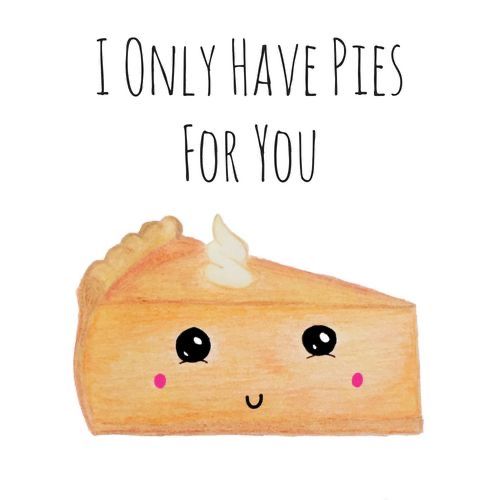
| Visual | Combines language with images or visual context | A picture of a pear with the caption “We make a great pear.” |
| Contextual | Uses a familiar phrase in an unexpected situation | A gardener saying, “Business is blooming.” |
These categories demonstrate the flexibility of humorous language. Some expressions depend entirely on sound, while others require a specific situation or visual reference. The most effective examples usually match the audience’s vocabulary and experience.
In casual communication, simplicity often matters more than complexity. A short expression that people understand immediately is usually more enjoyable than a complicated joke requiring a lengthy explanation. Creative language works best when the listener can recognize the connection without interrupting the natural flow of conversation.
How Wordplay Encourages Creativity and Flexible Thinking
Discovering New Connections Between Familiar Words
Creativity involves recognizing relationships between ideas that may initially appear unrelated. Language provides many opportunities for this process because individual words can represent different objects, emotions, actions, and experiences.
Creating Puns encourages people to examine familiar expressions from alternative perspectives. A person might begin with an everyday word, identify its different meanings, and imagine situations where those meanings overlap. This exercise promotes flexible thinking and attention to linguistic detail.
For example, someone thinking about the word “current” may recognize its relationship to electricity, flowing water, and the present moment. Each meaning creates opportunities for playful statements. Although not every attempt becomes a successful joke, exploring these connections can improve vocabulary awareness and creative expression.
Encouraging Playful Problem-Solving
Creative wordplay also demonstrates that familiar information can be approached in multiple ways. This habit of reconsidering assumptions has applications beyond humor, including brainstorming, storytelling, advertising, and informal problem-solving.
When people exchange amusing phrases, they practice generating alternatives and responding spontaneously. A conversation may begin with one joke and develop into several related expressions, each requiring participants to recognize new possibilities.
This does not mean that telling jokes automatically improves every form of intelligence or problem-solving. Instead, language play provides an accessible opportunity to practice mental flexibility. It encourages curiosity about words and reminds people that communication can involve experimentation as well as information exchange.
The Growing Role of Wordplay in Digital Communication
Making Social Media Content More Engaging
Digital communication has changed how people share humor. Short captions, comments, memes, and messages allow creative expressions to reach audiences quickly. In environments where users encounter large amounts of content, memorable wording can help a message stand out.
Puns are especially suitable for short digital formats because they can communicate an amusing idea in very few words. A coffee shop might post a caption saying, “Espresso yourself,” while a bookstore could describe a promotion as a “novel opportunity.” These examples connect humor directly to the subject being discussed.
Social media audiences also enjoy participating in creative exchanges. A playful caption may encourage followers to respond with similar expressions, share the post, or contribute their own interpretations. However, successful engagement depends on relevance, originality, and audience preferences rather than wordplay alone.
Adding Personality to Online Conversations
Text-based communication sometimes lacks the facial expressions, vocal tone, and gestures that help people interpret intentions during face-to-face discussions. Playful wording can introduce warmth and personality, making messages feel less mechanical.
For example, a friend sending a picture of homemade bread might write, “I knead your opinion.” The expression communicates a request for feedback while adding humor. It also creates an opportunity for the recipient to respond playfully.
Nevertheless, written jokes can sometimes be misunderstood. People from different linguistic backgrounds may not recognize the intended double meaning, while unfamiliar audiences might interpret the message literally. Using clear context and avoiding humor during sensitive discussions helps maintain effective digital communication.
Using Humor Effectively in Professional Environments
Workplace communication often requires a balance between professionalism and approachability. Appropriate humor can make interactions feel more comfortable, particularly during team discussions, presentations, and informal conversations.
A manager introducing a brainstorming session might encourage employees to “think outside the inbox” when discussing email-related challenges. The expression creates a playful variation of a familiar phrase while remaining relevant to the task.
When used carefully, Puns can also make training materials, presentation headings, and internal communications more engaging. A memorable heading may help employees recognize the subject and approach the material with greater interest. However, clarity must remain the priority, especially when communicating safety procedures, financial information, or important organizational decisions.
Humor should also respect cultural and individual differences. Not everyone enjoys the same style of comedy, and jokes based on language may be difficult for international colleagues to interpret. Professional communication benefits most from humor that is inclusive, understandable, and connected to the situation.
How Teachers and Students Benefit From Creative Language
Education becomes more engaging when learners actively participate in understanding information. Wordplay can support this participation by encouraging students to examine vocabulary, pronunciation, spelling, and multiple meanings.
For younger learners, playful expressions can introduce the idea that words have different interpretations depending on context. A teacher discussing astronomy might say, “The lesson is out of this world,” creating a connection between the subject and an expression of excitement.
Older students can explore more complex linguistic relationships through literature, creative writing, and language exercises. Analyzing why a joke works requires attention to vocabulary and sentence structure, making humor a useful supplementary teaching technique.
Teachers should ensure that humorous examples reinforce the learning objective. When a joke becomes more complicated than the concept being taught, it may create confusion instead of understanding. Effective educational humor is simple, relevant, and supported by clear explanations.
Practical Ways to Add More Wordplay to Daily Conversations
Developing a natural sense of verbal humor does not require becoming a professional comedian. It begins with paying attention to ordinary expressions and recognizing opportunities for alternative meanings.
A few practical habits can make the process easier:
- Notice double meanings: Look for familiar words that have more than one definition.
- Use relevant situations: Connect playful expressions to the topic already being discussed.
- Keep jokes simple: Choose wording that listeners can understand without lengthy explanations.
- Respect the audience: Consider age, language familiarity, cultural background, and emotional context.
- Practice naturally: Experiment during relaxed conversations without trying to turn every sentence into a joke.
The most important principle is moderation. Humor feels spontaneous when it emerges naturally from a conversation. Repeated attempts to insert jokes into every exchange can interrupt communication and make the interaction feel forced.
Listening is equally important. Observing how others respond helps identify which expressions work and which ones are better avoided. Over time, this awareness makes playful communication more comfortable and effective.
Why Some Jokes Become Lasting Memories
People often remember unusual conversations because they are connected to meaningful situations. A funny remark during a family dinner, an amusing misunderstanding during a journey, or a clever response during a difficult day may become a story that participants repeat for years.
Puns can contribute to these memories because they compress a shared experience into a recognizable phrase. When someone repeats the original expression, others may immediately remember the setting, people, and emotions associated with it.
These shared references can strengthen relationships by creating continuity between past and present experiences. Families often develop expressions that outsiders do not fully understand, while friends may use humorous phrases as reminders of important moments.
The lasting value of such jokes comes from their emotional context rather than linguistic cleverness alone. A simple expression connected to an enjoyable memory may remain meaningful long after a more sophisticated joke has been forgotten.
Common Mistakes That Reduce the Effectiveness of Wordplay
Although wordplay can improve conversations, inappropriate timing or excessive use may reduce its impact. One common mistake is introducing humor during serious discussions where someone expects empathy, careful listening, or practical assistance.
Another mistake involves relying on expressions that are too complicated for the audience. If listeners must spend considerable time identifying the intended meaning, the conversation may lose momentum. Similarly, repeatedly explaining a joke can weaken its spontaneity.
Cultural differences also deserve attention. Expressions that work in one language may lose their meaning when translated. Regional slang, pronunciation differences, and unfamiliar references can make certain jokes difficult to understand.
Successful humor requires awareness of these limitations. Choosing appropriate moments, keeping expressions understandable, and responding respectfully to the audience are more valuable than trying to produce the cleverest possible sentence.
Frequently Asked Questions
1. Why do people enjoy wordplay in everyday conversations?
People enjoy wordplay because it introduces surprise, creativity, and humor into familiar situations. Recognizing an unexpected connection between words can create amusement and make conversations feel more engaging. Shared laughter may also strengthen social connections by creating enjoyable experiences between participants.
2. Can humorous wordplay improve communication skills?
Yes, practicing creative language can encourage vocabulary awareness, flexible thinking, and attention to context. It also provides opportunities to understand how audiences interpret different expressions. However, effective communication still depends on clarity, listening, empathy, and the ability to recognize when humor is appropriate.
3. Are playful expressions suitable for professional conversations?
They can be suitable when used carefully. Lighthearted expressions may make presentations, informal meetings, and workplace discussions more approachable. The humor should remain relevant, respectful, and easy to understand. Serious subjects generally require straightforward communication rather than unnecessary jokes.
4. Why are some word-based jokes difficult to translate?
Many jokes depend on pronunciation, spelling, or multiple meanings that are unique to a particular language. When translated, the words may no longer sound alike or share the same definitions. Translators sometimes need to create an entirely different expression to preserve the original humorous effect.
5. How can someone become better at creating clever jokes?
Improvement begins with reading widely, expanding vocabulary, observing everyday language, and experimenting with different interpretations of familiar words. Listening to how others use humor can also help develop an understanding of timing and context. Regular practice makes creative expression feel increasingly natural.
6. Do humorous expressions help people remember information?
Humorous expressions can support memory when they attract attention and connect meaningfully with the information being presented. An unexpected phrase may make an idea more distinctive. However, the effect varies depending on the individual, the learning environment, and whether the humor reinforces or distracts from the main message.
Conclusion
Everyday communication becomes more meaningful when it includes creativity, warmth, and genuine human connection. Clever wordplay offers a simple way to introduce these qualities into ordinary interactions. By transforming familiar expressions into unexpected combinations, it encourages laughter, captures attention, and creates opportunities for shared experiences.
The appeal of Puns extends beyond entertainment. They can support friendships, encourage linguistic creativity, add personality to digital messages, and make educational or professional communication more engaging. Their effectiveness depends on timing, relevance, clarity, and sensitivity to the audience.
Ultimately, memorable conversations are not always defined by important announcements or lengthy discussions. Sometimes, a small moment of humor is enough to turn an ordinary exchange into a lasting memory. When used thoughtfully, creative language reminds people that communication is not simply about exchanging information but also about enjoying the experience of connecting with others.