

Introduction
Language is one of the most fascinating tools humans use to communicate, express emotions, and connect with others. Beyond sharing information, words can entertain, surprise, and create unforgettable moments. One particularly enjoyable form of humor comes from using familiar expressions in unexpected ways. A simple sentence can suddenly become hilarious when its meaning changes through clever wordplay. This type of humor appears in everyday conversations, books, advertisements, television shows, and social media posts. It demonstrates that laughter does not always require complicated stories or elaborate jokes. Sometimes, a single word with two possible meanings can create an amusing experience.
Puns have entertained people for centuries because they combine creativity, language, and unexpected interpretations. Their appeal comes from the surprising connection between words that sound similar or carry different meanings. A joke about a bicycle being unable to stand because it is “two-tired” demonstrates how ordinary language can become entertaining through a small change in interpretation. Although these jokes may appear simple, they involve interesting mental processes that help people recognize linguistic patterns and understand multiple meanings simultaneously.
In today’s digital world, wordplay remains an important part of entertainment and communication. People share clever expressions through memes, captions, advertisements, and online conversations. Whether someone enjoys lighthearted jokes or sophisticated linguistic humor, understanding how wordplay functions can make language more enjoyable. Exploring its origins, different forms, psychological effects, and modern applications reveals why simple words continue to generate endless laughter.
What Are Puns and Why Do People Find Them Funny?
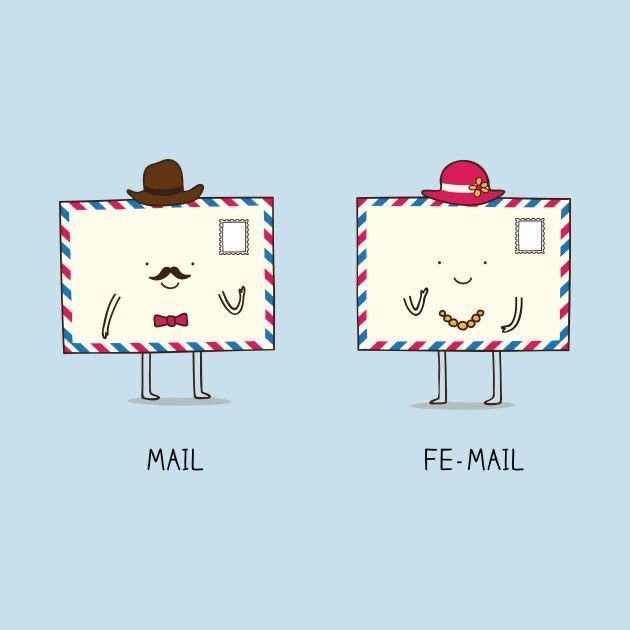
Puns are a form of wordplay that creates humor by exploiting similarities in pronunciation, spelling, or meaning. They often involve words that sound alike but represent different ideas, or expressions that can be interpreted in more than one way. The humor emerges when listeners recognize an unexpected interpretation that changes the original meaning of a sentence. For example, the statement “I used to be a baker, but I couldn’t make enough dough” plays with the word “dough,” which refers both to a baking ingredient and, informally, to money. This double meaning creates a humorous connection between baking and earning a living.
What makes this form of humor particularly interesting is its dependence on audience participation. The listener must recognize the alternative meaning to understand the joke completely. Unlike physical comedy, which often produces an immediate visual reaction, linguistic humor requires a brief moment of mental processing. That moment of realization frequently makes the joke more satisfying. The brain identifies an unexpected relationship between familiar concepts, creating surprise and amusement. Even when the joke is intentionally silly, its clever construction can make it memorable and enjoyable.
The Fascinating History of Wordplay and Language Humor
Wordplay has existed throughout recorded human history, appearing in ancient literature, religious texts, theatrical performances, and everyday storytelling. Early civilizations used linguistic ambiguity to entertain audiences and communicate deeper meanings. Ancient Egyptian writings included examples of playful language, while Greek and Roman authors explored double meanings in philosophical discussions, poetry, and dramatic performances. These traditions demonstrate that people have long appreciated the ability of language to express multiple ideas simultaneously.
During the Renaissance, wordplay became especially prominent in English literature and theater. William Shakespeare frequently used double meanings, witty exchanges, and humorous expressions to develop characters and entertain audiences. His plays demonstrate how language-based jokes can create comedy while revealing personality, relationships, and social attitudes. Later, writers, comedians, and newspaper editors continued developing creative expressions that appealed to different audiences. Today, the same linguistic principles remain relevant, although modern communication platforms allow clever jokes to spread more quickly than ever before.
Different Types of Wordplay That Create Humor
Understanding the various forms of wordplay helps explain why certain jokes are effective. Although many humorous expressions rely on similar principles, they use different linguistic techniques to create surprising connections. Some depend on pronunciation, while others use spelling, sentence structure, or multiple meanings.
Homophonic Wordplay
Homophonic humor involves words that sound alike but have different meanings or spellings. The similarity in pronunciation creates an opportunity for an unexpected interpretation. For example, the joke “Why did the scarecrow win an award? Because he was outstanding in his field” uses an expression that can describe both exceptional achievement and literally standing outside in a field. Although this example also depends on multiple meanings, it illustrates how familiar phrases can acquire humorous interpretations through context.
Homographic Wordplay
Homographic humor involves words that share the same spelling but have different meanings, and sometimes different pronunciations. Consider the word “bat,” which can describe a flying mammal or a piece of sporting equipment. A humorous sentence can create confusion by introducing one meaning before revealing another. This technique works especially well in written communication because readers initially interpret the word according to the surrounding context.
Compound and Double-Meaning Wordplay
Some jokes combine several linguistic interpretations within one sentence. Others rely on expressions that carry both literal and figurative meanings. For example, “The math teacher had too many problems” connects mathematical exercises with personal difficulties. The humor works because both interpretations are reasonable within the sentence. These techniques demonstrate how ordinary vocabulary can produce surprisingly creative results without requiring complicated language.
Common Types of Wordplay With Examples
The following table illustrates several techniques used to create entertaining linguistic humor.
| Type | Example | Why It Works |
|---|---|---|
| Homophonic | “The bicycle was two-tired.” | Plays on the similar sounds of “too tired” and “two-tired.” |
| Homographic | “The bass player caught a bass.” | Uses identical spelling for words with different pronunciations and meanings. |
| Double meaning | “The calendar’s days are numbered.” | Combines numbered dates with the expression describing limited time. |
| Compound | “A sign-making business is where you can make a name for yourself.” | Connects creating physical names with building a reputation. |
| Visual wordplay | A bakery sign saying “We knead you.” | Uses the similarity between “knead” and “need.” |
These examples show that humor can emerge from several different linguistic relationships. The effectiveness of each joke depends on context, timing, and the audience’s familiarity with the expressions involved. Some jokes are immediately understandable, while others require additional thought before their humorous meaning becomes clear.
Why the Human Brain Enjoys Clever Wordplay
Humor involving language provides an interesting example of how the human brain processes unexpected information. When people hear a sentence, they generally interpret it according to the most likely meaning. However, a cleverly constructed joke introduces an alternative interpretation that challenges the original assumption. Recognizing this unexpected meaning creates a small mental shift that can produce amusement.
Researchers studying humor often discuss the importance of incongruity and resolution. Incongruity occurs when something does not match expectations, while resolution involves understanding why the surprising connection makes sense. A successful joke encourages the listener to move between these stages quickly. For example, the statement “I wondered why the baseball kept getting bigger, then it hit me” initially suggests a realization before revealing a literal physical interpretation. The surprise comes from discovering that the phrase “hit me” has two meanings.
This process can also involve cognitive flexibility, which refers to the ability to consider different interpretations or approaches. Understanding linguistic jokes requires recognizing that one expression may communicate several ideas. Although enjoying wordplay does not automatically improve intelligence or memory, it provides an entertaining opportunity to practice flexible thinking and language interpretation.
How Puns Improve Everyday Communication
Humor can make ordinary conversations more engaging, particularly when people want to create a relaxed atmosphere. A clever expression can transform a routine interaction into a memorable exchange. Friends frequently use playful language to entertain one another, while teachers may introduce humorous examples to make complicated subjects more approachable. In professional environments, lighthearted wordplay can occasionally help reduce tension and encourage friendly communication.
Puns can also make information easier to remember because unusual phrases attract attention. An entertaining expression may remain in someone’s memory longer than an ordinary statement, especially when it connects directly to the topic being discussed. For example, a gardening instructor might say, “Let’s get to the root of the problem” while explaining plant health. The phrase reinforces the subject through a familiar expression with an additional literal meaning.
However, successful communication requires understanding the audience. A joke that works among close friends may not be appropriate during a serious business discussion. Cultural differences, language proficiency, and personal preferences can also influence whether someone understands or appreciates the humor. The most effective approach is to use wordplay naturally rather than forcing jokes into every conversation.
The Growing Popularity of Wordplay in Digital Culture
Digital communication has created new opportunities for creative language. Social media platforms encourage users to express ideas through short captions, comments, memes, and humorous posts. Because wordplay often requires only a few words, it fits naturally into these formats. A clever sentence can communicate humor quickly without requiring a lengthy explanation.
Puns are especially popular in digital marketing, social media captions, and online entertainment because they can make ordinary messages more distinctive. Restaurants, bookstores, coffee shops, and lifestyle brands frequently use playful expressions to communicate their personalities. A coffee business might use “Espresso yourself” to encourage creativity, while a bookstore could promote a reading event with “Booked for the weekend.” These expressions combine familiar vocabulary with relevant business themes.
In 2026, the growth of generative artificial intelligence has also made it easier to brainstorm jokes, captions, and alternative phrases. However, producing a large number of word combinations does not guarantee that every joke will be funny. Human judgment remains important for recognizing context, originality, emotional tone, and cultural relevance. The most engaging examples often succeed because they feel spontaneous and naturally connected to the situation.
How to Create Your Own Clever Word Jokes
Creating original wordplay is a skill that develops through observation, experimentation, and familiarity with language. The process usually begins by identifying words with multiple meanings or similar pronunciations. Everyday subjects such as food, animals, technology, sports, and relationships provide plenty of opportunities for humorous connections.
A useful starting point is to choose a familiar topic and explore vocabulary associated with it. For example, someone creating jokes about music might consider words such as “note,” “scale,” “beat,” and “pitch.” Each word has meanings beyond music, making it possible to develop unexpected interpretations.
A simple creative process includes:
- Choose a familiar subject: Start with everyday topics that most people understand.
- Identify flexible words: Look for expressions with multiple meanings or similar sounds.
- Build a natural sentence: Create a situation where both interpretations make sense.
- Introduce a surprise: Reveal the unexpected meaning near the end.
- Test the humor: Share the joke and observe whether people understand it.
The strongest jokes usually feel effortless, even when considerable thought goes into their construction. Avoid adding unnecessary explanations inside the joke because excessive detail can weaken the surprise. Short, clear expressions often work best, especially when the audience can recognize the alternative meaning immediately.
Why Timing and Context Matter in Language-Based Humor
Timing plays an important role in nearly every form of comedy. Even a clever joke may lose its effectiveness when delivered at the wrong moment. Wordplay often works best when the listener has enough context to establish an expectation before encountering the surprising interpretation. If the punchline arrives too early, the audience may not understand the intended connection. If it arrives too late, the joke may feel predictable.
Context also influences the emotional response. A playful comment during a friendly conversation may create laughter, while the same statement during a serious discussion could seem inappropriate. Skilled communicators recognize these differences and adapt their humor accordingly. In written content, punctuation, sentence structure, and surrounding information can provide the context needed for readers to understand a joke. In spoken communication, tone of voice, facial expressions, and pauses can strengthen the delivery. Effective humor therefore depends not only on choosing the right words but also on presenting them in the right situation.
The Role of Wordplay in Education and Language Learning
Teachers and language learners can use humorous expressions to explore vocabulary, pronunciation, and sentence meaning. Wordplay encourages students to notice linguistic relationships that might otherwise go unnoticed. For example, examining the different meanings of “light” can help learners understand how one word may describe brightness, weight, or seriousness depending on context.
In English language education, Puns can provide enjoyable examples of homophones, homonyms, and figurative expressions. However, learners may initially find these jokes challenging because understanding them often requires cultural knowledge and familiarity with informal vocabulary. Teachers can make the process easier by explaining the literal and alternative meanings before encouraging students to create their own examples.
This approach can make language lessons more interactive while helping students develop awareness of ambiguity. It also encourages learners to ask questions about why certain expressions are humorous. Rather than treating vocabulary as isolated definitions, students begin recognizing how words interact with context, pronunciation, and cultural expectations.
How Businesses Use Wordplay to Build Memorable Brands
Businesses frequently use clever language to create memorable advertising messages. A short phrase that connects a product with an unexpected meaning can attract attention and help customers recognize a brand’s personality. Food businesses are particularly well suited to this approach because ingredients, cooking methods, and familiar expressions provide numerous opportunities for creative language.
For example, a bakery might use “Life is what you bake it,” while a fitness business could promote a class with “No more excuses, it’s time to work it out.” These expressions connect recognizable phrases with relevant products or services. Their effectiveness depends on how naturally the joke communicates the intended message.
Puns can help brands sound approachable, playful, and distinctive, but excessive wordplay may reduce clarity. A slogan should still communicate something meaningful about the business. If customers must spend too much time interpreting a joke, the message may become less effective. Successful branding balances creativity with simplicity, ensuring that humor supports rather than distracts from the main idea.
Why Some People Love Word Jokes While Others Groan
Not everyone responds to language-based humor in the same way. Some people enjoy the cleverness of unexpected word connections, while others consider these jokes predictable or deliberately silly. Interestingly, the exaggerated groan often associated with a simple joke can become part of the entertainment itself.
This reaction occurs because audiences may recognize the structure of a joke before hearing its conclusion. When the punchline confirms an obvious or intentionally awkward connection, listeners sometimes respond with amused frustration. The humor comes partly from recognizing that the joke is not particularly sophisticated yet still appreciating the effort behind it.
Personal experience also shapes humor preferences. Someone who enjoys language, literature, or creative writing may appreciate subtle double meanings, while another person may prefer storytelling, observational comedy, or physical humor. Neither preference is inherently better. Humor is subjective, and different styles serve different emotional and social purposes.
Cultural Differences and the Challenge of Translation
Language-based humor can be difficult to translate because words rarely have identical relationships across different languages. A joke that depends on two English words sounding alike may become meaningless when translated directly into Hindi, Spanish, French, or another language. Translators must often replace the original joke with a different expression that creates a similar humorous effect.
Cultural references can create additional challenges. Some jokes rely on local expressions, familiar traditions, or regional pronunciation. Audiences unfamiliar with these details may understand the literal sentence without recognizing its intended humor. This does not necessarily mean the joke is poorly written; it simply demonstrates how closely language and culture are connected.
Despite these challenges, wordplay exists across many languages and societies. Different linguistic systems offer unique opportunities for double meanings, similar sounds, and creative expressions. Exploring humor across cultures can reveal interesting differences in communication while highlighting the shared human enjoyment of surprise and creativity.
Frequently Asked Questions
1. What is the main purpose of a pun?
The main purpose is to create humor through an unexpected relationship between words or meanings. A pun can entertain an audience, make communication memorable, or introduce a playful tone into an ordinary situation. It may also serve literary, educational, or advertising purposes depending on the context.
2. Why are Puns considered a form of intelligent humor?
Understanding this type of humor often requires recognizing multiple meanings, identifying linguistic similarities, and interpreting context. These processes involve language comprehension and flexible thinking. However, enjoying or creating such jokes should not be treated as a direct measure of intelligence, because humor preferences vary widely among individuals.
3. Can wordplay help improve vocabulary?
Wordplay can support vocabulary learning by encouraging people to explore alternative meanings, pronunciation patterns, and related expressions. It is particularly useful when combined with clear explanations and practical examples. Learners may remember unfamiliar vocabulary more easily when it appears in an entertaining context, although consistent practice remains important.
4. Why do some word jokes seem funny even when they are predictable?
Predictability can become part of the joke itself. When listeners anticipate a deliberately silly punchline, they may laugh at the obviousness of the connection or the playful delivery. Familiarity, social interaction, and the speaker’s personality can also influence how amusing the joke feels.
5. Are word-based jokes effective in professional communication?
They can be effective when used appropriately. A relevant joke may make a presentation more engaging, create a friendly atmosphere, or help an audience remember an important message. However, professional communication requires sensitivity to the audience, cultural differences, and the seriousness of the subject.
6. How can beginners become better at creating humorous wordplay?
Beginners can improve by reading creative writing, observing everyday expressions, and experimenting with words that have multiple meanings. Studying successful jokes helps reveal how setup, surprise, and context work together. Regular practice and feedback can gradually improve originality, clarity, and comedic timing.
Conclusion
Language becomes more entertaining when familiar words reveal unexpected meanings. From ancient storytelling traditions to modern digital conversations, clever wordplay has remained an enjoyable form of human expression. Its appeal lies in the surprising connections between ordinary vocabulary, allowing simple sentences to create memorable moments of humor.
Puns demonstrate that laughter does not always require elaborate performances or complicated stories. Sometimes, a familiar expression presented from a different perspective is enough to make people smile. Beyond entertainment, this form of humor can encourage linguistic curiosity, support creative communication, and make educational or promotional messages more engaging.
As communication continues evolving through digital platforms, artificial intelligence, and changing cultural trends, creative language will remain an important part of how people connect. The ability to discover unexpected meanings in everyday words reminds us that humor is often hidden in the simplest expressions. With imagination, thoughtful timing, and an appreciation for language, even ordinary conversations can become opportunities for endless laughter.