

Introduction
Humor has always been an important part of human communication, helping people express emotions, build relationships, and make everyday experiences more enjoyable. Among the many forms of humor, wordplay holds a special place because it combines creativity, language, and unexpected meanings. A simple sentence can become entertaining when familiar words are used in surprising ways. This clever approach to communication has entertained audiences for centuries and continues to influence conversations, entertainment, advertising, and digital culture.
Puns are particularly interesting because they transform ordinary language into something memorable and amusing. They often rely on words that sound similar, have multiple meanings, or create unexpected connections between different ideas. While some people appreciate their cleverness, others respond with playful groans. Both reactions demonstrate how effectively wordplay captures attention and creates emotional responses. Even a simple joke can encourage people to think differently about familiar expressions.
In today’s fast-moving digital environment, humor has become an essential part of online communication. Social media posts, advertisements, memes, and short videos frequently use creative language to entertain audiences. Understanding how wordplay functions helps explain why certain jokes become popular, how language influences humor, and why clever expressions remain relevant across generations.
What Are Puns and How Do They Work?
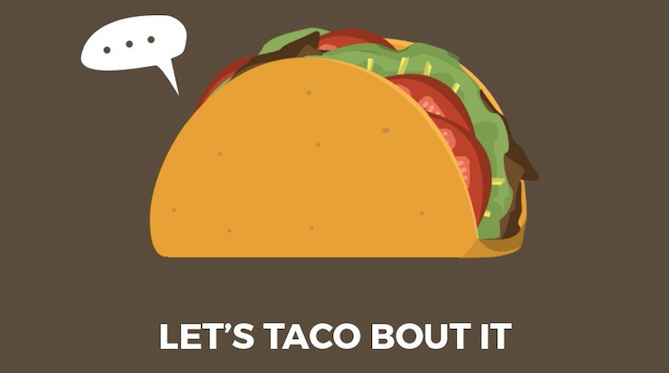
A pun is a form of wordplay that creates humor by using different meanings of a word or similarities between words. Unlike jokes that depend on long stories or elaborate setups, wordplay often produces laughter through a brief and unexpected linguistic connection. The listener recognizes the intended meaning while simultaneously discovering another interpretation. This moment of realization creates the humorous effect.
For example, consider the sentence, “I used to be a baker, but I couldn’t make enough dough.” The word “dough” refers both to a baking ingredient and, informally, to money. The humor comes from connecting these meanings within the same sentence. Similarly, the expression “The calendar’s days are numbered” creates amusement by combining a literal observation with a familiar phrase suggesting that something will soon end.
The effectiveness of this type of humor depends on shared language knowledge. People must recognize the alternative meanings to understand the joke. Cultural background, vocabulary, and context can therefore influence whether an expression feels amusing or confusing. This relationship between language and interpretation makes wordplay an interesting subject in communication, psychology, and linguistics.
The Historical Development of Wordplay in Humor
Wordplay is not a modern invention. Ancient civilizations used double meanings, linguistic tricks, and clever expressions in storytelling, literature, and public performances. Writers and speakers discovered that language could communicate serious ideas while simultaneously entertaining audiences. These techniques appeared in dramatic performances, philosophical discussions, poetry, and traditional storytelling.
During the Renaissance, wordplay became especially prominent in English literature. William Shakespeare frequently used double meanings to develop characters, create comic situations, and introduce subtle commentary. His plays demonstrate that clever language can entertain audiences while adding complexity to conversations. Many of these expressions continue to interest readers because their humor operates on multiple levels.
As newspapers, magazines, radio, and television developed, linguistic humor reached broader audiences. Comic strips, comedy programs, and advertising campaigns introduced playful expressions into everyday life. Today, digital platforms allow creative language to circulate globally within seconds. Although communication methods have changed significantly, the underlying attraction remains consistent: people enjoy discovering unexpected meanings in familiar words.
Different Types of Puns Used in Everyday Language
Wordplay takes several forms, each producing humor through a slightly different linguistic technique. Understanding these variations helps explain why some expressions depend on pronunciation while others rely on meaning, spelling, or sentence structure.
Homophonic Wordplay
Homophonic wordplay involves words that sound alike but have different meanings or spellings. These expressions are especially effective in spoken conversations because listeners initially interpret the sound in one way before recognizing the alternative meaning.
For example, “The bicycle couldn’t stand on its own because it was two-tired” connects the phrase “too tired” with the word “tired,” suggesting a bicycle with two tires. The joke works because the pronunciation creates an unexpected relationship between physical exhaustion and an everyday object.
Homographic Wordplay
Homographic wordplay uses words that share the same spelling but carry different meanings. These expressions depend on the reader’s ability to recognize multiple interpretations within a sentence.
Consider the statement, “The fisherman was hooked on his new hobby.” The word “hooked” can describe something caught by a fishing hook or someone deeply interested in an activity. The sentence becomes amusing because both interpretations fit the context.
Compound and Contextual Wordplay
Compound wordplay combines multiple linguistic connections within a single expression. Contextual wordplay, meanwhile, depends heavily on the situation in which the joke appears. A phrase that seems ordinary in one setting may become humorous in another.
For example, a gardening business might use the slogan “We grow on you.” The expression connects plant growth with the familiar idea of gradually becoming more appealing. Such humor works particularly well in advertising because it links the message directly to the product or service.
The Psychology Behind Why Wordplay Makes People Laugh
Humor frequently develops when expectations are challenged. During ordinary communication, the brain predicts meanings based on vocabulary, sentence structure, and context. When a phrase suddenly introduces an alternative interpretation, the listener must reconsider the original meaning. This quick mental adjustment can create amusement.
Psychologists often discuss humor through the concept of incongruity, which describes the difference between what people expect and what actually occurs. Linguistic jokes frequently use this mechanism by establishing one interpretation and revealing another. The surprise is usually harmless, allowing the listener to enjoy the unexpected connection rather than experience confusion or discomfort.
Research into humor also suggests that understanding a joke involves cognitive processes such as language comprehension, memory, and flexible thinking. However, appreciating wordplay does not automatically improve intelligence or cognitive ability. Its value lies primarily in encouraging playful engagement with language and offering opportunities for enjoyable social interaction.
The emotional environment also matters. A familiar expression may feel entertaining among friends but inappropriate during a serious conversation. Timing, tone, and audience expectations influence how humor is received. Successful wordplay therefore involves both linguistic creativity and social awareness.
The Role of Puns in Modern Digital Culture
Digital communication has created new opportunities for short, memorable humor. Social media platforms encourage users to share content that captures attention quickly, making clever phrases especially suitable for captions, memes, comments, and short-form videos. A playful sentence can communicate an idea without requiring extensive explanation.
Online communities also develop their own humor styles. Gaming groups, entertainment communities, and professional networks frequently create jokes based on familiar terminology. These expressions strengthen group identity because understanding them requires shared knowledge. When people recognize a reference, they may feel a stronger sense of connection with others who understand the same joke.
Modern digital culture also allows humorous expressions to evolve rapidly. A phrase can inspire countless variations, becoming part of a wider online trend. However, trends often depend on cultural context, and expressions that work in one community may not translate effectively into another. This makes audience awareness particularly important when creating content intended for international readers.
How Wordplay Strengthens Everyday Communication
Communication involves more than transferring information. People also use language to express personality, establish trust, and create positive emotional experiences. Clever humor can make ordinary conversations feel warmer and more engaging when used appropriately.
For example, a teacher introducing a mathematics lesson might say, “Let’s solve our problems together.” Although the phrase is not necessarily a joke, its dual relevance to mathematics and everyday challenges can create a lighthearted atmosphere. Similarly, colleagues may use playful expressions during informal discussions to reduce tension and encourage friendly interaction.
Humor can also make messages easier to remember. When a phrase contains an unexpected linguistic connection, it may stand out from surrounding information. This is particularly useful in presentations, educational materials, and public communication. Nevertheless, humor should support the main message rather than distract from it. A clever expression loses its value when the audience remembers the joke but forgets the information.
The Importance of Wordplay in Advertising and Branding
Businesses frequently use creative language to attract attention and establish recognizable brand identities. In competitive markets, memorable communication can help distinguish one company from another. Wordplay offers a relatively simple way to make slogans, headlines, and promotional messages more engaging.
A coffee shop might use the phrase “Espresso yourself” to connect coffee with personal expression. A bakery could promote its products using “We’re on a roll.” These expressions are easy to understand because the humor relates directly to the business. They also create a friendly tone without requiring complicated explanations.
Puns can be particularly useful in marketing campaigns designed for casual, approachable brands. However, they are not suitable for every industry or situation. Organizations communicating sensitive financial, legal, or medical information may need a more straightforward tone. The most effective marketing language considers the audience, brand personality, and purpose of the message before introducing humor.
Examples of Wordplay Across Different Industries
| Industry | Example of Wordplay | Communication Purpose |
|---|---|---|
| Coffee shop | Espresso yourself | Creates a friendly brand personality |
| Bakery | We’re on a roll | Promotes products through humor |
| Gardening | Lettuce grow together | Encourages customer connection |
| Bookstore | Read between the wines | Promotes a themed social event |
| Fitness | Weigh to go! | Celebrates progress playfully |
| Photography | Focus on the good times | Connects services with memories |
These examples demonstrate how familiar expressions can be adapted to different industries. The strongest examples maintain a clear relationship between the language and the message being communicated.
How Puns Influence Social Relationships
Shared laughter can help people feel more comfortable with one another. During conversations, playful language often signals friendliness and encourages relaxed interaction. Friends and family members may develop recurring jokes that become part of their shared experiences, creating a sense of familiarity and belonging.
Wordplay can also function as a social invitation. When someone introduces a clever expression, others may respond with their own variations. This exchange turns an ordinary conversation into a collaborative activity. The enjoyment comes not only from the original joke but also from the creative interaction that follows.
However, humor is subjective. Some people enjoy frequent wordplay, while others prefer storytelling, observational comedy, or visual humor. Cultural differences and language proficiency can also affect understanding. Recognizing these differences allows speakers to use humor thoughtfully without assuming that everyone will respond in the same way.
The Educational Value of Linguistic Humor
Language education often becomes more engaging when students encounter examples that encourage curiosity. Wordplay introduces learners to multiple meanings, pronunciation patterns, idiomatic expressions, and contextual interpretation. These features make it a useful supplementary technique in vocabulary and reading activities.
For younger students, simple linguistic jokes can demonstrate that words do not always have a single meaning. A teacher might introduce the word “bright” and explain how it can describe both light and intelligence. A playful sentence involving these meanings can encourage students to explore language more actively.
For people learning English as an additional language, humorous expressions may initially be challenging because they depend on cultural knowledge and pronunciation. However, carefully explained examples can support deeper understanding of idioms and conversational language. Educational value comes from the explanation and discussion rather than from humor alone.
How to Create Clever and Memorable Wordplay
Developing original linguistic humor requires observation, vocabulary knowledge, and experimentation. Writers often begin with an ordinary word and explore its different meanings or similar-sounding alternatives. The goal is to discover a connection that feels surprising while remaining understandable.
A practical approach involves identifying familiar situations and choosing language closely related to them. For example, someone writing about photography might explore words such as focus, exposure, frame, and develop. These words have meanings beyond photography, creating opportunities for creative expressions.
Useful techniques include:
-
Choose words with multiple meanings or similar pronunciations.
-
Connect the expression to a familiar situation or topic.
-
Keep the sentence short enough for readers to recognize the joke.
-
Test whether the alternative meaning is clear without lengthy explanation.
-
Avoid forcing humor into situations where a direct message works better.
Practice helps writers recognize connections more naturally. Reading humorous literature, observing everyday conversations, and experimenting with alternative phrases can expand creative possibilities. Strong wordplay usually feels effortless to the audience, even when considerable thought has gone into its construction.
Common Mistakes That Make Wordplay Less Effective
Not every clever expression creates laughter. One common mistake is making the connection too complicated. When readers must spend excessive time interpreting a sentence, the humorous effect may disappear. Effective wordplay generally provides enough context for the audience to recognize both meanings quickly.
Another mistake involves using expressions that have little relationship to the surrounding topic. In advertising or educational writing, irrelevant humor can distract readers from the intended message. Repeating similar jokes too frequently may also reduce their impact, particularly when audiences begin anticipating the same pattern.
Writers should also consider whether a joke translates across languages or cultures. An expression based on English pronunciation may have no equivalent in another language. For international communication, clarity and accessibility are often more valuable than linguistic complexity.
The Future of Puns in Creative Communication
Technology continues to change how people produce, share, and experience humor. Artificial intelligence tools can now generate wordplay, suggest alternative phrases, and assist with brainstorming creative content. These capabilities may help writers explore more linguistic possibilities, although human judgment remains important for evaluating originality, relevance, and cultural sensitivity.
Short-form entertainment is also likely to remain an important setting for linguistic humor. Captions, interactive content, online communities, and digital advertising provide opportunities for concise expressions that encourage engagement. At the same time, audiences increasingly encounter large amounts of automatically generated material, making authentic personality and thoughtful creativity valuable qualities.
The future of wordplay will depend less on technological novelty than on its ability to connect with human experiences. People continue to enjoy surprise, shared understanding, and playful communication. As long as language contains multiple meanings and unexpected relationships, creative humor will remain possible.
Frequently Asked Questions
1. What makes a pun different from an ordinary joke?
A pun creates humor primarily through language, using multiple meanings or similar sounds to produce an unexpected interpretation. Ordinary jokes may rely on storytelling, character behavior, exaggerated situations, or surprising events. Although both forms can create laughter, linguistic humor places greater emphasis on the relationship between words and meanings.
2. Why do some people enjoy wordplay more than others?
Humor preferences vary according to personality, cultural background, language familiarity, and personal experiences. Some individuals enjoy recognizing clever linguistic connections, while others prefer visual comedy or storytelling. A person’s response may also depend on the situation and whether the expression feels natural or forced.
3. Can wordplay improve communication skills?
Exploring multiple meanings can encourage vocabulary development, linguistic awareness, and creative expression. Wordplay may also make conversations more engaging when used appropriately. However, communication skills develop through many activities, including reading, listening, writing, and interpersonal practice. Humor is best viewed as one useful element rather than a complete solution.
4. Are linguistic jokes suitable for professional communication?
They can be effective when the audience and situation support a friendly tone. Creative expressions may make presentations, marketing materials, and informal workplace conversations more memorable. However, professional communication should prioritize clarity, accuracy, and respect. Sensitive topics usually require straightforward language rather than humor.
5. Why are word-based jokes sometimes difficult to translate?
Many expressions depend on pronunciation, spelling, cultural references, or meanings that are specific to one language. A phrase that sounds clever in English may lose its effect when translated literally. Translators sometimes need to create a different expression that produces a similar humorous result rather than preserve the original wording.
6. How can beginners become better at creating wordplay?
Beginners can start by collecting words with multiple meanings and experimenting with familiar phrases. Reading humorous writing, studying idioms, and observing how people use language in everyday conversations can provide inspiration. The most important practice is creating expressions that feel natural, remain easy to understand, and fit the intended audience.
Conclusion
Wordplay remains one of the most accessible and creative forms of humor because it transforms familiar language into unexpected experiences. From historical literature to modern digital communication, clever expressions have entertained audiences, encouraged linguistic curiosity, and strengthened social interactions. Their effectiveness comes from combining recognizable meanings with surprising connections that invite people to think and smile.
Understanding Puns also reveals how closely humor is connected to communication, culture, and creativity. Whether used in classrooms, advertisements, social conversations, or online entertainment, thoughtful wordplay can make messages more memorable and enjoyable. The key is balancing creativity with clarity, recognizing audience preferences, and choosing the right moment for humor.
As communication continues to evolve, the appeal of clever language is unlikely to disappear. Technology may introduce new ways to create and share humorous expressions, but the pleasure of discovering an unexpected meaning remains distinctly human. When used naturally and thoughtfully, wordplay demonstrates that even ordinary words can create extraordinary moments of amusement.