

Photography is one of the most rewarding creative hobbies and professions in the world. It allows people to capture memories, tell stories, express emotions, and showcase unique perspectives. Whether you are a beginner using a smartphone or an experienced photographer with professional equipment, finding fresh inspiration can sometimes be challenging. This is where creative photography ideas become valuable.
Exploring new concepts helps photographers improve their skills while keeping the creative process exciting. The best images often come from experimenting with different techniques, subjects, lighting conditions, and compositions. By stepping outside your comfort zone, you can discover new ways to create memorable and impactful photographs.
This guide explores a variety of photography concepts suitable for all skill levels. From portraits and landscapes to product photography and creative projects, these suggestions can help spark your imagination. By applying these ideas and adapting them to your own style, you can create a diverse portfolio while continuously growing as a photographer.
Why Creative Photography Matters
Creativity is the foundation of exceptional photography. While technical skills such as camera settings and editing are important, creativity transforms ordinary images into remarkable visual stories. Creative photographers learn to see familiar subjects from fresh angles and present them in unique ways.
Trying different photography ideas encourages experimentation. Instead of repeatedly capturing the same type of image, photographers challenge themselves to explore new environments, lighting situations, and artistic approaches. This process helps develop a personal style and improves overall confidence behind the camera.
Creativity also enhances problem-solving abilities. Photographers frequently encounter difficult conditions such as poor lighting, crowded locations, or changing weather. A creative mindset allows them to adapt and turn challenges into opportunities. For example, dramatic shadows can become a compelling design element, while rainy weather can add mood and atmosphere.
Most importantly, creativity keeps photography enjoyable. Constant experimentation prevents boredom and ensures that every photo session becomes an exciting opportunity to learn and create something unique.
Landscape Photography Ideas
Landscape photography offers endless opportunities to capture the beauty of nature. Mountains, forests, beaches, deserts, and city skylines all provide stunning subjects that can be photographed in countless ways.
One effective technique is shooting during the golden hour. The warm light shortly after sunrise and before sunset creates soft shadows and vibrant colors. This lighting can dramatically improve landscape photographs and add depth to the scene.
Consider exploring different weather conditions. While sunny days are popular, fog, rain, snow, and storms often create more dramatic images. These conditions add atmosphere and uniqueness that stand out from traditional landscape shots.
Some landscape concepts include:
- Photographing reflections in lakes or rivers
- Capturing mountain ranges during sunrise
- Shooting coastal scenes with long exposure effects
- Exploring forests during autumn
- Creating panoramic images of wide landscapes
Using foreground elements such as rocks, flowers, or pathways can guide the viewer’s eye through the image and create a stronger composition.
Portrait Photography Ideas
Portrait photography focuses on capturing personality, emotion, and character. A successful portrait tells a story about the subject while highlighting their unique features.
Natural light portraits are a great starting point. Positioning a subject near a window or shooting outdoors during soft lighting conditions can create flattering results. Experimenting with different poses and expressions also adds variety to your portfolio.
Environmental portraits are particularly effective because they place subjects within meaningful surroundings. A chef in a kitchen, an artist in a studio, or an athlete on a field creates context and visual interest.
Creative portrait techniques include:
Using Colored Lighting
Colored LED lights or gels can create dramatic moods and artistic effects. Different colors communicate different emotions and can completely transform the appearance of a portrait.
Silhouette Portraits
Photographing subjects against bright backgrounds creates striking silhouettes. This technique emphasizes shape and composition rather than facial details.
Reflection Portraits
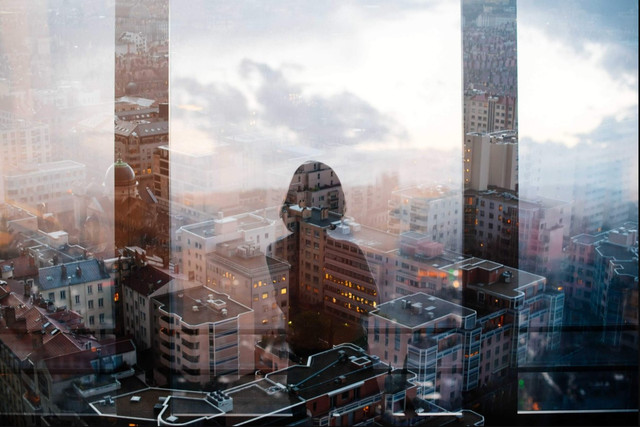
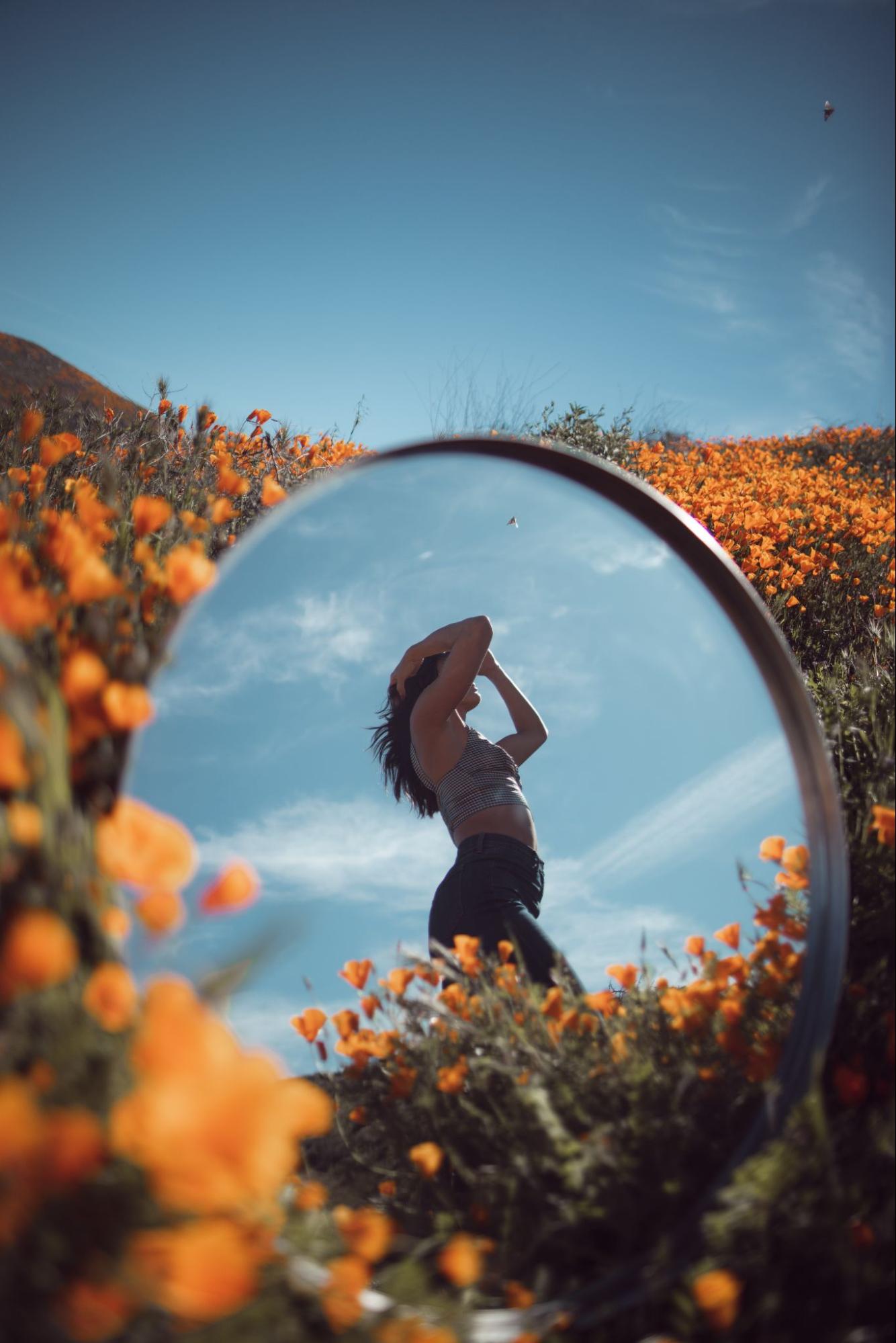
Mirrors, windows, and water surfaces can add depth and creativity to portrait images, producing unique visual effects.
These photography ideas help photographers create portraits that stand out and leave a lasting impression.
Street Photography Inspiration
Street photography captures everyday life in public spaces. It combines storytelling, observation, and spontaneity to create authentic images.
One of the most effective approaches is focusing on human interactions. Expressions, gestures, and moments of connection often tell compelling stories. Busy markets, transportation hubs, and city centers are excellent locations for discovering interesting scenes.
Street photographers should pay attention to light and shadow. Strong contrasts created by buildings and sunlight can transform ordinary moments into artistic compositions.
Interesting street photography projects include:
| Project Idea | Description |
|---|---|
| Daily Life Series | Document everyday activities in your city |
| Street Portraits | Capture portraits of interesting people |
| Urban Architecture | Focus on buildings and city structures |
| Market Photography | Photograph local markets and vendors |
| Transportation Stories | Document movement and travel scenes |
Patience is essential in street photography. Waiting for the right subject to enter a well-composed frame often leads to powerful results.
Nature and Wildlife Photography Ideas
Nature photography allows photographers to connect with the natural world while capturing stunning images of plants, animals, and ecosystems.
Macro photography is a fascinating area of nature photography. By photographing small subjects such as insects, flowers, and leaves, photographers reveal intricate details often invisible to the naked eye. Morning dew, textures, and patterns make excellent macro subjects.
Wildlife photography requires patience and preparation. Understanding animal behavior helps photographers anticipate movements and capture meaningful moments. Early mornings and late afternoons are often the best times to photograph wildlife because animals tend to be more active.
Some inspiring nature-focused photography ideas include photographing birds in flight, documenting seasonal changes, creating close-up images of flowers, and capturing dramatic weather events. Exploring local parks and nature reserves can provide countless opportunities without requiring extensive travel.
Product Photography Ideas
Product photography is essential for businesses, online stores, and marketing campaigns. High-quality product images influence purchasing decisions and strengthen brand identity.
Simple backgrounds are often the most effective choice because they keep attention focused on the product. White backgrounds are widely used for e-commerce, while creative backgrounds can add personality and style.
Lighting plays a crucial role in product photography. Soft, diffused lighting reduces harsh shadows and reveals product details clearly. Reflectors and light tents can improve image quality without requiring expensive equipment.
Creative product photography concepts include:
- Lifestyle product setups
- Flat lay arrangements
- Seasonal themed displays
- Floating product effects
- Reflection-based compositions
Experimenting with different angles and perspectives helps showcase products from their most attractive viewpoints. Consistency is particularly important when photographing multiple products for a brand or online store.
Creative Photography Projects for Beginners
Beginners often benefit from structured projects that encourage practice and skill development. These projects provide clear goals while helping photographers learn new techniques.
A popular challenge is the 365 Project, where participants take one photo every day for an entire year. This exercise improves observation skills and builds creative discipline.
Another effective project is choosing a single theme and exploring it extensively. For example, photographing doors, shadows, colors, or textures over several weeks can reveal surprising creative possibilities.
Additional beginner-friendly projects include:
Black and White Photography
Removing color encourages photographers to focus on light, contrast, shapes, and textures.
Minimalist Photography
Minimalism emphasizes simplicity by reducing distractions and highlighting a single subject.
One Lens Challenge
Using only one lens for an extended period helps photographers understand composition and perspective more deeply.
These photography ideas encourage growth while making learning more enjoyable and engaging.
Using Light Creatively
Light is the most important element in photography. Understanding how to use it effectively can significantly improve image quality and artistic impact.
Natural light offers incredible versatility. Soft morning light creates gentle tones, while midday sunlight produces stronger contrasts. Evening light often adds warmth and atmosphere to photographs.
Artificial lighting provides additional creative control. Flash units, LED panels, and studio lights allow photographers to shape light precisely according to their vision.
Creative lighting techniques include backlighting, side lighting, rim lighting, and low-key photography. Each approach creates a distinct mood and visual style. Experimenting with these techniques helps photographers develop a deeper understanding of how light influences composition and storytelling.
Mastering lighting is one of the most valuable skills a photographer can develop because it affects every type of photography, from portraits and landscapes to products and events.
Building a Unique Photography Style
Developing a personal style helps photographers stand out in a competitive industry. A recognizable style creates consistency across a portfolio and strengthens artistic identity.
The process begins with exploration. Trying different genres, editing techniques, and creative approaches helps photographers discover what resonates most with them. Studying successful photographers can provide inspiration, but originality should remain the ultimate goal.
Consistency is another key factor. Repeatedly using certain colors, compositions, subjects, or editing styles can create a distinctive visual signature. Over time, viewers begin to recognize a photographer’s work immediately.
Using fresh photography ideas regularly contributes to style development by encouraging experimentation and creative growth. Every project becomes an opportunity to refine techniques and discover new artistic directions.
Conclusion
Photography is a constantly evolving art form that rewards curiosity, creativity, and practice. Whether you enjoy landscapes, portraits, wildlife, street scenes, or product photography, there are countless ways to expand your skills and find inspiration. Exploring diverse photography ideas helps photographers break creative barriers, improve technical abilities, and develop a unique artistic voice.
read more: Beach Photography Ideas: Creative Ways to Capture Stunning Coastal Images