


Personal growth is a lifelong journey of improving yourself mentally, emotionally, professionally, and personally. It involves developing new skills, building healthy habits, strengthening your mindset, and becoming more aware of your strengths and weaknesses. In today’s fast-paced world, individuals who actively invest in personal development often experience greater confidence, stronger relationships, improved career opportunities, and a higher sense of fulfillment.
The path toward self-improvement is not about achieving perfection. Instead, it is about making consistent progress and learning from experiences along the way. Every challenge, success, and failure contributes to growth when approached with the right mindset.
Why Personal Growth Matters
Investing time in self-development provides benefits that impact nearly every area of life. Growth allows people to unlock their potential, improve decision-making abilities, and develop greater confidence.
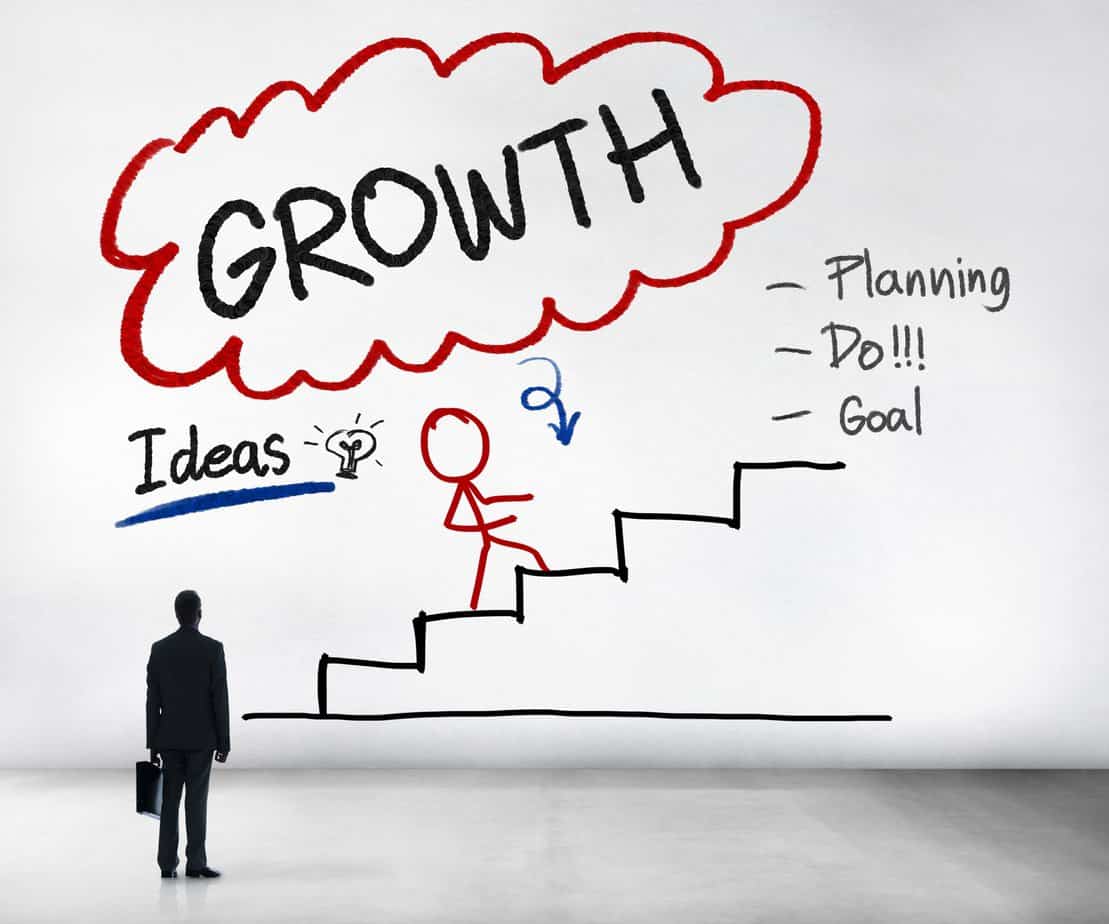
When you commit to personal growth, you become more aware of your strengths and areas that need improvement. This awareness enables you to make intentional choices instead of reacting impulsively to situations. Over time, this creates a stronger sense of control and purpose.
Growth also improves resilience. Life inevitably presents challenges, setbacks, and unexpected changes. Individuals who continuously develop themselves are better equipped to handle adversity and recover from difficult situations. Rather than viewing obstacles as failures, they see them as opportunities to learn and improve.
Additionally, self-improvement often leads to increased happiness. Achieving goals, learning new skills, and building positive habits contribute to a greater sense of accomplishment and satisfaction.
The Core Areas of Personal Growth
Understanding the different dimensions of development can help you create a balanced approach to self-improvement. While everyone’s journey is unique, most growth efforts fall into several key categories.
Mental Growth
Mental development focuses on expanding knowledge, improving critical thinking skills, and maintaining curiosity. Reading books, taking courses, learning new skills, and engaging in thoughtful discussions are effective ways to stimulate intellectual growth.
Emotional Growth
Emotional development involves understanding and managing emotions effectively. This includes building self-awareness, empathy, patience, and emotional resilience. Strong emotional intelligence contributes to healthier relationships and better stress management.
Physical Growth
Physical well-being plays a significant role in overall development. Regular exercise, nutritious eating habits, adequate sleep, and stress reduction support both physical and mental performance.
Professional Growth
Career development involves improving job-related skills, gaining experience, enhancing leadership abilities, and expanding professional networks. Continuous learning can help individuals stay competitive and achieve long-term career goals.
Social Growth
Developing communication skills, building meaningful relationships, and improving collaboration abilities contribute to social growth. Strong social connections often enhance happiness and overall life satisfaction.
Personal Growth Areas and Benefits
| Growth Area | Key Focus | Benefits |
|---|---|---|
| Mental Growth | Learning and critical thinking | Better decision-making |
| Emotional Growth | Self-awareness and resilience | Improved relationships |
| Physical Growth | Health and fitness | Increased energy |
| Professional Growth | Career development | Greater opportunities |
| Social Growth | Communication and networking | Stronger connections |
Building a Growth Mindset
A growth mindset is the belief that abilities and intelligence can improve through effort, learning, and persistence. People with this mindset view challenges as opportunities rather than obstacles.
Developing a growth mindset begins with changing how you interpret setbacks. Instead of thinking, “I cannot do this,” consider saying, “I cannot do this yet.” This simple shift encourages perseverance and continuous improvement.
Feedback also becomes valuable when adopting a growth mindset. Rather than taking criticism personally, successful individuals use constructive feedback to identify opportunities for development. They understand that improvement requires learning from mistakes and adjusting strategies accordingly.
Another important aspect is embracing challenges. Comfort zones may feel safe, but growth occurs when you stretch your abilities and try new experiences. Whether learning a new language, pursuing a promotion, or developing a creative skill, stepping outside familiar boundaries accelerates progress.
Setting Goals for Success
Goal setting is a powerful tool for achieving meaningful progress. Without clear objectives, growth efforts can become scattered and ineffective. Well-defined goals provide direction, motivation, and a framework for measuring progress.

Effective goals are specific, measurable, achievable, relevant, and time-bound. For example, instead of saying, “I want to improve my health,” a more effective goal might be, “I will exercise for 30 minutes five times per week for the next three months.”
Breaking large goals into smaller milestones makes them less overwhelming and easier to manage. Each completed milestone creates momentum and reinforces positive habits.
Tracking progress is equally important. Keeping a journal, using productivity apps, or conducting regular self-assessments helps maintain accountability and identify areas where adjustments may be necessary.
Consistency is often more important than intensity. Small daily actions performed consistently can produce remarkable results over time.
Developing Positive Habits
Habits shape much of daily behavior and significantly influence long-term outcomes. Positive habits support growth by automating beneficial actions and reducing reliance on motivation alone.
Creating effective habits starts with identifying behaviors that align with your goals. Consider the routines and actions that contribute to the results you want to achieve. Then focus on implementing them gradually rather than attempting drastic changes all at once.
Some habits that support personal growth include:
- Reading daily
- Exercising regularly
- Practicing gratitude
- Managing time effectively
- Learning new skills
- Maintaining a journal
- Prioritizing quality sleep
- Limiting distractions
Consistency is essential when building habits. Repeating small actions over time strengthens neural pathways and makes behaviors increasingly automatic. Patience is important because meaningful change rarely happens overnight.
Replacing negative habits with positive alternatives can also accelerate development. Instead of focusing solely on eliminating undesirable behaviors, concentrate on introducing productive routines that naturally support your objectives.
The Importance of Self-Reflection
Self-reflection is a powerful practice that allows individuals to evaluate their experiences, behaviors, and decisions. Taking time to reflect helps identify patterns, recognize strengths, and uncover opportunities for improvement.
Many successful people dedicate time each day or week to reviewing their actions and progress. This process encourages accountability and promotes continuous learning.
Questions that support meaningful self-reflection include:
- What went well today?
- What challenges did I face?
- What lessons did I learn?
- How can I improve moving forward?
- Am I aligned with my goals and values?
Journaling is one of the most effective self-reflection tools. Writing thoughts and experiences provides clarity, helps organize ideas, and creates a record of growth over time.
Regular reflection also strengthens self-awareness, which is a foundational element of personal growth. The better you understand yourself, the more effectively you can make decisions that support your long-term success.
Overcoming Obstacles to Growth
The journey of self-improvement often includes challenges that can slow progress. Common obstacles include fear of failure, lack of confidence, procrastination, negative thinking, and resistance to change.
Fear of failure frequently prevents people from pursuing opportunities. However, failure is often a valuable teacher. Each setback provides information that can guide future decisions and improve performance.
Procrastination is another common challenge. Breaking tasks into smaller steps and focusing on immediate actions can make large projects feel more manageable. Taking action, even when motivation is low, helps build momentum.
Surrounding yourself with supportive individuals can also make a significant difference. Positive influences encourage accountability, provide guidance, and help maintain motivation during difficult periods.
Maintaining realistic expectations is equally important. Growth is rarely a straight path. Progress may be slow at times, but persistence and consistency ultimately lead to meaningful results.
Creating a Lifelong Growth Plan
Long-term success requires a commitment to continuous improvement. Creating a personal development plan provides structure and helps ensure ongoing progress.
Start by assessing your current strengths, weaknesses, opportunities, and goals. Identify areas where improvement would have the greatest impact on your life. Then create specific action steps and timelines for achieving desired outcomes.
A sustainable growth plan should include:
- Clear short-term and long-term goals
- Daily and weekly habits
- Learning opportunities
- Progress tracking methods
- Regular self-assessments
- Flexibility for adjustments
Remember that personal growth is not a destination. It is an ongoing process of learning, adapting, and evolving. As circumstances change and new opportunities emerge, your goals and strategies may also evolve.
The key is maintaining a mindset of continuous improvement while celebrating achievements along the way.
Conclusion
Personal growth is one of the most rewarding investments you can make in yourself. By developing a growth mindset, setting meaningful goals, building positive habits, practicing self-reflection, and embracing challenges, you can create lasting improvements in every area of life.
Read more: Best Books for Personal Growth: A Complete Guide to Transforming Your Life