

Introduction
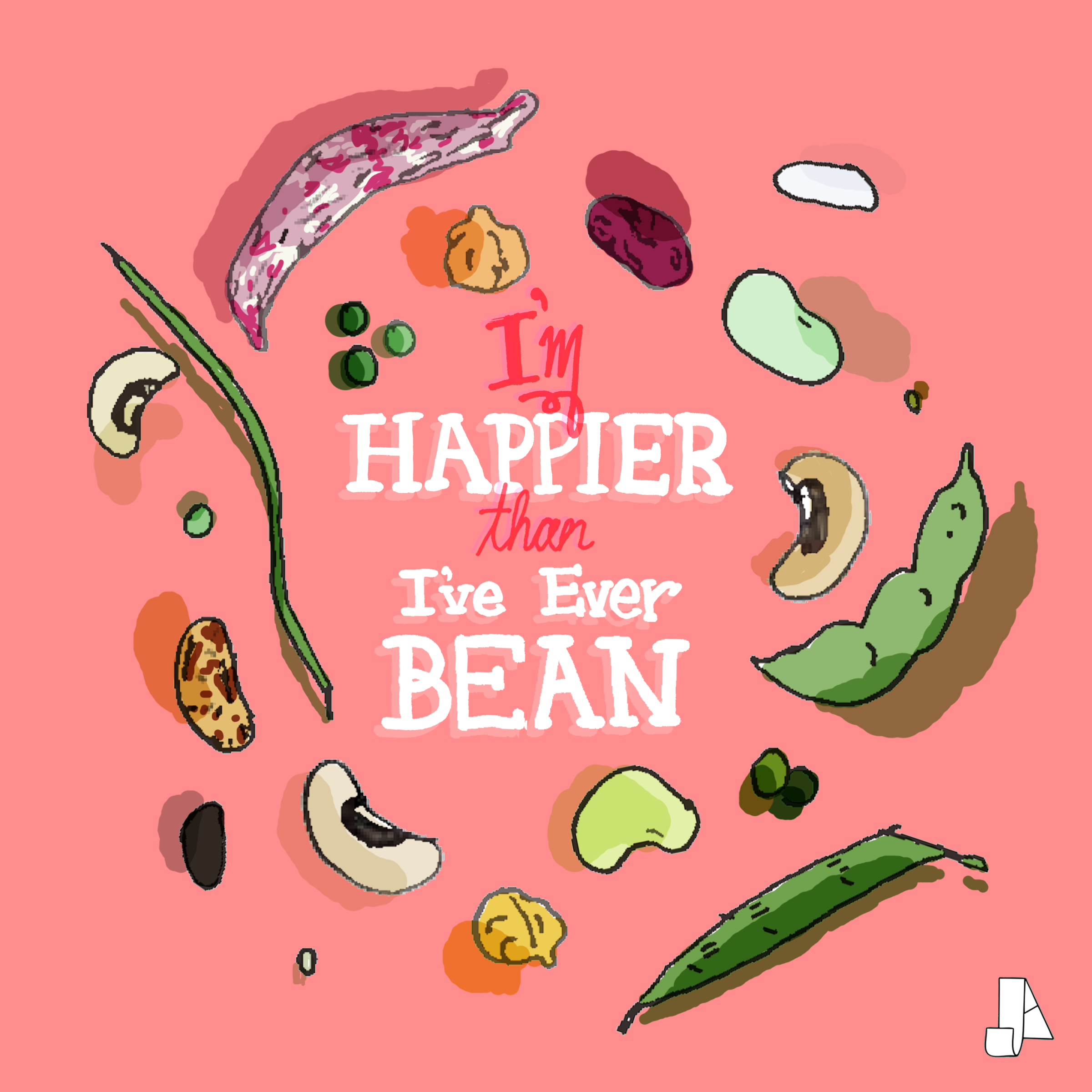
Food has a special way of bringing people together, whether it is around a family dinner table, at a party, in a restaurant, or during a casual conversation with friends. While delicious meals can satisfy hunger, playful language can satisfy the need for a good laugh. That is where food puns become especially entertaining. By combining familiar foods with clever wordplay, these humorous expressions can turn ordinary situations into memorable moments. From cheesy jokes to spicy one-liners, food-inspired humor can be surprisingly versatile. It can be used in social media captions, greeting cards, party invitations, restaurant promotions, conversations, or simply when someone wants to make another person smile. The best part is that these jokes do not require complicated setups. A short phrase, a familiar ingredient, or a clever twist on a common expression can create an instant laugh. For anyone who enjoys combining creativity with humor, food-themed wordplay offers almost endless possibilities.
Why Food Humor Is So Popular
Food is one of the most universal parts of everyday life. Almost everyone has favorite meals, ingredients, snacks, desserts, or drinks, which makes food-related humor easy to understand and enjoy. Unlike jokes that depend on highly specific knowledge, food wordplay often uses familiar concepts that people encounter regularly. A simple reference to pizza, pasta, cheese, cake, tacos, or coffee can immediately create a recognizable context. This accessibility is one reason food puns continue to appear in conversations, advertisements, social media posts, and entertainment.
Another reason this style of humor works so well is its flexibility. A food reference can be transformed into a joke about friendship, romance, work, celebrations, confidence, or everyday problems. Someone feeling stressed might say they need to “take a pizza the action,” while a person describing an excellent meal could call it “souper.” The humor comes from taking an ordinary phrase and giving it an unexpected culinary twist. This combination of familiarity and surprise makes food-based wordplay easy to remember and share.
The Appeal of Clever Food Wordplay
Good wordplay usually depends on language that has more than one possible meaning. Food provides plenty of opportunities for this because many ingredient names and cooking terms resemble common words or expressions. Cheese can become the center of a “grate” joke, while pasta can inspire playful phrases about having a good “time to shell-ebrate.” These small linguistic changes can completely transform a sentence without requiring a lengthy joke.
The appeal also comes from the lighthearted nature of the subject. Food is generally associated with enjoyment, comfort, celebration, and social connection. As a result, culinary humor often feels friendly rather than aggressive. It can work in situations where more complicated humor might feel inappropriate. Food puns can therefore be useful for people looking for harmless ways to add personality to their writing or conversations. They can make a caption sound more playful, make an invitation more memorable, or simply provide an easy way to brighten someone’s day.
Funny Ideas for Food Lovers
Food lovers have an enormous range of ingredients to choose from when creating humorous expressions. Cheese is especially popular because words such as “grate,” “cheesy,” and “curd” can inspire multiple jokes. Pizza offers another rich source of wordplay because its popularity makes almost any pizza reference instantly recognizable. Pasta, tacos, burgers, vegetables, desserts, and fruit can all become the foundation for clever expressions.
For example, a pizza enthusiast might say, “I never argue with pizza because it always has a good point.” A person who loves pasta could joke, “Life is better when you take things one noodle at a time.” Dessert fans might describe a wonderful cake as “a piece of happiness.” These examples demonstrate how simple food references can become playful statements. The strongest jokes usually remain short, understandable, and connected to a familiar phrase. That balance allows the humor to work naturally instead of sounding forced.
Food Puns for Social Media Captions
Social media captions are one of the most useful places for short food-related jokes. A photograph of a delicious meal can become much more engaging when paired with a clever caption. Instead of writing a straightforward description, users can add personality with a playful phrase. A picture of pizza might be accompanied by a line about having “a slice of the good life,” while a dessert photo could use a phrase such as “sweet moments deserve an extra serving.”
The key to an effective caption is keeping the wording relevant to the photograph. A clever phrase should complement the image rather than distract from it. Short expressions generally work best because people tend to scan social media quickly. Humor can also help a post feel more personal and memorable. Whether the goal is to share a restaurant experience, celebrate a homemade meal, or post a casual snack photo, a well-timed food joke can make the content stand out. Creative captions also provide an opportunity to show personality without writing a long explanation.
Food Puns for Parties and Celebrations
Celebrations provide another excellent opportunity for culinary wordplay. Birthday parties, dinner gatherings, weddings, picnics, and holiday events can all benefit from playful food-themed phrases. A party invitation might use a humorous line related to cake, while a dinner event could feature a clever reference to the menu. Even table signs and decorations can become more entertaining with simple jokes.
For birthdays, phrases connected to cake, candles, and sweetness are especially effective. A dessert table could have a playful sign suggesting that guests “take a sweet break.” A taco-themed gathering might use humorous language involving shells, spice, or salsa. These small details can make an event feel more thoughtfully designed without requiring an elaborate theme. When used appropriately, food puns can contribute to the atmosphere by making guests smile before they even begin eating.
Why Simple Puns Often Work Best
A successful pun does not need to be complicated. In fact, overly complex wordplay can sometimes reduce the humor because the audience has to spend too much time understanding the joke. The best food jokes are often immediately recognizable. They use a familiar expression and replace one word with a food-related alternative, creating a quick moment of surprise.
Timing is also important. A simple joke delivered at the right moment can be much funnier than an elaborate joke that feels unrelated. This principle applies to written content as well. A caption, message, or greeting should match the situation and audience. When the wording feels natural, the humor becomes more effective. Simplicity also makes these jokes easier to remember, repeat, and adapt. That is why short culinary wordplay continues to be popular among casual writers, content creators, and people who simply enjoy making their friends laugh.
Creative Ways to Make Your Own Food Jokes
Creating original food humor can be easier than it initially appears. Start with a familiar food and think about words that sound similar to its name. Next, consider common phrases that could be modified using those words. For example, “lettuce” sounds like “let us,” which opens the door to many playful sentences. Similarly, “dough” can be connected to “do,” while “grate” can replace “great” in an appropriate sentence.
Another approach is to think about the characteristics of the food itself. Something spicy can inspire jokes about heat or intensity. Something sweet can connect to kindness or affection. Crunchy foods can be used in jokes about texture or sound. This method gives writers more flexibility because the joke does not depend entirely on pronunciation. Experimenting with different combinations can lead to fresh expressions that feel personal rather than copied.
Food Puns for Friends and Family
Friends and family members are often the easiest audiences for food humor because casual conversations naturally allow playful language. A simple joke can turn an ordinary text message into something more entertaining. Someone bringing pizza to a gathering might receive a playful compliment, while a family member preparing dinner could be thanked with a humorous food-related expression.
These jokes can also become part of personal traditions. Families may develop their own recurring jokes based on favorite meals or cooking habits. Friends can create playful nicknames or phrases around shared restaurant experiences. Because the humor is connected to real experiences, it can become more meaningful than a generic joke. The food itself becomes a reminder of a shared moment, making the humor both amusing and memorable.
Using Food Humor in Everyday Writing
Food-related wordplay is not limited to jokes between friends. It can also add personality to everyday writing. Bloggers, content creators, event organizers, restaurants, and marketers can use playful language to make their messages more approachable. A humorous headline may encourage readers to stop and pay attention, while a clever description can make a product or event seem more inviting.
However, moderation is important. Using too many jokes can make writing feel repetitive or unnatural. One strong phrase is often more effective than several weak ones. The humor should also match the audience and purpose of the content. A playful social media post may welcome a very casual joke, while professional communication may require something more subtle. When used thoughtfully, food puns can add warmth and creativity without overwhelming the main message.
The Role of Food Puns in Modern Communication
Digital communication has created countless opportunities for short-form humor. People communicate through captions, comments, messages, memes, and short posts, all of which benefit from concise language. Food jokes fit naturally into these formats because they can communicate an idea in only a few words. Their visual connection to meals and recipes also makes them particularly suitable for lifestyle and food-related content.
Their popularity also reflects a broader interest in casual, relatable communication. People often prefer content that feels approachable rather than overly formal. A clever food reference can make a message sound friendly and conversational. This is especially useful for creators who want to build an enjoyable tone around their content. The combination of familiar foods, simple language, and unexpected wordplay creates a format that can easily be adapted to different platforms and audiences.
A Few Playful Food Expressions
There are countless ways to experiment with culinary humor. Here are some ideas that demonstrate the style:
- “Donut worry, be happy.”
- “Lettuce celebrate!”
- “You are kind of a big dill.”
- “Nacho average friend.”
- “I am very fondue of you.”
These expressions work because they modify familiar phrases while keeping the original meaning recognizable. Their simplicity makes them suitable for captions, cards, messages, or casual conversations. Writers can use the same technique with almost any ingredient by looking for words that sound similar or phrases that can be creatively adapted.
The important thing is not to rely only on familiar examples. Originality comes from observing language and finding unexpected connections. A common ingredient can produce a fresh joke when placed in an unusual context. That creative process is what makes food humor enjoyable to develop as well as enjoyable to read.
Conclusion
Food and humor are both powerful ways of creating connection, so combining them naturally produces an entertaining form of wordplay. From simple ingredient jokes to clever social media captions, culinary humor can make ordinary communication more memorable. The versatility of food provides an almost unlimited collection of themes, while familiar expressions make the jokes easy to understand.
Whether someone wants to entertain friends, create a playful caption, decorate a party, or add personality to everyday writing, food puns provide an easy and creative starting point. The best examples are usually short, relevant, and unexpected. With a little imagination, almost any meal can inspire a joke. After all, food may nourish the body, but a clever pun can certainly feed the sense of humor.