

Introduction
Humor is one of the simplest ways to make everyday life more enjoyable. Whether people are chatting with friends, spending time with family, or sharing entertaining content online, a clever joke can instantly improve the atmosphere. Among the many forms of humor, Puns have a special charm because they transform ordinary words into unexpected sources of laughter. They encourage people to think differently about language while enjoying playful expressions that can make even routine conversations memorable.
Wordplay has existed for centuries, appearing in literature, theater, storytelling, and everyday communication. Its lasting popularity comes from the way familiar words can carry surprising meanings. A simple sentence can become amusing when someone introduces an unexpected interpretation or combines similar-sounding expressions. This type of humor does not require elaborate storytelling or complicated setups. Sometimes, a few carefully chosen words are enough to create a memorable moment.
In today’s digital environment, humorous expressions have become even more visible. Social media captions, short videos, workplace conversations, and online communities regularly feature clever jokes that rely on language. People appreciate humor that is easy to understand, quick to share, and suitable for different situations. Understanding how playful language works can help individuals become more creative communicators while adding warmth and personality to their daily interactions.
Understanding the Unique Appeal of Wordplay Humor
Wordplay humor depends on the flexibility of language. Many words have multiple meanings, while others sound similar despite having different spellings and definitions. Creative speakers use these characteristics to construct sentences that initially appear ordinary but reveal an amusing interpretation. The unexpected connection between meanings produces the surprise that makes the joke entertaining.
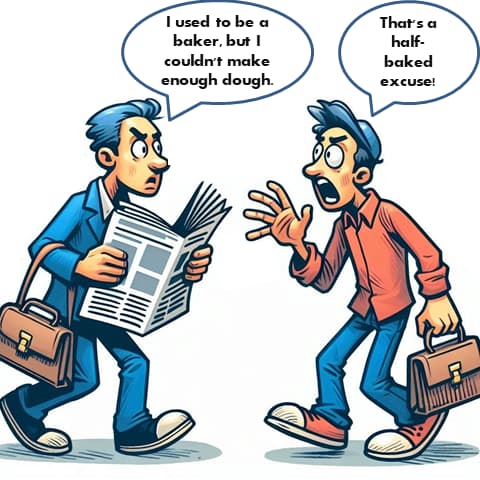
For example, consider the sentence, “I used to be a baker, but I couldn’t make enough dough.” The word “dough” refers both to a baking ingredient and, informally, to money. The sentence becomes humorous because the listener recognizes both meanings. This simple technique demonstrates how language can communicate two ideas simultaneously without requiring a complicated explanation.
The appeal also comes from accessibility. People do not need professional comedy experience to appreciate clever wordplay. Children enjoy simple sound-based jokes, while adults may prefer expressions involving cultural references, professional terminology, or sophisticated double meanings. This flexibility allows language-based humor to remain relevant across generations, educational backgrounds, and social environments.
Why Clever Language Makes People Laugh
Humor frequently develops when expectations are interrupted. During a conversation, listeners naturally predict what a speaker might say next. A clever joke challenges that prediction by introducing an alternative meaning. The brain briefly adjusts its interpretation, creating a moment of recognition that can feel rewarding and amusing.
Context plays an equally important role. A joke about coffee may feel especially entertaining during a morning conversation, while a workplace joke might become funnier after a demanding meeting. Familiar surroundings make the humorous connection easier to recognize. Successful wordplay therefore combines understandable language, appropriate timing, and an unexpected interpretation that listeners can appreciate without excessive explanation.
How Puns Bring Happiness to Everyday Conversations
Daily communication often revolves around responsibilities, schedules, and practical information. Introducing lighthearted humor can make these interactions feel more personal and engaging. A playful comment during breakfast, a clever response in a group conversation, or an amusing message between colleagues can interrupt routine thinking and create a more relaxed atmosphere.
Imagine someone saying, “I’m reading a book about anti-gravity. It’s impossible to put down.” The joke works because the expression “put down” describes both physically lowering an object and stopping reading. Although the statement is simple, it invites listeners to recognize the double meaning. This shared moment can encourage conversation and make an otherwise ordinary exchange more memorable.
Humor can also help people approach minor inconveniences with greater flexibility. A delayed meeting, a rainy afternoon, or an unexpected change of plans may become less frustrating when someone introduces an appropriate joke. However, humor should never dismiss genuine concerns. Its greatest value appears when it complements empathy, encourages connection, and helps people experience ordinary situations from a lighter perspective.
Popular Types of Funny Wordplay
Different forms of wordplay create humor through different linguistic techniques. Some depend on similar sounds, while others use multiple meanings or unexpected combinations of familiar expressions. Understanding these categories makes it easier to recognize why particular jokes work and how to create original examples.
| Type of Wordplay | How It Works | Funny Example |
|---|---|---|
| Homophonic humor | Uses words that sound alike but have different meanings | The bicycle was two-tired to continue. |
| Double meaning | Uses one expression with two interpretations | The calendar’s days are numbered. |
| Food-related humor | Connects food terms with familiar expressions | Lettuce celebrate the good news. |
| Animal wordplay | Uses animal names or characteristics creatively | The owl was having a hoot. |
| Workplace humor | Combines professional situations with playful language | The electrician was shocked by the news. |
These examples demonstrate how ordinary vocabulary can become entertaining through small changes in interpretation. Some jokes are immediately recognizable, while others require a brief moment of thought. Neither approach is automatically better. The effectiveness of a joke depends on the audience, the situation, and the naturalness of its delivery.
Sound-Based Humor and Double Meanings
Sound-based jokes rely on phonetic similarities. Words such as “sea” and “see” or “flour” and “flower” can create entertaining combinations because their pronunciation allows listeners to interpret a sentence in more than one way. This technique is especially useful for children’s jokes, greeting cards, and playful captions.
Double-meaning humor works slightly differently. Instead of replacing one word with another similar-sounding expression, it uses an existing word or phrase with multiple interpretations. For instance, “The math teacher had too many problems” can describe both mathematical exercises and personal difficulties. The humor emerges when listeners recognize the relationship between the literal and figurative meanings.
Creative Ways to Use Puns in Daily Life
One reason language-based humor remains popular is its versatility. It can appear naturally in conversations, handwritten notes, social media posts, birthday wishes, and friendly workplace messages. A clever expression can make communication feel more distinctive without changing its original purpose.
For example, someone celebrating a friend’s achievement might write, “You’re one in a melon!” A person sending encouragement before an important presentation could say, “You’ve got this down to a fine art.” Food-related celebrations, school activities, and casual gatherings offer countless opportunities to introduce playful expressions that match the occasion.
A few practical situations where wordplay fits naturally include:
-
Birthday celebrations: Add amusing expressions to cards, invitations, and party decorations.
-
Friendly conversations: Use light jokes to create comfortable and enjoyable interactions.
-
Social media captions: Make ordinary photographs more entertaining with creative wording.
-
Family activities: Encourage children and adults to invent funny expressions together.
-
Workplace messages: Introduce appropriate humor into informal team communication.
The most important consideration is relevance. A joke that connects directly with the situation often feels more entertaining than one inserted without context. Natural delivery allows humor to support communication rather than interrupt it.
The Growing Popularity of Wordplay on Social Media
Social media has transformed how people discover, create, and share humor. Short captions, image descriptions, comment sections, and videos encourage content that delivers entertainment quickly. Because language-based jokes can often be expressed in a single sentence, they are particularly suitable for these formats.
A photograph of a sleepy cat might include the caption, “You’ve got to be kitten me.” A picture of a freshly prepared pizza could say, “You’ve stolen a pizza my heart.” These expressions combine familiar vocabulary with visual context, helping audiences understand the joke almost immediately. The image reinforces the meaning, while the wording provides the surprise.
In the current digital landscape, creators also use playful language to establish recognizable personalities. Small businesses may include clever expressions in promotional captions, while educational creators use humor to explain difficult concepts. However, effective content still depends on originality and audience relevance. Repeating familiar jokes without variation may attract less attention than developing expressions that reflect a specific moment, community, or experience.
Why Short Humor Works Well Online
Digital audiences often encounter large amounts of information while browsing social platforms. Concise humor can communicate an idea quickly without demanding substantial attention. A short joke is also easy to remember, quote, or adapt for another conversation.
Nevertheless, brevity alone does not guarantee success. A joke must remain understandable and appropriate for its intended audience. References that depend on unfamiliar slang or highly specialized terminology may confuse readers. Clear language, recognizable situations, and creative delivery generally make humorous content more accessible.
How Puns Support Creativity and Language Learning
Playful language encourages people to explore relationships between words that they might otherwise overlook. Creating a joke requires recognizing pronunciation patterns, identifying multiple meanings, and imagining how familiar expressions can be interpreted differently. These activities involve flexible thinking and can make language exploration more enjoyable.
For children, wordplay can provide an entertaining introduction to vocabulary, spelling, and pronunciation. A teacher explaining homophones might compare “knight” and “night” before asking students to create humorous sentences. The exercise helps learners recognize that identical or similar sounds do not always indicate identical meanings.
Adults can benefit from these activities as well. Writers, marketers, educators, and public speakers frequently search for engaging ways to communicate ideas. Practicing creative language can encourage fresh associations and improve awareness of tone. Although enjoying jokes does not automatically produce measurable improvements in intelligence or memory, it offers an accessible opportunity to experiment with language and creative expression.
The Role of Humor in Building Social Connections
Shared laughter can make interactions feel warmer and more comfortable. When people recognize the same humorous connection, they participate in a small shared experience. This can encourage conversation, create pleasant memories, and make social situations feel less formal.
At family gatherings, simple jokes may help different generations participate in the same conversation. Grandparents, parents, and children can exchange amusing expressions without requiring expensive activities or elaborate entertainment. Similarly, friends may develop recurring jokes based on shared experiences, creating a sense of familiarity within the group.
Humor also has a place in professional environments. An appropriate joke before a team discussion may help create a welcoming atmosphere. However, workplace communication requires awareness of different personalities and cultural backgrounds. Humor should be inclusive, understandable, and respectful. A playful comment works best when it makes people feel involved rather than embarrassed or excluded.
Understanding the Importance of Timing
Even a clever joke can lose its effect when delivered at the wrong moment. During serious conversations, emotional situations, or important announcements, humor may distract from the message or appear insensitive. Recognizing the emotional atmosphere is therefore essential.
Good timing involves listening carefully and allowing humorous comments to emerge naturally. If someone is discussing a difficult personal experience, supportive attention is more valuable than immediately attempting to make them laugh. In relaxed situations, however, a well-placed joke can improve the flow of conversation and encourage friendly interaction.
Funny Wordplay Examples for Different Occasions
Humorous expressions become more enjoyable when they relate to familiar experiences. Everyday activities such as cooking, studying, exercising, and traveling offer many opportunities for creative jokes. The following examples show how ordinary situations can inspire entertaining language.
Food and Kitchen Humor
Food provides a rich source of amusing vocabulary because many ingredient names resemble common words or phrases. Someone preparing vegetables might say, “Lettuce turnip the beet.” This combines lettuce, turnip, and beet with the familiar expression about increasing musical energy.
Another example is, “I only have pies for you.” The joke replaces “eyes” with “pies,” making it suitable for a bakery-themed greeting or a lighthearted message. These expressions are especially effective when paired with food photographs, cooking activities, or themed celebrations.
School and Study Humor
Educational settings provide opportunities for jokes involving numbers, books, science, and classroom experiences. A student might say, “The geometry teacher always knows the right angle.” The expression connects mathematical terminology with the idea of approaching something correctly.
Another familiar example is, “Why was the equal sign so humble? Because it knew it wasn’t less than or greater than anyone.” This joke introduces mathematical symbols while communicating a positive message about equality. Such examples can make classroom activities more engaging when they complement meaningful instruction.
Travel and Outdoor Humor
Travel experiences can inspire playful comments about destinations, transportation, and natural surroundings. Someone preparing for a beach holiday might say, “Seas the day!” The expression replaces “seize” with “seas,” connecting an encouraging message with an ocean setting.
During a hiking trip, a traveler might comment, “These mountain views are peak perfection.” Here, the word “peak” refers to both a mountain summit and an exceptional standard. These expressions work particularly well in travel journals, photo captions, and casual storytelling.
How to Create Original Puns That Feel Natural
Developing original wordplay begins with observing ordinary language. Instead of forcing unrelated words together, start with a familiar topic and identify expressions that have multiple meanings or resemble other words. Food, animals, professions, sports, and weather are useful starting points because they contain recognizable vocabulary.
For example, consider the word “current.” It can refer to electricity, flowing water, or something happening now. A creative writer might build a joke around an electrician trying to stay current with industry developments. The sentence becomes amusing because both meanings fit the situation.
Another useful technique involves adapting familiar expressions. A phrase such as “a bright idea” can become more entertaining when connected to lighting or electricity. The goal is to preserve enough of the original expression that listeners recognize it while introducing a surprising alternative interpretation.
When developing your own jokes, consider these principles:
-
Choose familiar words with multiple meanings or similar pronunciations.
-
Connect the joke to a recognizable situation or topic.
-
Keep the sentence clear enough for listeners to understand quickly.
-
Avoid explanations that reveal the joke before its meaning becomes apparent.
Originality often develops through experimentation. Some attempts may sound awkward, while others create an unexpectedly clever connection. Revising the wording and testing it in casual conversations can help identify which expressions feel natural.
Why Simple Humor Remains Relevant in Modern Life
Modern routines can involve demanding schedules, constant notifications, and frequent digital communication. Within this environment, small moments of amusement offer a welcome change of pace. A clever joke does not require special equipment, extensive preparation, or a particular location. It can be enjoyed during a coffee break, while traveling, or through a short message.
Puns remain relevant partly because language itself continues to evolve. New technologies, cultural trends, and everyday expressions provide fresh material for creative jokes. Terms associated with artificial intelligence, smartphones, online meetings, and digital services can inspire contemporary wordplay that reflects changing communication habits.
For example, someone experiencing a slow internet connection might say, “Our relationship has lost its connection.” The sentence combines technical language with an emotional expression. This adaptability helps explain why wordplay continues to appear in traditional conversations and emerging digital formats.
Using Wordplay in Marketing and Creative Communication
Businesses often use humor to make advertising messages more approachable and memorable. A clever headline can capture attention, communicate personality, and encourage audiences to look more closely at a product or service. Restaurants, bookstores, bakeries, and entertainment businesses frequently have opportunities to develop language-based promotional messages.
A bakery might use the phrase “Baked with loaf” to communicate warmth and affection. A gardening business could introduce a campaign with “Growing great relationships.” These expressions connect the business category with a positive message, making the communication more distinctive.
However, successful marketing requires more than a funny headline. The message should remain clear, accurate, and relevant to the intended audience. Excessive wordplay can make promotional content difficult to understand, particularly when readers are unfamiliar with the references. Businesses should balance creativity with straightforward information so that humor supports the message rather than replacing it.
Frequently Asked Questions
1. What makes a pun funny?
A pun becomes funny when it introduces an unexpected connection between words or meanings. The listener initially understands a sentence in one way before recognizing an alternative interpretation. This moment of surprise creates the humorous effect. Familiar vocabulary, appropriate timing, and a clear connection between meanings often make the joke more enjoyable.
2. Are wordplay jokes suitable for children?
Yes, many wordplay jokes are suitable for children because they use simple vocabulary and familiar situations. Animal jokes, food expressions, and school-related humor can encourage children to explore pronunciation and meaning. Adults should choose examples that match a child’s language development and explain unfamiliar words when necessary.
3. Why do people enjoy clever jokes in everyday conversations?
Clever jokes introduce variety into routine communication and create opportunities for shared laughter. They can make conversations feel more relaxed, encourage friendly responses, and help people express personality. Their effectiveness depends on the social context, the listener’s preferences, and whether the humor feels appropriate.
4. Can humorous wordplay improve creative writing?
Wordplay can be a useful creative writing exercise because it encourages writers to examine vocabulary from different perspectives. Exploring double meanings, similar sounds, and familiar expressions may help generate interesting headlines, dialogue, and descriptions. However, writers should use humor selectively to maintain clarity and preserve the intended tone.
5. How can beginners create funny expressions?
Beginners can start by choosing an everyday topic and listing related words. They can then identify terms with multiple meanings or words that sound similar. Combining these ideas into short sentences provides opportunities to experiment with humorous interpretations. Reading the result aloud can help determine whether the joke sounds natural.
6. Why is wordplay popular in social media captions?
Wordplay is popular in captions because it can communicate humor using very few words. A clever expression combined with a relevant photograph or video creates an entertaining connection that audiences can recognize quickly. Short jokes are also convenient to share, although their success depends on originality, context, and audience interests.
Conclusion
Humor does not always require elaborate stories, professional comedians, or carefully planned entertainment. Sometimes, an ordinary word used in an unexpected way can create a delightful moment. Clever language encourages people to recognize familiar situations from new perspectives while making everyday conversations more enjoyable.
From family gatherings and classroom activities to workplace messages and social media captions, playful expressions offer countless opportunities for creativity. They can encourage language exploration, support friendly communication, and add personality to written content. Their versatility allows people of different ages and backgrounds to enjoy humor in ways that reflect their experiences.
Ultimately, Puns demonstrate that even the simplest words can become sources of entertainment when imagination and timing come together. By experimenting with language, recognizing the right moments for humor, and sharing thoughtful jokes, anyone can bring a little more laughter into everyday life.