

Introduction
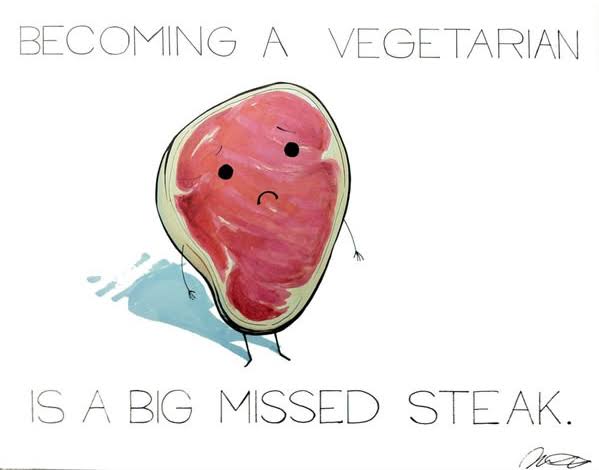
Language can be practical, informative, emotional, and entertaining, but sometimes the most enjoyable thing words can do is make us laugh. A clever phrase can take an ordinary sentence and give it an unexpected twist. That small change in meaning, sound, or spelling can create a moment of surprise that stays with people long after they hear it. This is where wordplay becomes especially entertaining. Puns have a unique ability to transform familiar words into humorous expressions without requiring complicated jokes or elaborate setups.
Creative wordplay is found almost everywhere today. People use it in social media captions, greeting cards, advertising campaigns, conversations, classroom activities, headlines, memes, and even product names. The appeal comes from simplicity: a good pun often takes something people already understand and presents it from a completely different angle. When the connection clicks, the result can be an instant smile or laugh.
The best wordplay does more than simply produce a joke. It demonstrates how flexible language can be. A single word may have several meanings, sound like another word, or become funny when placed in an unexpected context. Understanding these techniques can make it easier to appreciate humorous language and even develop original jokes of your own.
Why Wordplay Makes People Laugh
Humor often depends on surprise, and wordplay is naturally suited to creating it. When someone begins a sentence, the listener usually predicts where the thought is going. A clever twist changes that expected direction. The brain recognizes the original meaning and then quickly discovers a second interpretation. That moment of realization creates the comic effect.
For example, consider the phrase, “I used to be a baker, but I couldn’t make enough dough.” The word “dough” refers to something used in baking, but it can also mean money. The humor comes from combining both meanings in one sentence. The joke is short, but the listener needs to recognize the two interpretations for the punchline to work.
Another reason wordplay works so well is that it does not always require extensive cultural knowledge. A joke based on a familiar word can be understood by a broad audience. This makes word-based humor useful for families, classrooms, casual conversations, and online communities. When the wording is simple and the connection is clever, the joke can travel easily from one person to another.
The Creative Side of Puns
Creating a good pun is more than putting two similar-sounding words together. Effective wordplay depends on context, timing, clarity, and originality. If the connection is too obvious, the joke may feel predictable. If it is too complicated, people may miss the intended humor altogether. The strongest examples usually sit somewhere between the two.
One useful technique is to look for words with multiple meanings. Words such as “light,” “bark,” “spring,” “jam,” and “match” can refer to completely different things depending on the sentence. This gives writers plenty of opportunities to create unexpected connections. A sentence about a tree, for instance, can become humorous by using “bark” in a way that suggests both a tree’s outer covering and a dog’s sound.
Sound-based wordplay is another popular approach. Words that sound alike but have different meanings can be used to create playful sentences. This technique is particularly useful for captions and short jokes because the humor can be delivered quickly.
Playing With Multiple Meanings
A word with several meanings is like a small toolbox for a creative writer. The challenge is to find two meanings that can exist naturally within the same idea. If both interpretations fit the sentence, the result can feel surprisingly clever.
Take the word “current.” It can describe something happening now, but it can also refer to the movement of water or electricity. A joke about a swimmer struggling against the “current” can potentially use both meanings. The humor becomes stronger when the reader initially interprets the word one way and then recognizes the second meaning.
This method also demonstrates why context is so important. A pun should not feel as though a random word has been inserted simply to make a joke. The surrounding sentence should support the meaning and make the wordplay feel natural.
Everyday Situations Where Wordplay Works
Humorous language does not need a stage or comedy club. Everyday conversations are full of opportunities for playful expressions. Someone talking about cooking might make a food-related joke, while a conversation about work might lead to a clever phrase involving office vocabulary. These spontaneous moments often feel especially funny because they are connected directly to what people are already discussing.
Social media has made this style of humor even more popular. Short captions often need to grab attention quickly, and a clever phrase can accomplish that without requiring a long explanation. A photograph of someone enjoying coffee, for example, might be paired with a playful line about being “brew-tiful” or needing a little “grounding.” The visual and verbal elements work together to create a compact joke.
Marketing also makes extensive use of wordplay because memorable language can help a brand stand out. A clever slogan is easier to remember than a generic statement, particularly when the wording is connected to the product. However, businesses need to be careful. A joke should support the message rather than distract from it.
Popular Themes for Creative Wordplay
Almost any subject can become the foundation for a clever joke. Certain topics, however, naturally provide more opportunities because they contain many related words and phrases.
Food is one of the easiest categories because everyday language already contains countless expressions that can be interpreted playfully. Words associated with cooking, eating, baking, fruits, vegetables, and restaurants can produce humorous combinations. Animal-related language is similarly flexible because animal names, sounds, behaviors, and physical characteristics can all be used in different contexts.
Work, school, travel, technology, sports, weather, and relationships are also useful subjects. The key is to avoid forcing a joke into a topic simply because it contains a potentially funny word. Instead, writers should look for a natural connection between the subject and the alternative meaning.
| Theme | Useful Wordplay Approach | Example Idea |
|---|---|---|
| Food | Double meanings and cooking terms | Dough, spice, toast |
| Animals | Sounds, names, and behavior | Bark, paws, purr |
| Technology | Modern terminology | Download, cloud, connection |
| Work | Office vocabulary | Meetings, deadlines, projects |
| Travel | Places and movement | Plane, destination, luggage |
The variety of possible themes shows why wordplay remains relevant. It can adapt to almost any conversation or creative format while keeping the basic idea simple.
How to Create Your Own Clever Wordplay
Creating original humor becomes easier when you train yourself to notice unusual relationships between words. Start with a familiar topic and write down several words associated with it. Then consider whether any of those words have alternative meanings, similar sounds, or expressions that can be interpreted differently.
For example, if the topic is gardening, words such as “plant,” “root,” “branch,” “grow,” and “bloom” immediately provide possibilities. Some have literal meanings, while others can describe people, organizations, ideas, or personal development. This gives you multiple directions to explore.
One useful exercise is to deliberately make a list of related words and then search for unexpected connections. Do not worry about producing perfect jokes immediately. The first ideas may sound awkward, but they can lead to better ones. Creativity often develops through experimentation rather than instant inspiration.
A few simple techniques can help when developing wordplay:
- Look for words with two or more meanings.
- Explore words that sound alike but have different definitions.
- Turn familiar expressions into unexpected versions.
- Connect ordinary phrases with the subject being discussed.
After creating an idea, read it aloud. Spoken language can reveal whether the joke sounds natural. If the wording requires too much explanation, it may need to be simplified. A strong joke usually becomes more effective when unnecessary words are removed.
The Role of Timing and Context
Even excellent wordplay can fail if it appears at the wrong moment. Timing gives humor its rhythm. A clever phrase delivered immediately after a relevant statement can feel spontaneous and effortless, while the same phrase introduced several minutes later may lose its impact.
Context is equally important. The audience should have enough information to understand the setup but not so much that the punchline becomes predictable. This is especially relevant when creating social media content. People scroll quickly, so the joke needs to communicate its idea without requiring a long explanation.
Different audiences also respond to different styles. Children may prefer simple and obvious wordplay, while adults may appreciate more layered meanings. Professional audiences may respond better to subtle humor than exaggerated jokes. Understanding the audience allows the writer to choose the right level of complexity.
Puns in Social Media and Digital Communication
Online communication has created a perfect environment for short-form humor. Captions, comments, memes, posts, and messages frequently rely on compact jokes because users tend to consume content quickly. A clever phrase can make an ordinary post more noticeable and encourage people to react or share it.
Social media also allows wordplay to work together with images. A picture can establish the subject while the caption delivers the unexpected twist. This combination reduces the amount of explanation required and gives the audience two ways to understand the joke.
Hashtags and short captions can also benefit from creative language. A playful phrase can make a post feel more personal and less generic. However, originality remains important. Repeating extremely common jokes may make content feel predictable, while a fresh interpretation can give even a familiar topic a new personality.
Why Simple Wordplay Often Works Best
There is a temptation to make a joke complicated because complexity can appear more clever. In practice, simplicity is often more effective. If the audience understands the setup immediately and discovers the second meaning without assistance, the humor feels rewarding.
This is why many memorable jokes rely on just a few words. The writer does not need to explain every connection. Instead, the audience completes the joke mentally. That small act of discovery creates a feeling of participation, which can make the humor more satisfying.
Simple wordplay is also easier to remember. A short phrase can be repeated in conversation, included in a caption, or adapted for another situation. This flexibility gives clever language a longer life than jokes that depend heavily on a specific setup.
Common Mistakes to Avoid
One common problem is forcing a pun simply because a word seems suitable. If the sentence becomes unnatural, readers may notice the construction rather than enjoy the joke. Good humor should sound like a natural part of the conversation.
Another mistake is explaining the joke too much. When the audience understands the intended meaning immediately, additional explanation can weaken the effect. The goal should be to provide enough context for the wordplay to make sense and then let the reader experience the realization independently.
Overusing the same style can also make humor predictable. If every sentence depends on a double meaning, the technique quickly loses its surprise. Mixing different forms of humor keeps writing fresh and gives individual jokes more impact.
Frequently Asked Questions
What makes a pun effective?
An effective pun combines clarity with surprise. The audience should understand the words involved while also discovering an unexpected second meaning or connection. Strong examples usually feel natural rather than forced.
Can wordplay be used in professional writing?
Yes, although the level of humor should match the audience and purpose. Businesses sometimes use playful language in advertisements, social media posts, newsletters, and campaigns. The joke should support the message rather than interfere with the information being communicated.
Why are word-based jokes popular on social media?
They are short, easy to understand, and highly adaptable to captions and images. A clever phrase can communicate personality while making ordinary content more memorable. This makes wordplay particularly suitable for fast-moving digital platforms.
How can beginners become better at creating wordplay?
Beginners can start by collecting words with multiple meanings and experimenting with alternative interpretations. Reading humorous captions and studying how words are used in different contexts can also help develop an instinct for clever connections.
Are simple jokes better than complicated ones?
Not always, but simple jokes are often easier for a broad audience to understand. A complicated joke can work when the audience enjoys layered humor, but unnecessary complexity may make the punchline difficult to recognize.
Can wordplay be used for educational purposes?
Absolutely. Teachers can use humorous language to make lessons more memorable, introduce vocabulary, or encourage students to think about multiple meanings. When used appropriately, humor can make learning more engaging without replacing the actual lesson.
Conclusion
Creative wordplay proves that language can be much more than a way to communicate information. A single word can carry several meanings, create an unexpected connection, or transform an ordinary sentence into something memorable. That flexibility is what makes Puns such a lasting form of humor.
The most successful examples are not necessarily the most complicated. They are the ones that arrive naturally, create a moment of surprise, and allow the audience to understand the joke for themselves. Whether used in conversation, social media, marketing, education, or everyday writing, clever wordplay can add personality and energy to almost any message.
Creating good humor also becomes easier with practice. By paying attention to multiple meanings, similar sounds, familiar expressions, and unexpected connections, anyone can become more comfortable with playful language. The next time you notice an ordinary word with an unusual possibility, explore it. You might discover that the smallest twist in language can produce the biggest laugh.