

Introduction
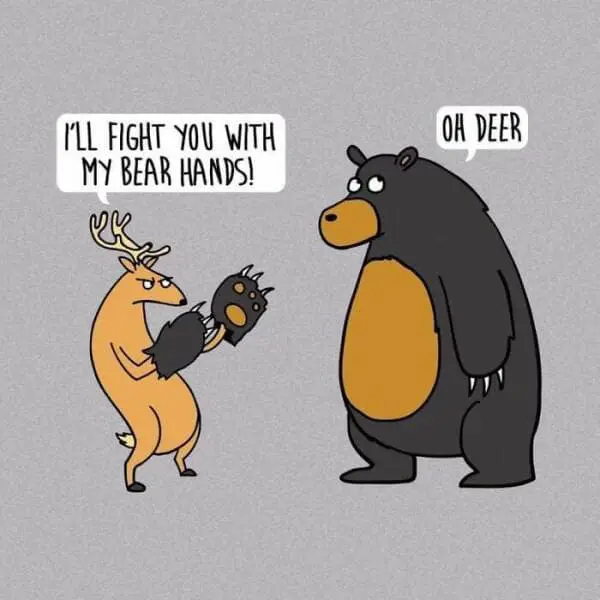
Humor comes in many forms, from clever observations and sarcastic comments to unexpected stories and playful word choices. Among the simplest and most recognizable forms of humor are bad puns, jokes that often rely on obvious wordplay, double meanings, similar sounds, or deliberately predictable punchlines. They may produce an eye roll before they produce a laugh, but that reaction is part of their charm. A pun does not always need to be sophisticated to be entertaining. Sometimes, the sillier the joke, the more memorable it becomes. People enjoy wordplay because it invites them to recognize a connection between two meanings or sounds. Even when the punchline is predictable, the brief moment of surprise can create amusement. This combination of simplicity, anticipation, and silliness helps explain why pun-based humor continues to appear in conversations, social situations, entertainment, and everyday communication.
What Makes a Pun Funny?
A pun generally works by connecting words or phrases that have similar sounds, multiple meanings, or related spellings. The humor comes from presenting one interpretation and then suddenly encouraging the listener to notice another. This does not require a complicated setup. In fact, short jokes can sometimes be more effective because the audience immediately understands the intended wordplay. The humor may become even stronger when the punchline is intentionally obvious. This is one reason bad puns can be so entertaining. Their lack of subtlety becomes part of the joke itself. When someone delivers an incredibly predictable pun with confidence, listeners may laugh not only at the wording but also at the person’s willingness to tell such a terrible joke. The reaction can range from genuine laughter to an exaggerated groan, but both responses show that the joke successfully created an emotional reaction.
Why Do People Enjoy Terrible Wordplay?
One interesting feature of bad puns is that they often create humor through simplicity rather than complexity. A person does not need specialized knowledge to understand many pun-based jokes. Familiar words and everyday situations can provide enough material for the joke to work. This makes puns accessible to children, adults, friends, coworkers, and families. They can also make conversations feel more relaxed because they do not require a serious setup or elaborate storytelling. A simple play on words can interrupt an ordinary conversation and give everyone a reason to smile. Even when the joke is clearly terrible, people may appreciate the creativity behind finding an unexpected connection between two words. The audience may groan, laugh, or pretend to be annoyed, but that playful reaction often becomes part of the social experience. In this way, wordplay can be less about delivering perfect comedy and more about creating a shared moment.
The Art of Delivering a Bad Pun
Timing can make a significant difference in how a pun is received. A mediocre joke delivered at exactly the right moment can become surprisingly funny, while a clever joke delivered without enthusiasm may receive little reaction. The same principle applies to bad puns. The person telling the joke can improve its effect through facial expressions, pauses, exaggerated confidence, or deliberately serious delivery. Sometimes the funniest approach is to act as though the pun is an extremely important observation. That contrast between the seriousness of the delivery and the silliness of the joke creates another layer of humor. Pausing briefly before the punchline can also give listeners enough time to anticipate what is coming. Once they recognize the wordplay, the reaction becomes part of the entertainment. A well-timed groan can be almost as satisfying as a laugh.
Bad Puns in Everyday Conversations
Puns do not have to belong exclusively to comedy shows or written jokes. They frequently appear in casual conversations because they are easy to create spontaneously. Someone discussing cooking might make a food-related wordplay joke, while a conversation about work might inspire a joke involving office terminology. These moments can make ordinary discussions more playful without requiring anyone to prepare a formal joke. Bad puns are particularly useful in friendly environments because their intentionally silly nature lowers the pressure to be genuinely hilarious. Nobody expects a perfect punchline. The goal is often simply to amuse, surprise, or tease another person. Friends may even compete to create increasingly ridiculous wordplay. Over time, these jokes can become part of a group’s personality and create recurring references that are funny because of shared memories rather than the original joke itself.
Why Bad Puns Are So Memorable
Memorable humor often depends on simplicity, repetition, and surprise. A pun can combine all three qualities in a very small package. Because the joke is usually short, people can easily remember and repeat it later. The unusual connection between words also gives the brain something distinctive to recognize. Even when someone claims to dislike bad puns, they may remember one for years because it was particularly ridiculous. Repetition can make this effect even stronger. A pun that was only mildly amusing the first time may become funnier after being repeated among friends. This is especially common with jokes that become intentionally predictable. Once everyone knows the punchline, the anticipation itself becomes part of the humor. The audience may start laughing before the final words are even spoken, creating a shared comedic rhythm.
The Role of Creativity in Wordplay
Creating a good pun requires more creativity than its simplicity might suggest. The writer or speaker must notice connections between words, sounds, meanings, and situations. Sometimes the connection is obvious, while other times it requires a little imagination. Even a deliberately terrible joke can demonstrate creative thinking because the person has transformed ordinary language into something unexpected. Bad puns can therefore be viewed as small exercises in language creativity. They encourage people to think about how words function and how changing context can alter meaning. Writers, marketers, comedians, and content creators sometimes use wordplay because it can make a message more memorable. Although not every pun succeeds, experimenting with language can lead to clever ideas and unexpected expressions. The willingness to create a silly joke can also encourage people to become more comfortable with playful communication.
Bad Puns Across Different Topics
Almost any subject can inspire a pun. Food, animals, weather, technology, school, work, travel, sports, and everyday objects all contain words that can be interpreted in different ways. This flexibility is one reason pun humor has remained popular for so long. A person can create a joke around almost anything simply by looking for words with multiple meanings or similar sounds. Bad puns can also be adapted to different audiences. A family might enjoy simple animal wordplay, while coworkers might create jokes based on workplace terminology. The topic may change, but the basic structure remains similar: establish a familiar idea and then reinterpret a word or phrase to create an unexpected connection. This adaptability allows puns to remain useful in casual conversations, greeting cards, captions, humorous messages, and many other forms of communication.
When a Bad Pun Becomes a Good Joke
There is an amusing contradiction in pun-based humor: sometimes a joke becomes better precisely because it is so bad. A painfully obvious punchline can create a stronger reaction than a sophisticated one because the audience recognizes the joke’s ridiculousness immediately. This is why people sometimes intentionally tell bad puns while fully expecting everyone to complain about them. The complaints become part of the performance. Someone might respond with an exaggerated sigh or say that the joke was terrible, only to laugh moments later. This type of humor demonstrates that comedy does not always depend on being clever in the traditional sense. Context, timing, personality, and audience expectations can completely change how a joke feels. A pun that looks weak on paper may become hilarious when delivered by someone who understands exactly how ridiculous it is.
Using Wordplay Without Overdoing It
Although puns can make communication more entertaining, using too many can reduce their impact. If every sentence contains wordplay, the audience may stop noticing the individual jokes. Strong humorous writing usually benefits from variation, allowing a pun to appear when it naturally fits the subject. This is especially important when using bad puns because their charm often depends on surprise. A single silly joke in an otherwise normal conversation can be much funnier than a constant stream of forced wordplay. The best approach is to let the joke support the conversation rather than dominate it. When a pun fits naturally with the topic, it can feel spontaneous and clever even if the punchline is intentionally terrible. Knowing when to stop is therefore just as important as knowing how to create the joke.
The Lasting Appeal of Simple Humor
Humor changes with trends, technology, and culture, but simple wordplay continues to survive because language itself is constantly creating opportunities for jokes. New expressions, technologies, products, and cultural references introduce fresh words that can be interpreted in playful ways. This keeps pun-based humor adaptable and relevant. The enduring popularity of bad puns also shows that people do not always want complicated entertainment. Sometimes a tiny joke is enough to improve a conversation or make a boring moment more enjoyable. The humor may be clever, silly, predictable, or completely ridiculous, but its purpose remains straightforward: creating a moment of amusement. That accessibility is probably one of the main reasons wordplay continues to appear in everyday communication.
Conclusion
Puns demonstrate that humor does not always need complicated storytelling, elaborate characters, or sophisticated ideas. Sometimes all it takes is a familiar word viewed from an unexpected angle. Bad puns are especially interesting because their entertainment value often comes from their simplicity and obviousness. People may laugh at the joke, groan at the punchline, or do both at the same time. Their ability to create these reactions makes them useful in casual conversations and playful communication. While not every pun will become a comedy classic, the willingness to experiment with language can make ordinary interactions more enjoyable. Whether someone loves wordplay or claims to hate every pun they hear, these jokes continue to occupy a unique place in everyday humor. In the end, perhaps the greatest achievement of a truly terrible pun is making someone laugh while pretending they absolutely did not.