

Introduction
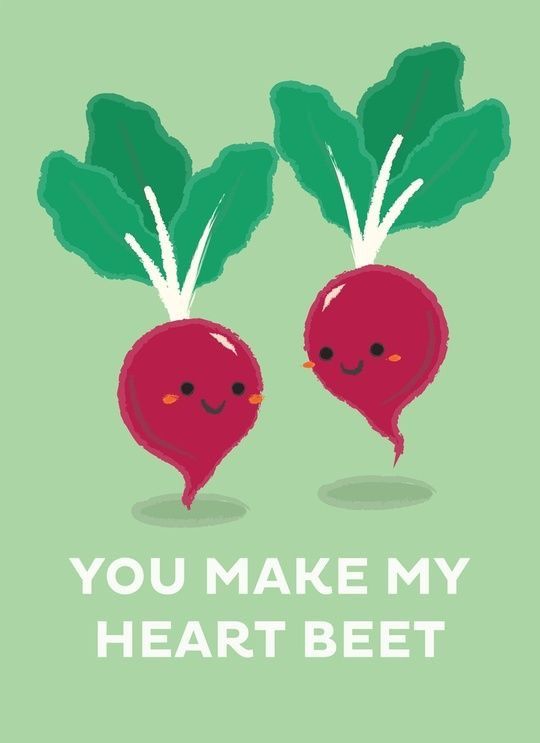
Humor is one of the simplest ways to make everyday experiences more enjoyable. Whether someone is having a stressful day at work, spending time with friends, or sharing a casual conversation with family, a little laughter can instantly change the atmosphere. Among the many forms of humor available, Puns stand out because they combine creativity, language, and unexpected meanings into short, memorable expressions. They do not require complicated storytelling or elaborate preparation. Sometimes, a single clever sentence is enough to make someone smile and turn an ordinary moment into an entertaining experience.
Wordplay has existed for centuries, appearing in literature, theater, advertising, and everyday conversations. Its popularity continues because people naturally enjoy discovering hidden meanings and unexpected connections between words. A simple joke based on double meanings can create amusement while encouraging listeners to think differently about familiar expressions. Unlike humor that depends on embarrassing someone or making controversial remarks, playful language can often create laughter without making others uncomfortable.
In today’s fast-moving digital world, where conversations frequently happen through messaging apps, social media platforms, and online communities, short and creative jokes have become especially appealing. People enjoy sharing humorous captions, witty comments, and entertaining expressions that communicate personality within a few words. This makes wordplay a practical and enjoyable addition to modern communication, helping individuals create positive interactions both online and offline.
Understanding the Unique Appeal of Wordplay
How Clever Language Creates Unexpected Humor
The appeal of wordplay comes from the surprising relationship between language and meaning. Most people expect words to communicate information directly, but humorous expressions often challenge those expectations. When a familiar word suddenly takes on a different meaning, the brain recognizes the unexpected connection, creating a moment of amusement. This combination of surprise and understanding makes linguistic humor particularly satisfying because listeners participate mentally in discovering the joke.
For example, consider the sentence, “I used to be a baker, but I couldn’t make enough dough.” The humor comes from the word “dough,” which refers both to a baking ingredient and, informally, to money. The sentence initially appears to describe a professional experience, but the alternative meaning changes its interpretation. This simple technique demonstrates how ordinary vocabulary can become entertaining without requiring an elaborate setup. Such expressions work especially well in casual conversations because they are short, easy to understand, and naturally memorable.
Why Simple Jokes Often Leave a Lasting Impression
Not every memorable joke needs an elaborate punchline. In fact, simple humor often succeeds because people can understand and remember it quickly. A clever phrase may stay in someone’s mind long after a conversation ends, especially when it relates to a familiar experience. The listener may repeat the joke later, adapting it to a new situation or sharing it with someone who appreciates similar humor.
Puns are particularly effective in this way because they transform common expressions into amusing observations. Their familiarity makes them accessible, while their unexpected meanings provide entertainment. Even when a joke produces a playful groan rather than loud laughter, it can still strengthen social interaction. The shared recognition of a deliberately silly expression creates a moment of connection, reminding people that humor does not always need to be sophisticated to be enjoyable.
The Role of Humor in Everyday Happiness
How Laughter Can Improve Mood
Everyday life includes responsibilities, deadlines, unexpected challenges, and moments of frustration. Although humor cannot eliminate these difficulties, it can help people approach them with a lighter attitude. A funny comment during a demanding workday may provide a brief mental break, while a playful conversation at home can help family members relax after a busy schedule. These small moments of amusement contribute to a more pleasant emotional environment.
Laughter is associated with positive emotional experiences and may temporarily ease feelings of tension. Researchers have also explored how humor influences stress perception, social relationships, and psychological well-being. However, the benefits depend on the individual, the situation, and the type of humor involved. A joke is not a replacement for professional support when someone is experiencing serious emotional difficulties. Nevertheless, appropriate humor can serve as a useful everyday coping tool by offering perspective and encouraging enjoyable interactions.
Finding Joy in Ordinary Situations
People sometimes assume that happiness requires exciting events, major achievements, or special occasions. In reality, many enjoyable experiences come from ordinary activities such as preparing breakfast, traveling to work, or talking with neighbors. Humor helps people notice entertaining possibilities within these familiar routines, making everyday experiences feel less repetitive.
Imagine someone working in a garden who says, “I’m rooting for these plants to succeed.” The sentence fits the gardening activity while introducing a playful alternative meaning. Similarly, a person organizing a bookshelf might joke, “I’ve got a novel approach to cleaning.” These expressions add personality to otherwise routine tasks. Over time, developing the habit of noticing humorous connections can encourage a more playful outlook, allowing individuals to appreciate small moments rather than waiting for something extraordinary to happen.
Why Puns Make Conversations More Engaging
Breaking the Ice in Social Situations
Starting conversations with unfamiliar people can sometimes feel uncomfortable, particularly during social gatherings, professional networking events, or community activities. Lighthearted humor offers a way to reduce formality and encourage participation. A well-timed joke can communicate friendliness and help people feel more comfortable without requiring personal disclosures or complicated conversation topics.
For instance, someone attending a coffee-themed event might say, “I hope this meeting has plenty of grounds for discussion.” The expression relates naturally to the environment while adding a humorous twist. Although not everyone will respond enthusiastically to every joke, playful comments can create opportunities for conversation when delivered appropriately. The important consideration is understanding the audience and avoiding humor that might feel forced or distracting.
Strengthening Relationships Through Shared Laughter
Shared laughter can become part of the emotional foundation of friendships, family relationships, and romantic partnerships. People often remember amusing conversations because they associate them with comfort, affection, and positive experiences. A humorous phrase repeated between friends may eventually become an inside joke, carrying meaning that extends beyond the original words.
Puns can support these interactions by creating opportunities for spontaneous amusement. Parents might use playful expressions while helping children with homework, friends may exchange clever messages, and colleagues might share harmless jokes during breaks. These interactions encourage participation and can make communication feel warmer. The strongest relationships still depend on trust, respect, and understanding, but humor can complement these qualities by creating enjoyable shared experiences.
The Creative Thinking Behind Clever Wordplay
Exploring Multiple Meanings and Language Connections
Creating effective wordplay requires the ability to recognize relationships between words, sounds, and ideas. A person might notice that two expressions sound similar or that one word has several meanings. By combining these possibilities, they can produce a humorous sentence that surprises listeners while remaining understandable.
For example, the expression “The bicycle was two-tired to continue” works because “two-tired” resembles “too tired” while referring to a bicycle’s two tires. This type of joke encourages attention to pronunciation and context. People who regularly experiment with language may become more comfortable exploring alternative interpretations, an ability that can also be useful in creative writing, storytelling, and communication.
Encouraging Imagination in Children and Adults
Language-based humor can be an enjoyable educational activity because it encourages people to examine vocabulary more closely. Children learning new words may discover that certain expressions have multiple meanings, while adults can enjoy experimenting with familiar phrases in unexpected contexts. This makes wordplay suitable for activities involving storytelling, classroom discussions, and family games.
Teachers can introduce simple jokes to make vocabulary lessons more engaging, provided the humor is appropriate for students’ ages and language abilities. Parents can also encourage children to invent playful sentences based on everyday objects. For adults, experimenting with creative expressions can provide a refreshing alternative to routine communication. The objective is not necessarily to become a comedian but to develop curiosity about how language works.
Different Types of Wordplay Used in Everyday Humor
Although many humorous expressions appear similar, they rely on different linguistic techniques. Understanding these distinctions can make it easier to recognize clever jokes and create original examples.
| Type of wordplay | How it works | Example |
|---|---|---|
| Homophonic | Uses words with similar pronunciation | A bicycle is two-tired. |
| Homographic | Uses one spelling with different meanings | The fisherman was hooked on his hobby. |
| Compound | Combines multiple word-based jokes | The baker kneaded dough to make a living. |
| Visual | Uses imagery alongside words | A picture of a clock saying, “Time flies.” |
| Contextual | Uses a phrase that fits two situations | The gardener had growing concerns. |
Each technique offers a different approach to humor. Some depend primarily on pronunciation, while others rely on context or visual interpretation. The most effective examples usually fit naturally into the surrounding conversation, allowing listeners to recognize the alternative meaning without excessive explanation.
How Puns Have Become Popular in Digital Communication
Humor in Social Media Captions and Online Posts
Social media has created countless opportunities for short, entertaining expressions. People frequently share photographs, personal updates, and everyday experiences through platforms where attention is limited and messages must communicate quickly. Clever captions can make ordinary content more memorable because they introduce humor without requiring lengthy explanations.
A photograph of someone enjoying a beach vacation might include the caption, “Seas the day,” while a bakery could share a picture of fresh bread with the phrase, “Loaf at first sight.” These expressions combine familiar language with relevant imagery, creating content that is easy to understand and share. However, successful digital humor depends on originality, timing, and audience preferences rather than wordplay alone.
Memes, Messaging Apps, and Short-Form Content
Modern communication increasingly involves short videos, reaction images, stickers, and brief text messages. In these environments, humor that can be understood quickly often fits naturally into the format. Word-based jokes can appear in memes, group chats, video captions, and casual replies, allowing people to express personality without writing lengthy messages.
The digital environment also encourages users to adapt familiar jokes to new situations. A phrase originally associated with food might be modified for travel, entertainment, or workplace humor. This flexibility helps linguistic jokes remain relevant across changing online trends. Nevertheless, excessive repetition can make familiar expressions feel predictable, so creativity and contextual relevance remain important.
Using Wordplay in Professional Communication
Making Marketing Messages More Memorable
Businesses often search for creative ways to communicate their products and services. A clever phrase can attract attention, reinforce brand personality, and help audiences remember a message. Restaurants, bookstores, clothing retailers, and other consumer-facing businesses frequently use language-based humor because it connects naturally with their offerings.
A coffee shop might display a sign reading, “Espresso yourself,” while a gardening business could use the phrase, “We’re growing on you.” These examples connect the product category with familiar expressions, creating a playful impression. However, humor should never obscure important information. Customers still need clear details about prices, services, product quality, and purchasing conditions. Effective marketing balances entertainment with useful communication.
Creating a Friendly Workplace Atmosphere
Workplace humor can support positive interactions when employees understand professional boundaries. A harmless joke during a team meeting may reduce tension, while a playful message celebrating a completed project can contribute to a welcoming atmosphere. Humor can also make routine announcements more engaging, particularly when it relates to shared experiences.
For example, a team completing a complicated spreadsheet might joke that they have finally found the formula for success. Such expressions work best when they are inclusive and do not interrupt serious discussions. Managers and employees should remain attentive to cultural differences, personal preferences, and workplace expectations. The purpose of professional humor is to support communication, not to distract from responsibilities or pressure colleagues into participating.
Practical Ways to Add More Humor to Daily Life
Developing a playful communication style does not require advanced writing skills or extensive preparation. The easiest approach is to begin with familiar situations and notice opportunities for alternative meanings. Everyday objects, occupations, hobbies, and common expressions provide plenty of inspiration.
A few practical techniques include:
-
Look for words that have two meanings and experiment with placing them in unexpected situations.
-
Use lighthearted expressions in birthday cards, friendly messages, or casual social media captions.
-
Adapt jokes to the interests of your audience so the humor feels relevant.
-
Keep jokes short enough that listeners can recognize the connection naturally.
-
Pay attention to timing and avoid interrupting serious or sensitive conversations.
The most enjoyable humor usually feels spontaneous rather than rehearsed. Someone who enjoys cooking might develop jokes involving ingredients, while a sports enthusiast may notice amusing connections involving teams, goals, or equipment. Practicing these techniques can gradually make playful language feel more natural.
Why Timing and Audience Awareness Matter
Understanding When Humor Is Appropriate
Even an imaginative joke may fail when delivered at the wrong moment. A playful remark that works during a relaxed dinner may feel inappropriate during a serious workplace discussion or emotional conversation. Understanding the surrounding situation is therefore an essential part of successful humor.
People also differ in their preferences. Some enjoy obvious jokes and deliberately exaggerated wordplay, while others prefer subtle wit. Cultural backgrounds, language familiarity, and personal experiences can influence whether a particular expression is understood or appreciated. Rather than assuming everyone will enjoy the same joke, effective communicators observe reactions and adjust their approach.
Keeping Humor Respectful and Inclusive
One advantage of language-based humor is that it can often avoid targeting individuals or sensitive characteristics. Instead of making someone the subject of a joke, the humor focuses on vocabulary, pronunciation, or surprising interpretations. This can make it a useful choice for mixed-age gatherings, classrooms, and professional environments.
Still, not every joke is automatically appropriate simply because it involves wordplay. Some expressions depend on stereotypes, embarrassing situations, or cultural references that may exclude listeners. Choosing familiar, respectful themes increases the likelihood that everyone can participate. Good humor should invite people into a shared experience rather than leave them feeling uncomfortable.
The Educational Value of Puns in Language Learning
Improving Vocabulary and Comprehension
Learning a language involves understanding more than dictionary definitions. Words can change meaning depending on context, pronunciation, and cultural usage. Humorous expressions provide practical examples of these differences, helping learners explore how language functions beyond literal interpretation.
For example, the sentence “The math teacher has too many problems” can refer to mathematical exercises or personal difficulties. Understanding the joke requires recognizing both meanings and selecting the interpretation that creates humor. Teachers may use similar examples to encourage vocabulary discussions and reading comprehension. However, beginners may need explanations before appreciating jokes that rely on unfamiliar expressions.
Supporting Classroom Participation
Humor can make educational activities feel more approachable, especially when students are encouraged to experiment without fear of making mistakes. A classroom exercise involving creative sentences may motivate learners to explore vocabulary, pronunciation, and sentence structure. Students can compare interpretations, discuss why certain jokes work, and invent original examples.
These activities are most useful when connected to clear learning objectives. Rather than replacing traditional instruction, wordplay can supplement reading, writing, and speaking practice. Teachers should also consider students’ language proficiency and avoid assuming that every learner will immediately understand culturally specific expressions.
Why This Form of Humor Remains Timeless
Humor changes as societies develop, but the enjoyment of unexpected language connections has remained remarkably consistent. Writers, performers, speakers, and ordinary people have used verbal wit across generations because language naturally provides opportunities for multiple interpretations. New technologies may influence where jokes appear, but the underlying pleasure of recognizing a clever connection remains familiar.
Puns continue to appeal to different age groups because they can be adapted to almost any subject. A child may laugh at a simple animal joke, while an adult may appreciate sophisticated literary wordplay. Their flexibility allows them to appear in books, advertisements, conversations, and digital entertainment without depending entirely on temporary trends. As long as people communicate through language, opportunities for amusing misunderstandings and creative expressions will remain part of everyday life.
Frequently Asked Questions
1. What makes wordplay different from other types of humor?
Wordplay creates humor by using multiple meanings, similar sounds, or unexpected interpretations of language. Unlike jokes that depend on physical comedy or complicated stories, it often produces amusement through a short phrase. The listener recognizes a surprising connection between words, making the joke both entertaining and mentally engaging.
2. Can language-based jokes help reduce everyday stress?
Lighthearted jokes may provide a temporary emotional break from stressful situations. Shared laughter can encourage positive interactions and help people approach minor frustrations with greater flexibility. However, humor is only one possible coping strategy and should not replace appropriate support or treatment when stress becomes persistent or overwhelming.
3. Are these jokes suitable for children?
Yes, many forms of wordplay are suitable for children when the vocabulary and themes match their age and understanding. Simple examples can introduce multiple meanings, encourage creative thinking, and make language activities more enjoyable. Parents and teachers can explain unfamiliar expressions and invite children to create their own playful sentences.
4. How can beginners become better at creating clever jokes?
Beginners can start by identifying words with more than one meaning or phrases that sound similar to other expressions. Reading humorous writing, observing everyday conversations, and experimenting with familiar topics can provide inspiration. Practice helps people recognize which jokes are easy to understand and which require too much explanation.
5. Why do some people groan instead of laughing at wordplay?
A groan is often a playful response to a joke that feels deliberately obvious, predictable, or silly. The listener may understand the intended humor while recognizing that the expression relies on an exaggerated linguistic connection. In friendly situations, this reaction can become part of the entertainment rather than a sign that the joke has completely failed.
6. Can businesses benefit from using humorous expressions?
Businesses can use clever language to create memorable slogans, friendly social media posts, and engaging promotional messages. Humor may help communicate brand personality and attract attention, particularly when it relates directly to a product or service. However, messages should remain clear, appropriate for the audience, and consistent with the company’s overall communication style.
Conclusion
Humor does not always require elaborate performances, complicated stories, or carefully planned entertainment. Sometimes, a creative interpretation of an ordinary word can transform a conversation, brighten someone’s mood, or make a routine activity more enjoyable. Language-based jokes offer an accessible form of amusement because they draw inspiration from familiar experiences and encourage people to recognize unexpected connections.
Their value extends beyond entertainment. Thoughtful wordplay can support social relationships, encourage creative thinking, enrich language learning, and make communication more memorable. In digital spaces, classrooms, workplaces, and family conversations, these expressions provide opportunities to connect through shared amusement.
The secret to using humor effectively lies in simplicity, timing, and consideration for others. A well-chosen joke can create a memorable moment, while an inappropriate one may distract from the conversation. By remaining attentive to context and embracing playful creativity, anyone can discover more opportunities for laughter in daily life. Ultimately, the most meaningful humor is not necessarily the joke that produces the loudest reaction, but the one that brings people together and makes an ordinary moment feel a little brighter.