

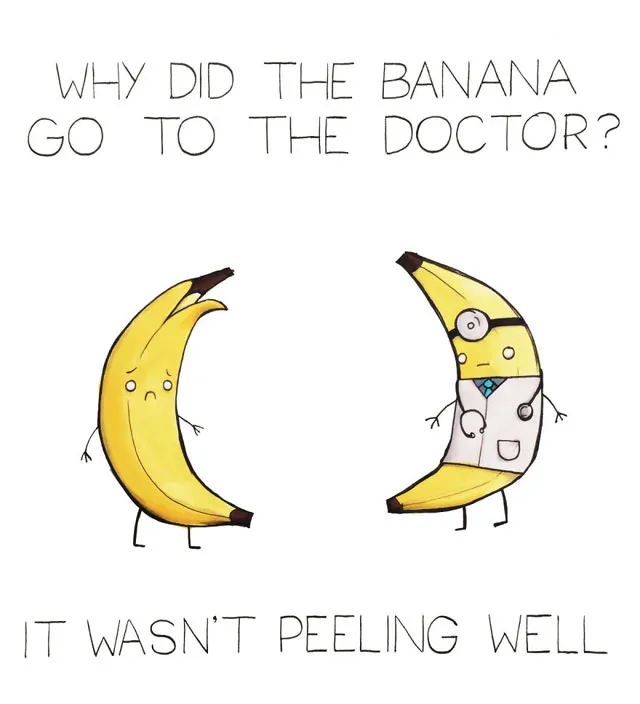
Introduction
Language is more than a way to communicate information. It is also a powerful tool for expressing creativity, sharing humor, and connecting with other people. Sometimes, a single word can have two meanings, or two words can sound so similar that they create an unexpected joke. These clever combinations make conversations more entertaining and give ordinary sentences an amusing twist. This form of wordplay has remained popular for generations because it encourages people to think differently about familiar words and expressions.
Puns are a well-known form of humor that uses the multiple meanings of words, similar sounds, or unexpected linguistic connections to create amusing effects. They can appear in casual conversations, advertisements, greeting cards, newspaper headlines, comedy performances, and online posts. A simple example is the sentence, “I used to be a baker, but I couldn’t make enough dough.” The humor comes from the word “dough,” which refers both to bread-making ingredients and to money. Understanding the double meaning makes the joke work.
In today’s digital environment, wordplay has found new opportunities to reach audiences through social media, memes, short videos, messaging applications, and creative marketing campaigns. People often appreciate humor that is quick to understand and easy to share. Clever language can make a message memorable without requiring a long explanation. Learning how wordplay works can therefore help readers appreciate jokes, improve their writing, and develop a more creative approach to everyday communication.
What Are Puns?
A pun is a figure of speech that creates humor or a clever effect by using words with multiple meanings or words that sound alike but have different meanings. The technique relies on the relationship between language and interpretation. A reader or listener initially understands a phrase in one way, then discovers another possible meaning that changes the sentence’s interpretation. This unexpected connection produces the humorous effect.
Consider the sentence, “The bicycle couldn’t stand on its own because it was two-tired.” The joke works because “two-tired” sounds like “too tired.” One interpretation suggests that the bicycle has two tires, while the other describes someone who feels exhausted. The wordplay creates a humorous connection between the physical structure of a bicycle and a familiar expression about tiredness.
Not every example needs to produce loud laughter. Some wordplay is subtle, intelligent, or intentionally silly. A restaurant might advertise that its meals are “souper,” playing on the similarity between “super” and “soup-er.” A gardener might say that a difficult situation is becoming “un-be-leaf-able,” connecting an expression of surprise with the leaves of a plant. These examples demonstrate how small changes in interpretation can make ordinary language more engaging.
Why Is Wordplay So Popular?
Humor often works best when it surprises people without confusing them. Wordplay creates this balance by using familiar language in an unexpected way. When someone hears a joke and recognizes its second meaning, the discovery can produce a feeling of satisfaction. The listener participates in the humor by mentally connecting the different interpretations rather than simply receiving a joke passively.
Another reason this technique remains popular is its flexibility. It can be adapted to different audiences, subjects, and communication styles. Children may enjoy simple jokes involving animals, food, or everyday objects, while adults may appreciate clever references to work, technology, relationships, and cultural experiences. Writers can also use wordplay to communicate complicated ideas in a more approachable manner.
Digital communication has made short, memorable jokes especially convenient. Social media captions, memes, and short-form videos often depend on language that attracts attention immediately. A well-constructed joke can encourage people to comment, share a post, or create their own variations. However, the quality of a joke depends on its context and audience. A clever expression that works in a casual conversation may not be suitable for a serious announcement or professional document.
Different Types of Puns
Wordplay can be classified according to how the words create their double meanings or humorous connections. Some examples depend on sound, while others rely on the meanings of individual words or the way a sentence is structured. Recognizing these differences makes it easier to understand why certain jokes work and how writers can create their own.
1. Homophonic Wordplay
Homophonic wordplay uses words that sound alike but have different meanings or spellings. These similarities allow a sentence to suggest two interpretations at once. For example, “I scream whenever I see ice cream” connects the phrase “I scream” with the dessert “ice cream.” Although the words are different in meaning, their similar pronunciation creates the joke.
This type of humor is particularly useful in spoken conversations because listeners hear the sound before considering the spelling. It also works well in written captions when the reader recognizes the familiar expression hidden within the sentence. The strongest examples usually depend on a natural connection between the words rather than a forced similarity.
2. Homographic Wordplay
Homographic wordplay uses words that share the same spelling but have different meanings. In some cases, the words also have different pronunciations. The humor comes from the reader recognizing that a single written form can represent two distinct ideas.
For example, consider the sentence, “The farmer was outstanding in his field.” The word “outstanding” usually means excellent or exceptional. However, the sentence also suggests that the farmer is physically standing outside in a field. The two interpretations create a simple joke based on the relationship between an expression and its literal meaning.
This technique can be particularly effective in written communication because readers may initially understand a phrase figuratively before recognizing its literal interpretation. It is also useful in headlines, creative writing, and advertising, where a short phrase needs to communicate more than one idea.
3. Homonymic Wordplay
Homonymic wordplay uses words that share a spelling or pronunciation but have different meanings. These words allow writers to create sentences that appear straightforward while suggesting an additional interpretation.
For instance, someone might say, “The calendar’s days are numbered.” The expression “days are numbered” commonly suggests that something has limited time remaining. When applied to a calendar, however, it also refers to the numbers used to identify individual days. The humor comes from combining a familiar expression with the object’s practical function.
This approach can be effective because it encourages readers to reconsider ordinary expressions. Writers often use similar techniques to create memorable headlines, playful product descriptions, and short jokes that work on more than one level.
4. Visual and Written Wordplay
Some jokes depend on how words appear on a page or screen rather than how they sound. A graphic designer might place the word “grow” inside an illustration of a plant, using the relationship between the word and the image to reinforce a message. Similarly, a café could display the phrase “Espresso yourself” to connect the name of a coffee drink with the expression “express yourself.”
Visual wordplay is especially useful in advertising, packaging, posters, and social media graphics. The written phrase and its surrounding design work together to communicate the joke. When the connection is clear, the audience can understand the message quickly and remember it more easily.
5. Compound and Contextual Wordplay
Compound wordplay combines words or phrases to produce a humorous expression. For example, “I wanted to become a professional fisherman, but I couldn’t live on my net income.” The phrase “net income” normally refers to earnings after certain deductions, while “net” also relates to fishing equipment.
Contextual wordplay, meanwhile, depends on the situation in which a phrase appears. A person working in a bakery might say, “We knead to work together,” using the similarity between “knead” and “need.” The bakery setting makes the joke more relevant because kneading is an essential part of preparing many types of dough.
These forms are particularly effective when the subject and the joke naturally support each other. The connection feels more satisfying when readers do not have to work too hard to understand it.
Funny Examples of Puns for Everyday Use
One of the easiest ways to understand wordplay is to explore examples from familiar situations. Everyday subjects provide countless opportunities for humor because most people already understand the words and expressions involved. Food, animals, school, work, travel, and relationships are especially useful topics because they offer many words with multiple meanings or similar sounds.
Food-related jokes are among the most accessible examples. Someone might say, “Lettuce celebrate!” to turn the word “lettuce” into a playful version of “let us.” Another person might joke, “I relish the opportunity to eat a hot dog,” connecting enjoyment with a condiment commonly served alongside the food. These jokes are simple enough for casual conversation and can be adapted for restaurant menus, party invitations, and food-related captions.
Animal jokes provide another popular category. A person might say, “A sleeping bull is called a bulldozer,” creating a humorous connection between an animal and a machine. Another example is, “The cat was reading a book about claws and effect,” which adapts the legal expression “cause and effect” into an animal-related phrase. Such jokes often appeal to children because the subject is familiar and the wordplay is easy to recognize.
Workplace humor can also make ordinary situations more entertaining. Someone who repairs watches might say, “I make every second count.” A musician could explain, “I have a note-worthy career.” Meanwhile, a computer technician might say, “My computer has a good memory, but it still forgets where I saved my files.” The last example relies more on personification than a traditional pun, but it demonstrates how language-based humor can make familiar frustrations amusing.
Here are a few additional examples that illustrate different forms of wordplay:
- For food lovers: “The bread was feeling crumby today.”
- For students: “The math teacher has too many problems.”
- For gardeners: “I’m rooting for you.”
- For technology fans: “My computer needed a break, so I let it rest.”
These short expressions can be used in casual messages, greeting cards, captions, or friendly conversations. Their appeal comes from combining a familiar phrase with a second meaning that fits the subject.
How Puns Are Used in Modern Communication
Wordplay has a place in many forms of communication because it can make a message more distinctive without requiring a lengthy explanation. In everyday conversations, people use it to lighten the mood, respond playfully to a comment, or make an otherwise ordinary observation more memorable. Friends might exchange jokes in a group chat, while colleagues may use a mild play on words to make an informal presentation more engaging.
Social media has created additional opportunities for this type of humor. Short captions and memes frequently depend on phrases that are easy to understand and share. A photograph of a sleepy cat might be accompanied by the caption “Purr-haps I need a nap,” while a picture of a garden could use the phrase “Lettuce turnip the beet.” These examples combine visual context with familiar expressions, allowing the audience to understand the joke almost immediately.
Businesses also use wordplay to create memorable brand messages. A bakery could advertise its products with the phrase “Our business is on the rise,” referring both to business growth and the rising of dough. A coffee shop might use “Better latte than never” to promote a seasonal drink. When these expressions match the business’s products and personality, they can make advertising feel friendly rather than overly formal.
However, effective communication requires more than clever language. A joke should suit the audience, purpose, and setting. A playful caption may work well on an entertainment account but could distract from an important public notice. Similarly, international audiences may not recognize a joke based on a local expression or a pronunciation specific to one language. Clear communication should remain the priority whenever the message contains essential information.
Comparing Different Types of Wordplay
Understanding the main categories of wordplay can help writers identify the technique behind a joke and choose the most suitable approach for a particular purpose.
| Type | How It Works | Example | Common Use |
|---|---|---|---|
| Homophonic | Uses words or phrases that sound alike | “I scream” and “ice cream” | Spoken jokes and captions |
| Homographic | Uses the same spelling with different meanings | “The farmer was outstanding in his field” | Headlines and written humor |
| Homonymic | Uses a shared spelling or pronunciation with different meanings | “The calendar’s days are numbered” | Creative writing and jokes |
| Visual | Combines words with images or graphic design | “Espresso yourself” | Advertising and social media |
| Contextual | Connects a familiar phrase to a specific subject | “We knead to work together” | Conversations and themed content |
Although these categories overlap, each highlights a different way of creating humor. A writer does not always need to identify the technical category before using a joke. Instead, understanding the basic mechanisms can help them recognize opportunities for wordplay and avoid expressions that feel unnatural or confusing.
How to Create Effective Wordplay
Creating a good joke often begins with an ordinary word that has more than one meaning. Start by choosing a subject, such as food, sports, technology, animals, or travel. Then identify words associated with that subject and consider whether any of them appear in familiar expressions. A baker might explore words such as dough, knead, roll, rise, and flour. A technology enthusiast could experiment with terms such as mouse, screen, cloud, memory, and connection.
The next step is to build a sentence that makes both meanings relevant. Simply placing two similar words together does not automatically create an effective joke. The sentence should provide enough context for readers to recognize the intended connection. For example, “The baker always rises to the occasion” works because rising is associated with baking while “rising to the occasion” is a familiar expression meaning to respond successfully to a challenge.
It is also important to consider rhythm, clarity, and originality. A joke that requires a lengthy explanation may lose its impact, especially in a short caption. Reading the sentence aloud can help identify awkward wording and pronunciation-based connections that are not obvious on the page. Testing a joke with a small audience can also reveal whether the meaning is clear.
A practical process for developing original wordplay involves four steps:
- Choose a familiar topic and list its related words.
- Identify words with multiple meanings or similar sounds.
- Create a sentence that connects both interpretations naturally.
- Revise the wording to make the joke clear, concise, and relevant.
The goal is not to make every sentence funny. Instead, it is to use language creatively when a playful expression adds value to the message. The best jokes often feel effortless because the words fit the subject so naturally that the second meaning becomes an enjoyable surprise.
Benefits of Using Wordplay in Writing
Clever language can make writing more memorable by giving readers something unexpected to notice. A familiar phrase presented in a new context may encourage people to pause, consider the wording, and remember the message. This can be useful in blog headings, advertisements, greeting cards, educational materials, and informal storytelling.
Wordplay can also encourage linguistic awareness. Readers begin to notice relationships between words, expressions, sounds, and meanings. This can support vocabulary development and creative thinking, particularly for people learning a language. Students may find it easier to remember a word when they encounter it in a humorous sentence rather than through a definition alone. Teachers can use simple jokes to introduce vocabulary, demonstrate ambiguity, or encourage learners to explore alternative interpretations.
In professional writing, a carefully placed joke can make a brand feel approachable and distinctive. However, it should support the main message rather than compete with it. Overusing jokes can make content feel repetitive, while obscure references may exclude readers who are unfamiliar with the underlying expression. Writers should therefore balance creativity with clarity, relevance, and audience expectations.
Common Mistakes to Avoid
The biggest mistake when creating wordplay is forcing a connection between words that do not naturally belong together. A joke may technically contain two meanings, but if the relationship feels too complicated, readers may not understand it. Choosing a familiar expression and adapting it to a relevant topic usually produces a stronger result than changing several words simply to create a rhyme.
Another common problem is relying on jokes that have already become overly familiar. Traditional expressions can still be entertaining, but repeating the same examples without adding a new perspective may make content feel predictable. Writers can improve familiar jokes by adapting them to a specific situation, audience, or current topic without sacrificing clarity.
Context is equally important. A joke that works in a conversation between friends may not be appropriate in a sensitive announcement or formal business report. Some expressions may also carry unintended meanings in different cultures or languages. Reviewing the wording from the audience’s perspective helps ensure that humor remains inclusive, understandable, and suitable for the situation.
Frequently Asked Questions
1. What is the main purpose of a pun?
The main purpose is to create humor, emphasize an idea, or make language more memorable by connecting words with multiple meanings or similar sounds. Writers and speakers use this technique in conversations, advertisements, literature, and social media. Depending on the context, it can entertain an audience, make a message more engaging, or encourage readers to think about language in a new way.
2. What is the difference between a pun and a regular joke?
A regular joke can use many techniques, including storytelling, exaggeration, surprise, irony, and unexpected situations. A pun specifically relies on the relationship between words, such as different meanings or similar pronunciations. For example, a joke about a surprising event might depend on an unexpected ending, while a joke about a baker making enough dough depends on the double meaning of “dough.”
3. Are puns suitable for professional writing?
Yes, when they fit the audience and purpose. Businesses may use wordplay in advertising slogans, social media captions, product descriptions, and informal presentations to create a friendly impression. However, professional writers should avoid using it excessively or inserting it into situations where clarity and seriousness are more important than entertainment.
4. Why do some wordplay examples work better than others?
Effective wordplay usually combines a recognizable expression with a second meaning that fits the subject. Readers should be able to understand the connection without needing a long explanation. Timing, familiarity, cultural context, and sentence structure can all affect how well a joke works. A natural connection generally feels more satisfying than one that has been forced into a sentence.
5. Can wordplay help improve language skills?
Yes. Exploring multiple meanings, similar sounds, and familiar expressions can help learners develop vocabulary and become more aware of how language works. Creating jokes also encourages experimentation with sentence structure and word choice. However, learners should remember that pronunciation, idioms, and cultural references can differ across languages, so not every joke translates directly.
6. How can beginners write their own wordplay examples?
Beginners can start with familiar subjects such as food, animals, school, sports, or technology. They should list related words, identify possible double meanings, and use those connections in short, understandable sentences. Reading the result aloud and asking someone else to interpret it can help reveal whether the joke works naturally. With practice, writers can develop a more creative approach to everyday language.
Conclusion
Wordplay demonstrates how language can communicate more than one idea at a time. By connecting different meanings, similar sounds, and familiar expressions, writers and speakers can turn ordinary sentences into memorable moments of humor. From simple jokes about food and animals to creative advertising slogans and social media captions, this technique offers countless opportunities to make communication more engaging.
Understanding the different types of Puns can help readers recognize the linguistic patterns behind popular jokes and give writers practical ways to experiment with language. The most effective examples are usually clear, relevant, and easy to understand, allowing the audience to discover the second meaning without unnecessary effort. Although humor depends on individual preferences and cultural context, a well-constructed play on words can often bring a little creativity to an ordinary interaction.
As digital communication continues to influence how people share ideas, concise and memorable language remains valuable. Whether someone is writing a blog, creating a caption, preparing an advertisement, or simply chatting with friends, thoughtful wordplay can add personality and make a message stand out. The key is to keep the wording natural, respect the audience, and let the clever connection enhance the message rather than overwhelm it.