

Introduction
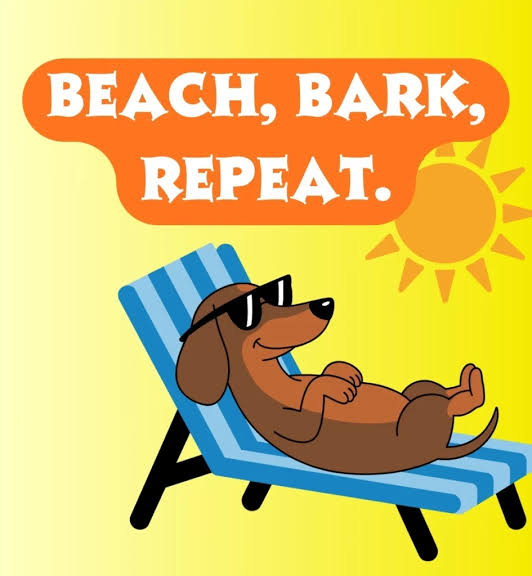
Dogs have a special way of making ordinary moments feel more enjoyable. Whether they are chasing a ball, sleeping in an unusual position, greeting their favorite person, or simply giving a funny look, dogs naturally create opportunities for humor. That is one reason dog puns have become such a popular way to add personality to conversations, social media captions, greeting cards, and everyday messages. A clever phrase can turn a simple dog picture into something memorable and make people smile without requiring a complicated joke. The best part about dog-related wordplay is its flexibility. It can be silly, clever, heartwarming, or completely ridiculous, depending on the situation. From playful references to barking and wagging tails to creative twists involving paws and treats, there are endless ways to build humorous expressions around our four-legged friends.
Why Dog Humor Is So Popular
Dog humor works because dogs are already associated with expressive behavior and entertaining personalities. A puppy running around the house can look hilarious without trying, while an older dog resting on the sofa may appear to have a surprisingly serious attitude. These natural situations give people plenty of inspiration for playful language. Dog puns can also create an instant sense of friendliness because they are generally lighthearted and easy to understand. People can use them when talking with friends, writing captions, naming photos, or simply making someone laugh during a conversation. Unlike complicated forms of humor that depend on specific references, dog-themed wordplay can appeal to a wide audience. Even someone who is not particularly interested in word games can usually appreciate a clever joke involving paws, tails, treats, or barking.
Creative Wordplay for Dog Lovers
One of the easiest ways to create dog-related humor is by changing familiar expressions into canine-themed phrases. Words such as “paws,” “fur,” “bark,” “tail,” “fetch,” and “treat” provide excellent opportunities for playful combinations. A normal expression can become much more entertaining when one ordinary word is replaced with something connected to dogs. This simple technique allows people to create personalized jokes without needing to memorize a long list of prepared lines. Dog puns can also be adjusted to match different personalities. A playful puppy might inspire energetic expressions, while a sleepy dog could lead to jokes about naps and relaxation. A mischievous pet might inspire humorous references to trouble, while a loyal companion could inspire warmer and more affectionate wordplay.
Funny Ideas for Social Media Captions
Social media provides one of the best places to use canine humor. A photograph of a dog sitting proudly, playing outside, enjoying a snack, or wearing a funny outfit can become more engaging when paired with an appropriate caption. Instead of using a basic description, owners can add a short phrase that reflects the dog’s personality or the situation in the photograph. A confident dog might deserve a caption that suggests it is the leader of the household, while a puppy caught making a mess could inspire a playful excuse. Dog puns are especially useful for captions because they can be short enough to read quickly while still adding character to the post. They can make ordinary photographs feel more creative and encourage friends and followers to interact with the content.
Dog Puns for Cards and Messages
Dog-themed humor is also useful when creating birthday cards, thank-you notes, invitations, and casual messages. A dog lover may appreciate a playful phrase much more than a generic greeting because it adds a personal touch. For example, a birthday message can include references to treats, walks, wagging tails, or endless happiness. A thank-you message can use playful language to make appreciation feel warmer and less formal. The goal is not necessarily to make the recipient laugh loudly. Sometimes a small smile is enough to make a message feel memorable. When used appropriately, dog puns can transform simple communication into something that feels cheerful and personal. They work particularly well for people who consider their pets part of the family and enjoy incorporating their love of dogs into everyday occasions.
Matching Humor With Different Dog Personalities
Every dog has a unique personality, and humor becomes more effective when it reflects that individuality. An energetic dog may seem like the perfect inspiration for jokes about running, jumping, chasing, or having unlimited energy. A dog that spends most of the day sleeping might inspire completely different expressions about relaxation and taking life slowly. Similarly, a dog that constantly begs for food can become the star of jokes about snacks and treats. Observing a pet’s habits can therefore provide an endless supply of creative material. Dog puns do not always have to follow a traditional joke structure. Sometimes a simple phrase that accurately describes a dog’s behavior can be funnier than a carefully constructed punchline. Personal observation often produces the most relatable humor.
Making Everyday Conversations More Playful
Humor does not have to be limited to social media or special occasions. Dog-themed wordplay can easily become part of everyday conversations. Friends who love animals can exchange playful expressions when discussing walks, training, food, toys, or funny things their pets have done. Even a short message can become more entertaining when it includes a clever canine reference. This kind of humor can also help create a relaxed atmosphere because it is generally positive and harmless. When someone shares a funny story about their dog, responding with a playful phrase can keep the conversation going. The key is to avoid forcing the joke. Natural humor usually works best when it connects directly to the situation being discussed.
Using Dog Humor Without Overdoing It
Although wordplay can be entertaining, using too many jokes at once can make writing feel repetitive. The strongest humorous phrases are usually short, relevant, and easy to understand. If every sentence contains a pun, the reader may become distracted from the main message. Instead, one well-placed expression can have a stronger effect. It is also useful to consider the audience. A playful caption for friends can be much more casual than a message intended for a professional audience. Choosing the right level of humor helps the joke feel natural rather than forced. Dog puns are most effective when they support the mood of the content instead of becoming the entire focus. Good wordplay should add something to the message, not make the message difficult to understand.
Why Simple Puns Often Work Best
Complicated jokes are not always better jokes. In fact, simple wordplay can often produce the biggest reaction because readers understand it immediately. Dog-related humor naturally lends itself to this approach because many familiar words can be adapted into playful expressions. A small change to an ordinary phrase can create a surprising result. The humor comes from recognizing the original expression and then noticing the canine twist. This makes the joke accessible to people of different ages and backgrounds. Simple wordplay can also be reused in many situations, from captions and text messages to cards and casual conversations. The versatility of these expressions is one reason dog-themed humor continues to remain popular among pet owners and animal lovers.
Creating Your Own Dog-Themed Expressions
Creating original canine wordplay can be easier than it first appears. Start by thinking about common words associated with dogs, such as paws, bones, treats, tails, barking, fetching, walking, and fur. Then consider familiar expressions that contain words which can be replaced or modified. The result does not need to be perfect. In many cases, the sillier the phrase sounds, the more entertaining it becomes. Another approach is to observe what the dog is doing at the moment. A puppy falling asleep while playing, refusing to leave the park, or staring at a treat can each inspire a different expression. Creating your own dog puns gives your writing a more personal quality because the humor is connected to a specific pet or situation.
The Appeal of Positive Animal Humor
Animal-based humor generally works well because it brings together entertainment and affection. Dogs are commonly associated with loyalty, companionship, excitement, and happiness, so jokes about them often carry a positive emotional tone. Even when a joke describes a dog’s mischievous behavior, it is usually presented affectionately rather than negatively. This makes dog-themed humor suitable for many different types of content. It can brighten a difficult day, add warmth to a greeting, or make a photograph more memorable. For dog owners, these jokes can also reflect the special relationship they share with their pets. A funny phrase may capture a tiny moment that would otherwise be forgotten.
Conclusion
Dogs bring laughter into people’s lives through their behavior, expressions, and personalities, making them a natural source of creative humor. Dog puns provide a simple way to turn that everyday entertainment into playful captions, messages, greetings, and conversations. Whether the humor is based on paws, treats, barking, tails, or a dog’s unique personality, there are countless possibilities for creating memorable expressions. The most effective wordplay does not need to be complicated. It simply needs to fit the moment and bring a little joy to the reader. By paying attention to a dog’s habits and experimenting with familiar phrases, anyone can develop their own collection of funny canine expressions. In the end, the best dog humor does exactly what dogs often do themselves: it makes an ordinary moment a little happier.