


In today’s highly competitive online marketplace, visual content plays a crucial role in influencing purchasing decisions. Customers often cannot physically inspect products before buying, making high-quality images one of the most powerful tools for building trust and increasing conversions. This is where product photography becomes essential. Well-crafted product photos showcase details, highlight features, and communicate value in ways that text alone cannot achieve.
Whether you run an e-commerce store, sell through online marketplaces, or promote products on social media, investing time in creating professional images can significantly improve customer engagement. High-quality photos help businesses establish credibility, reduce product returns, and improve brand perception.
This comprehensive guide explores everything you need to know about product photography, including equipment, lighting, techniques, editing, and best practices. By understanding these principles, you can create compelling visuals that attract customers and drive more sales.
Why Product Photography Matters
The success of online shopping depends heavily on visual presentation. Consumers often make judgments about a product within seconds of viewing it. High-quality images can instantly communicate professionalism, reliability, and quality.
When businesses use professional-looking product images, customers gain confidence in their purchase decisions. Clear photographs reduce uncertainty by accurately showing product size, texture, color, and functionality. As a result, shoppers are less likely to abandon their carts or return products after purchase.
Another major benefit of product photography is brand consistency. Consistent lighting, angles, and styling create a cohesive visual identity across all marketing channels. This helps customers recognize your brand and associate it with quality.
Additionally, product photos play an important role in search visibility and social media marketing. Attractive visuals encourage sharing, improve engagement, and increase click-through rates, making them an essential component of any digital marketing strategy.
Essential Equipment for Product Photography
While professional studios use advanced equipment, beginners can achieve excellent results with relatively simple tools. The key is understanding how each piece of equipment contributes to image quality.
Camera Options
Modern cameras offer exceptional image quality, but even smartphones can produce impressive results when used correctly. The best choice depends on your budget and photography goals.
Popular options include:
- DSLR cameras
- Mirrorless cameras
- Compact cameras
- High-end smartphones
A camera with manual controls provides greater flexibility for adjusting exposure, focus, and depth of field.
Tripods and Stabilization
A sturdy tripod helps maintain consistency and prevents blurry images caused by camera movement. It is particularly useful when photographing products under controlled lighting conditions.
Lighting Equipment
Good lighting is arguably more important than the camera itself. Common lighting tools include:
- Softboxes
- LED panels
- Ring lights
- Reflectors
- Diffusers
Proper lighting helps reveal product details while minimizing harsh shadows and reflections.
Understanding Lighting Techniques
Lighting is the foundation of successful product photography. Even the most expensive camera cannot compensate for poor lighting conditions.
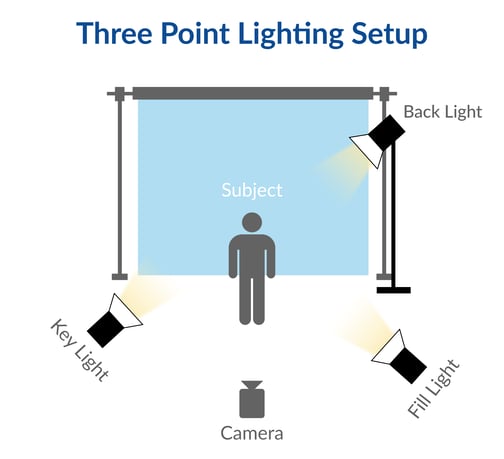
Natural light is often a great option for beginners. Positioning products near a large window provides soft, even illumination that enhances colors and textures. However, natural light can be inconsistent throughout the day.
Artificial lighting offers greater control and consistency. Studio lights allow photographers to maintain the same look across multiple product shoots. Soft lighting is generally preferred because it reduces harsh shadows and creates a clean appearance.
The placement of lights significantly impacts the final image. Front lighting illuminates the product evenly, while side lighting emphasizes texture and depth. Backlighting can create dramatic effects when used strategically.
Experimenting with different lighting angles helps photographers discover the most flattering presentation for each product type. Understanding light behavior is one of the most valuable skills in professional product photography.
Types of Product Photography
Different products require different photographic approaches. Choosing the right style helps communicate the product’s purpose and appeal.
| Photography Type | Purpose | Best For |
|---|---|---|
| White Background | Clean product display | E-commerce stores |
| Lifestyle Photography | Shows product in use | Marketing campaigns |
| Flat Lay Photography | Creative top-down view | Fashion and accessories |
| Detail Shots | Highlight features | Electronics and luxury items |
| Group Photography | Showcase multiple items | Product collections |
| 360-Degree Photography | Interactive viewing | Online retail |
Each style serves a specific purpose and can be combined to create a complete product presentation.
Creating a Professional Background
Background selection significantly influences how customers perceive a product. The background should complement rather than distract from the subject.

White backgrounds remain the industry standard because they provide a clean and professional appearance. Many e-commerce platforms prefer white backgrounds because they create consistency across product listings.
Colored backgrounds can add personality and reinforce branding when used thoughtfully. Neutral tones often work well because they maintain focus on the product while adding visual interest.
Lifestyle backgrounds place products within real-world environments. For example, kitchen tools can be photographed in a kitchen setting, while fitness equipment may be shown in a gym environment.
The most important rule is ensuring that the background supports the product’s story without overwhelming the viewer.
Composition Tips for Better Product Images
Strong composition helps guide the viewer’s attention and makes product images more visually appealing. Thoughtful composition can transform an ordinary photograph into a compelling marketing asset.
Start by identifying the product’s most important features. Position the product so these details are clearly visible. Avoid clutter and unnecessary props that may distract from the main subject.
Some useful composition techniques include:
- Rule of thirds
- Leading lines
- Symmetry
- Negative space
- Framing
Consistency is especially important when photographing multiple products. Maintaining similar angles, spacing, and positioning creates a professional look across your catalog.
Successful product photography relies on balancing creativity with clarity. Customers should immediately understand what is being sold and why it is valuable.
Camera Settings for Product Photography
Understanding camera settings allows photographers to capture sharper and more detailed images. While automatic modes can produce acceptable results, manual settings offer greater control.
Aperture
A smaller aperture (higher f-number) increases depth of field, ensuring that more of the product remains in focus. This is particularly useful for larger products.
Shutter Speed
When using a tripod, slower shutter speeds can be used without introducing blur. This allows more light to reach the sensor.
ISO
Keeping ISO as low as possible minimizes noise and preserves image quality. Controlled lighting environments make low ISO settings easier to achieve.
Proper camera settings contribute significantly to professional-looking product photography and help maintain consistency across product images.
Editing and Post-Processing Techniques
Photography does not end when the shutter is pressed. Post-processing plays a vital role in enhancing image quality and ensuring consistency.
Editing software allows photographers to correct exposure, adjust colors, remove imperfections, and optimize images for online use. However, editing should enhance reality rather than misrepresent the product.
Common editing tasks include:
- Color correction
- Exposure adjustment
- Background cleanup
- Dust removal
- Cropping and alignment
- Sharpening
Consistency is key during editing. Applying similar adjustments across an entire product catalog creates a unified and professional appearance.
Professional editing helps products look their best while maintaining accuracy, which is essential for customer satisfaction and trust.
Common Mistakes to Avoid
Even experienced photographers occasionally make mistakes that reduce image effectiveness. Recognizing these issues can improve results significantly.
One common mistake is using insufficient lighting. Poor lighting creates noise, shadows, and inaccurate colors that negatively impact product presentation.
Another issue is cluttered backgrounds. Busy scenes distract customers from the product and reduce visual clarity.
Over-editing is also problematic. Excessive retouching can make products appear unrealistic, leading to customer disappointment after purchase.
Other mistakes include:
- Inconsistent image styles
- Poor focus
- Incorrect white balance
- Low image resolution
- Limited product angles
Avoiding these errors helps ensure that product photography accurately represents products while maintaining a professional appearance.
Advanced Techniques for E-Commerce Success
As competition increases, businesses must find ways to differentiate their product images. Advanced photography techniques can create a stronger visual impact.
Lifestyle photography remains one of the most effective approaches because it helps customers imagine using the product. Showing products in realistic situations adds emotional appeal and context.
Macro photography is another valuable technique, especially for products with intricate details. Close-up images reveal craftsmanship, texture, and premium materials that may otherwise go unnoticed.
Interactive photography, including 360-degree views, gives customers a more comprehensive understanding of products. These experiences increase engagement and improve buyer confidence.
Businesses that continuously refine their visual content strategy often see stronger customer engagement, higher conversion rates, and improved brand recognition.
Conclusion
High-quality product images are no longer optional in modern e-commerce—they are essential. Effective product photography helps businesses attract attention, build trust, and influence purchasing decisions. From selecting the right equipment and mastering lighting to refining composition and editing techniques, every element contributes to creating compelling product visuals.
Read more: Photography Ideas: Creative Inspiration for Stunning Photos