

Introduction
Humor has always been an important part of human communication, helping people express emotions, build relationships, and enjoy ordinary moments. Among the many forms of humor, clever wordplay holds a special place because it combines language, creativity, and unexpected meanings. A simple sentence can become surprisingly entertaining when a familiar word takes an unusual direction. Whether someone is sharing a joke with friends, writing a social media caption, or making a conversation more interesting, playful language creates opportunities for laughter. Puns are particularly appealing because they transform everyday expressions into amusing surprises that encourage listeners to think and smile simultaneously.
The beauty of wordplay lies in its simplicity and accessibility. People do not need expensive entertainment, complicated storytelling, or professional comedy skills to appreciate a clever joke. Sometimes, a single sentence containing two possible meanings can produce more laughter than a lengthy humorous story. This makes wordplay especially valuable in modern communication, where people frequently exchange short messages, comments, and captions. A witty expression can instantly attract attention and make an ordinary interaction memorable.
In today’s digital environment, humor travels faster than ever. Social networking platforms, messaging applications, online communities, and short-form videos have created new opportunities for creative language. People regularly share amusing captions, unexpected jokes, and playful expressions that reflect everyday experiences. Understanding why this style of humor remains popular reveals fascinating connections between language, psychology, creativity, and social interaction.
Understanding the Unique Appeal of Clever Wordplay
Clever wordplay involves using language in imaginative ways to create humor, surprise, or additional meaning. Instead of relying entirely on storytelling, it often depends on the relationship between words, sounds, and interpretations. A sentence may initially appear ordinary, but a slight change in context reveals a second meaning that transforms the entire message. This unexpected shift makes wordplay entertaining because the listener must recognize the connection between different interpretations.
For example, the sentence “I used to be a baker, but I couldn’t make enough dough” works because the word “dough” refers both to a baking ingredient and, informally, to money. The humor comes from recognizing these meanings together. Similar expressions appear throughout everyday conversations, advertising campaigns, entertainment programs, and social media content. Puns encourage people to look beyond the most obvious interpretation of language, making even familiar words feel fresh and entertaining.
How Unexpected Meanings Create Instant Humor
Surprise is one of the most important elements of successful comedy. When people hear a sentence, their minds naturally predict what will come next based on familiar language patterns. Clever wordplay interrupts that expectation by introducing a different meaning or an unusual connection. The listener briefly experiences confusion before recognizing the intended joke, and that moment of discovery often produces laughter.
Consider the expression “The bicycle couldn’t stand on its own because it was two-tired.” The joke combines the sound of “too tired” with the physical presence of two tires. Although the sentence is simple, it creates an entertaining connection between an object and a human characteristic. This playful interpretation demonstrates how language can turn ordinary situations into humorous experiences without requiring complicated explanations.
The Psychology Behind Why People Enjoy Funny Language
Human beings naturally enjoy recognizing patterns, solving small problems, and discovering unexpected connections. Wordplay activates these tendencies by presenting a linguistic puzzle that can be solved almost instantly. When listeners understand the hidden meaning, they may experience a small sense of satisfaction alongside amusement. This combination helps explain why short verbal jokes can be surprisingly memorable.
Humor also influences emotional experiences. Laughter can help people feel more relaxed, encourage positive social interaction, and temporarily shift attention away from stressful situations. While a joke cannot solve serious problems, it can make ordinary challenges feel less overwhelming. Puns are particularly effective in casual environments because they usually require little preparation and can be introduced naturally during conversation. Their lighthearted character makes them suitable for many everyday interactions.
The Role of Surprise and Mental Connections
The brain constantly interprets language by connecting words with previous knowledge and experience. When a phrase introduces an unexpected meaning, the listener must quickly reconsider the original interpretation. This mental adjustment is an important part of appreciating verbal humor. Researchers studying humor often describe the relationship between incongruity and resolution, where an unexpected idea becomes amusing once its hidden logic is understood.
However, not every unexpected phrase automatically becomes funny. Successful wordplay requires a connection that feels surprising but understandable. If the relationship between meanings is too obvious, the joke may seem predictable. If it is excessively complicated, the listener may struggle to understand it. The most entertaining expressions often achieve a balance between familiarity and surprise, allowing people to recognize the humor without lengthy explanations.
Why Puns Have Become Popular in Modern Digital Culture
Digital communication has transformed the way people create, share, and experience humor. Social media platforms encourage short, memorable content that communicates ideas quickly. A clever sentence can become an engaging caption, a humorous comment, or a memorable response within seconds. This environment naturally favors wordplay because it delivers entertainment without requiring a lengthy explanation.
Modern audiences also enjoy content that feels relatable and easy to share. A joke about coffee, work, relationships, pets, or daily responsibilities can connect with people from different backgrounds. For example, a photograph of a sleepy cat accompanied by the caption “You’ve got to be kitten me” combines a familiar expression with an amusing animal reference. Such humor fits naturally into visual storytelling and encourages playful interaction between creators and their audiences.
Social Media Captions and Creative Communication
Captions have become an important part of online expression because they provide personality and context to photographs and videos. Instead of describing an image literally, creators often use witty phrases that introduce an additional layer of entertainment. A photograph taken at the beach might include the caption “Seas the day,” transforming a familiar motivational expression into a playful reference to the ocean.
This style of communication also helps individuals establish recognizable online personalities. Some creators prefer sarcastic observations, while others use wholesome jokes or cheerful wordplay. Brands frequently adopt similar approaches when their audience and tone make playful communication appropriate. The effectiveness of these captions depends on originality, timing, and relevance rather than simply adding humor to every post.
How Clever Humor Strengthens Everyday Conversations
Communication involves more than exchanging information. People also use language to express personality, establish trust, and create emotional connections. Humor can make conversations feel more welcoming because it introduces moments of shared enjoyment. A well-timed joke may reduce awkwardness during introductions, encourage participation in group discussions, or make an ordinary interaction more memorable.
Puns work especially well in relaxed conversations because they can emerge naturally from the subject being discussed. For example, someone talking about gardening might jokingly say, “I’m rooting for you.” The phrase offers encouragement while introducing a playful connection to plants. Such expressions can make conversations warmer without requiring a complete change of topic. However, successful humor also depends on understanding the audience and recognizing when a serious response would be more appropriate.
Building Friendships Through Shared Laughter
Shared laughter often creates a sense of connection because people experience the same amusing moment together. Friends may develop inside jokes based on memorable conversations, unusual expressions, or funny misunderstandings. Over time, these small experiences become part of their shared history and contribute to a feeling of familiarity.
Wordplay can also help people express affection in a lighthearted manner. A message such as “You’re one in a melon” communicates appreciation through a playful variation of a familiar compliment. Although the expression is intentionally silly, its warmth can make it appealing in friendships, family conversations, and casual greetings. The emotional value comes not only from the joke itself but also from the intention behind sharing it.
Different Types of Wordplay That Make People Laugh
Wordplay includes several linguistic techniques, each producing humor through a different relationship between words and meanings. Understanding these techniques helps explain why some jokes depend on pronunciation while others rely on context, spelling, or unexpected interpretation.
| Type of wordplay | How it works | Example |
|---|---|---|
| Homophonic wordplay | Uses words or expressions with similar sounds | “Lettuce celebrate!” |
| Double meaning | Uses one word with multiple interpretations | “The math teacher has too many problems.” |
| Compound wordplay | Connects familiar words in an unexpected expression | “A berry good day.” |
| Contextual wordplay | Changes the expected meaning through a situation | “The calendar’s days are numbered.” |
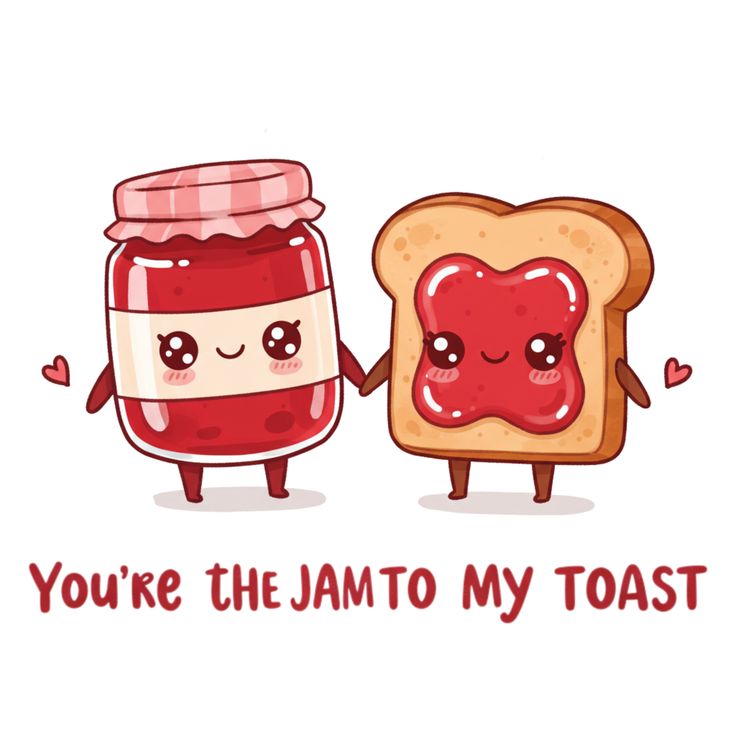
| Visual wordplay | Combines an image with a humorous expression | A bee picture captioned “Bee happy.” |
These categories demonstrate that verbal humor does not follow a single formula. Some expressions work best when spoken aloud, while others become clearer when written or paired with images. Understanding the differences allows writers, students, marketers, and everyday communicators to experiment with language more confidently.
The Creative Benefits of Playing With Words
Creativity often involves connecting ideas that do not initially appear related. Wordplay encourages this process by inviting people to explore alternative meanings, similar sounds, and surprising associations. Rather than accepting the first interpretation of a word, a creative thinker considers how it might function in another context. This habit can support flexible thinking and imaginative expression.
Puns provide an enjoyable opportunity to practice this type of creativity. Someone trying to develop a joke about music might explore words such as note, scale, rhythm, and harmony before discovering a humorous connection. The process involves experimentation, curiosity, and an awareness of how language functions. Although creating jokes does not automatically improve every cognitive skill, it can provide a playful way to practice verbal flexibility and explore new ideas.
Why Writers and Content Creators Use Wordplay
Writers frequently use wordplay to make headlines, introductions, and creative descriptions more engaging. A memorable phrase can attract attention because it differs from ordinary informational language. In advertising, playful wording may help an audience remember a message, especially when the joke connects directly to the product or service being discussed.
However, clever language should never make important information difficult to understand. A headline that prioritizes humor over clarity may confuse readers or create misleading expectations. Effective writing balances originality with usefulness. The best expressions support the main message, reflect the intended audience, and add personality without distracting from essential information.
How to Create Original and Naturally Funny Wordplay
Developing original verbal humor begins with observing familiar words and exploring their alternative meanings. Everyday subjects such as food, animals, transportation, technology, and weather offer numerous opportunities for playful expressions. The goal is not to force a joke into every sentence but to recognize situations where two ideas connect naturally.
A useful starting point is selecting a topic and identifying related words that have multiple meanings or resemble other expressions. For example, someone creating a joke about books might explore terms such as cover, chapter, story, and page. These words can then be connected to familiar sayings or ordinary situations. Puns become more entertaining when the connection is clear enough to understand but unexpected enough to create surprise.
Simple Techniques for Better Wordplay
The following approaches can help beginners develop more original and engaging verbal humor:
-
Explore multiple meanings: Choose familiar words that can represent different objects, actions, or ideas.
-
Experiment with similar sounds: Look for expressions that resemble common phrases when spoken aloud.
-
Use everyday situations: Connect humor with experiences that audiences can easily recognize.
-
Keep expressions natural: Avoid complicated wording that requires excessive explanation.
-
Consider the audience: Select references and vocabulary that suit the people receiving the joke.
Practicing these techniques regularly can make creative language feel more natural. Reading humorous writing, observing conversations, and experimenting with captions can also provide inspiration. Not every attempt will be successful, but even unsuccessful jokes can reveal useful information about timing, clarity, and audience expectations.
Why Some People Love Groan-Worthy Jokes
Not every joke produces loud laughter. Some expressions are intentionally predictable, exaggerated, or delightfully ridiculous. These jokes often create a combination of amusement and playful frustration, especially when the listener recognizes an obvious linguistic trick. Rather than weakening the experience, the predictable nature of the humor can become part of its appeal.
For example, the sentence “I don’t trust stairs because they’re always up to something” is amusing partly because its double meaning is easy to recognize. Listeners may roll their eyes while smiling, particularly when the joke comes from someone known for playful humor. This reaction shows that comedy does not always require surprise at the highest level. Familiarity, personality, and social context can make simple jokes enjoyable.
The Connection Between Humor and Nostalgia
Many people encounter wordplay during childhood through riddles, classroom activities, cartoons, and family conversations. These early experiences can create positive associations with simple verbal jokes. Hearing a familiar style of humor later in life may remind someone of school activities, family gatherings, or entertaining conversations with friends.
Nostalgia can therefore contribute to the popularity of intentionally silly jokes. Parents may share expressions they remember from childhood, while younger audiences discover similar jokes through modern digital platforms. Although communication technology changes, the enjoyment of familiar linguistic surprises continues across generations.
The Importance of Wordplay in Education and Language Learning
Language learning becomes more engaging when students have opportunities to experiment with words rather than simply memorize definitions. Wordplay introduces vocabulary, pronunciation, context, and multiple meanings in an entertaining format. Teachers may use riddles and humorous examples to demonstrate how a word can change meaning depending on the surrounding sentence.
Puns can be particularly useful for advanced vocabulary discussions because understanding them often requires recognizing subtle relationships between language and context. For example, a learner encountering the phrase “Time flies like an arrow” can explore how grammatical structure influences interpretation. Nevertheless, some jokes depend heavily on cultural knowledge or pronunciation, making them challenging for beginners. Teachers can improve accessibility by selecting examples appropriate to students’ language proficiency.
Encouraging Curiosity Through Language Games
Language games encourage students to investigate why particular expressions work. Instead of viewing words as fixed combinations of letters, learners begin recognizing patterns, relationships, and alternative interpretations. This approach can make classroom discussions more interactive and encourage students to ask questions about language.
Creative writing exercises also benefit from playful experimentation. Students might develop humorous headlines, rewrite familiar sayings, or create short conversations containing double meanings. These activities provide opportunities to practice vocabulary while expressing individuality. The educational value lies in combining language awareness with active participation and creative thinking.
The Role of Funny Wordplay in Marketing and Branding
Businesses often seek communication styles that make their messages memorable without overwhelming audiences. Clever wordplay can help brands express personality, particularly in industries where friendly and approachable messaging is appropriate. Restaurants, bakeries, bookstores, and lifestyle businesses frequently have opportunities to create humorous phrases related to their products.
For example, a bakery might use the expression “Life is what you bake it” to connect a familiar motivational saying with its products. The phrase is easy to understand and relevant to the business. However, humorous branding requires careful consideration. Financial services, healthcare organizations, and businesses communicating serious information may need a more restrained approach. Humor works best when it supports credibility rather than undermining it.
Balancing Creativity With Professional Communication
Effective marketing requires more than attracting attention. Customers must also understand what a business offers and why its products or services matter. A humorous slogan can support recognition, but it should not replace clear explanations, accurate claims, or useful information.
Brands should also consider cultural differences, audience expectations, and accessibility. An expression that feels amusing to one group may confuse another, especially when it relies on regional pronunciation or unfamiliar references. Testing messages with representative audiences can help identify whether the intended humor is understandable and appropriate.
Why Puns Continue to Entertain Different Generations
The enduring popularity of verbal humor reflects the adaptability of language itself. Every generation develops new expressions, cultural references, and communication habits, creating opportunities for fresh jokes. Traditional wordplay may appear in greeting cards and family conversations, while contemporary versions circulate through memes, short videos, and online comments.
Technology has expanded the ways people encounter these expressions, but the underlying appeal remains familiar. People enjoy recognizing surprising connections, sharing amusing discoveries, and participating in moments of lighthearted communication. As language evolves, new vocabulary and social trends provide additional material for creative humor.
The Future of Clever Wordplay in Digital Communication
Artificial intelligence, digital writing tools, and interactive platforms are changing how humorous content can be created and distributed. These technologies can suggest alternative phrases, generate variations of jokes, and help writers brainstorm ideas. However, producing genuinely engaging humor still requires attention to context, timing, originality, and audience preferences.
Human experiences remain central to meaningful comedy. A joke becomes memorable not simply because it contains an unexpected phrase but because it connects with a recognizable feeling or situation. Future digital communication will likely introduce new formats for playful language, while everyday conversations will continue providing opportunities for spontaneous humor.
Frequently Asked Questions
1. Why do people find clever wordplay funny?
People often find clever wordplay funny because it creates an unexpected connection between different meanings or sounds. The listener initially interprets a sentence in one way before recognizing another possible meaning. This brief shift in understanding can produce amusement, particularly when the connection is surprising, familiar, and easy to recognize.
2. Are funny verbal jokes suitable for all age groups?
Many forms of wordplay are suitable for children, teenagers, and adults because they rely on language rather than inappropriate subject matter. However, enjoyment depends on vocabulary, cultural knowledge, and personal preferences. Younger children may appreciate simple sound-based jokes, while adults may enjoy more sophisticated expressions involving irony or multiple interpretations.
3. Can wordplay improve creativity and communication skills?
Practicing wordplay can encourage people to explore vocabulary, consider alternative interpretations, and experiment with sentence structure. These activities provide opportunities to develop verbal flexibility and creative expression. They can also make informal communication more engaging when humor is used appropriately, although improvements in broader communication skills depend on continued practice and context.
4. Why is wordplay so common on social media?
Social media favors short, memorable expressions that can communicate personality quickly. Wordplay fits this environment because a single phrase can add humor to photographs, videos, comments, and messages. It is also easy to adapt to popular topics, making it useful for creators who want to encourage lighthearted interaction.
5. What makes a clever joke more memorable?
A memorable joke usually combines simplicity, relevance, surprise, and clear meaning. People are more likely to remember expressions they understand quickly and associate with familiar experiences. Delivery also matters because the same sentence may receive different reactions depending on timing, tone, and the relationship between the speaker and the audience.
6. How can beginners become better at creating funny wordplay?
Beginners can improve by reading humorous expressions, exploring words with multiple meanings, and experimenting with familiar phrases. Starting with everyday subjects makes it easier to discover connections. Sharing jokes with friends and observing their reactions can also help identify which expressions feel natural, understandable, and entertaining.
Conclusion
Clever wordplay remains one of the most accessible and enjoyable forms of humor because it transforms ordinary language into unexpected entertainment. Its appeal comes from the combination of surprise, creativity, familiarity, and shared understanding. Whether used during friendly conversations, classroom activities, creative writing, or digital communication, playful expressions can make everyday experiences more memorable.
The popularity of Puns also demonstrates how strongly language and human connection are linked. A simple phrase can encourage laughter, inspire creative thinking, strengthen social interactions, and add personality to written communication. Although humor preferences vary, the pleasure of discovering an unexpected meaning continues to connect people across different ages and backgrounds.
As digital culture evolves and new communication styles emerge, clever wordplay will remain a valuable form of expression. Its greatest strength is not complexity but the ability to make familiar words feel surprising again. Sometimes, all it takes is one imaginative sentence to turn an ordinary moment into something worth smiling about.