

Introduction
Language is much more than a collection of words used to communicate information. It is also a creative tool that allows people to express humor, emotions, intelligence, and personality. One of the most entertaining aspects of the English language is its ability to create multiple meanings through clever combinations of words. This fascinating feature has given rise to numerous forms of verbal humor, including wordplay that makes ordinary conversations more memorable. Understanding Puns helps readers appreciate how language can be manipulated to create unexpected connections between sounds, meanings, and expressions. Whether encountered in books, advertisements, movies, or everyday conversations, this type of humor demonstrates how flexible and imaginative communication can be.
Wordplay has existed for centuries and continues to evolve alongside modern communication. From traditional literature to contemporary social media captions, clever language-based jokes remain popular because they encourage people to think beyond the obvious meaning of words. A simple sentence can become amusing when it contains an unexpected interpretation, and even familiar expressions can gain fresh meaning through creative language. Learning how these humorous expressions work can improve vocabulary, strengthen communication skills, and develop a deeper appreciation of English. It also makes reading and listening more enjoyable because individuals begin recognizing hidden meanings that might otherwise go unnoticed.
In today’s digital environment, language-based humor has become especially relevant. Social media platforms, online advertisements, short videos, and messaging applications frequently use creative expressions to capture attention. These playful combinations of words are easy to remember, share, and adapt to different situations. Understanding their meaning and structure allows people to participate more confidently in conversations while recognizing the creativity behind humorous messages.
What Is the Meaning of Puns in English?
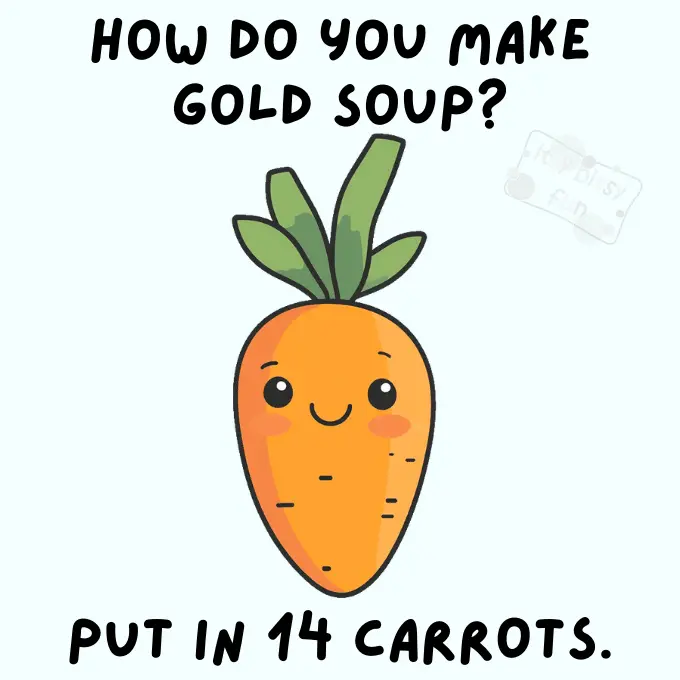
A pun is a form of wordplay that creates humor or another meaningful effect by using words with multiple meanings or words that sound similar but have different meanings. The humor usually comes from an unexpected connection between two interpretations of a word or phrase. Instead of relying entirely on storytelling or physical comedy, this technique uses the structure and vocabulary of language itself. For example, the sentence “I used to be a baker, but I couldn’t make enough dough” has two possible interpretations. The word “dough” refers to the mixture used for making bread, but it can also informally mean money. The unexpected relationship between these meanings creates the humorous effect.
The meaning of a pun becomes easier to understand when readers recognize that one expression can communicate more than one idea. Some examples depend on identical pronunciation, while others involve words that are spelled alike but have different meanings. Certain expressions even use familiar phrases in unusual contexts to produce humor. Although these jokes may appear simple, creating an effective one requires an understanding of vocabulary, context, pronunciation, and audience expectations. The most successful examples often feel natural because the humorous interpretation emerges unexpectedly from an otherwise ordinary sentence.
Understanding the History and Evolution of Wordplay
Wordplay has a long and interesting history that stretches across different civilizations and literary traditions. Ancient writers, philosophers, and performers used double meanings to entertain audiences, communicate complex ideas, and demonstrate linguistic creativity. In classical literature, language-based humor frequently appeared in dramatic performances, poetry, and public speeches. Writers discovered that a carefully chosen expression could entertain listeners while communicating additional meanings beneath the surface. This combination of humor and intellectual engagement helped establish wordplay as an important literary technique.
During the Renaissance, English playwrights made extensive use of linguistic ambiguity. William Shakespeare, for example, frequently incorporated clever verbal exchanges into his plays. His characters used double meanings to express humor, romantic interest, conflict, and criticism. Over time, similar techniques appeared in novels, newspapers, comedy performances, and advertising campaigns. Today, Puns continue to evolve through internet culture, where short and memorable expressions spread rapidly across digital communities. Their popularity demonstrates that even as communication technologies change, people remain interested in the playful possibilities of language.
Different Types of Wordplay Used in English
Understanding the different categories of language-based humor makes it easier to recognize how amusing expressions are constructed. Although all forms rely on unexpected linguistic connections, they do not necessarily follow the same structure. Some depend on pronunciation, others use spelling, and certain examples combine several meanings within a single sentence. Recognizing these differences helps readers understand why particular jokes work and how they can create similar expressions independently.
Homophonic Wordplay
Homophonic wordplay uses words that sound alike or nearly alike but have different meanings and often different spellings. The humorous effect comes from the listener recognizing an alternative word that fits the sentence in an unexpected way. For example, “The bicycle couldn’t stand on its own because it was two-tired” sounds like “too tired.” The expression connects a bicycle’s two tires with the human feeling of exhaustion. This type of humor works particularly well in spoken communication because pronunciation plays a central role.
Homographic Wordplay
Homographic wordplay involves words that share the same spelling but have different meanings. Depending on the word, pronunciation may also change. For example, the sentence “The fisherman was delighted with his latest catch because it was quite a catch” uses the word “catch” in related but distinct senses. One refers to something caught while fishing, while the other suggests something particularly desirable. These expressions encourage readers to reconsider the meaning of a familiar word within a particular context.
Compound Wordplay
Compound wordplay combines two or more linguistic interpretations within a single expression. It may involve several similar-sounding words, overlapping meanings, or a combination of different techniques. For example, “A good baker always rises to the occasion” connects the familiar expression “rise to the occasion” with the rising process involved in baking bread. Such examples can be especially satisfying because they connect an established phrase with a new subject in a natural and amusing way.
Visual Wordplay
Visual wordplay combines written language with images, symbols, typography, or illustrations to communicate a humorous double meaning. Unlike spoken examples, this category often requires the audience to interpret both visual and textual information. A drawing of a calendar with a worried expression accompanied by the phrase “My days are numbered” creates humor by combining the literal function of a calendar with an expression about limited time. Visual examples are particularly effective in digital marketing, cartoons, greeting cards, and social media posts.
Examples of Common Wordplay and Their Meanings
Examples provide one of the easiest ways to understand how creative language produces humor. A successful joke generally begins with an ordinary statement and introduces an unexpected interpretation through a carefully selected word or phrase. The following table illustrates several familiar examples and explains the linguistic connections responsible for their humorous effects.
| Example | Hidden Meaning | Explanation |
|---|---|---|
| I wondered why the baseball kept getting bigger. Then it hit me. | Hit me | Refers to physical impact and sudden realization. |
| I’m reading a book about anti-gravity. It’s impossible to put down. | Put down | Describes both lowering an object and stopping reading. |
| The math teacher had too many problems. | Problems | Refers to mathematical exercises and personal difficulties. |
| The calendar’s days are numbered. | Numbered days | Refers to printed dates and limited remaining time. |
| The musician got into treble. | Treble / trouble | Uses similar pronunciation to connect music with difficulty. |
These examples show how ordinary vocabulary can produce humor when words are interpreted in different ways. The surrounding context is essential because it guides the audience toward the first interpretation before introducing another. Without this relationship between meanings, the joke may seem confusing or lose its effect. Readers who understand both interpretations are more likely to appreciate the creativity involved. This is why vocabulary knowledge, cultural familiarity, and linguistic awareness often influence how successfully an individual understands language-based jokes.
Why Puns Are Popular in Everyday Communication
Humor plays an important role in social interaction because it creates emotional connections and makes conversations more enjoyable. Language-based jokes are particularly useful because they can be introduced naturally without requiring elaborate stories or complicated explanations. A short humorous expression can lighten a serious discussion, make an introduction more memorable, or encourage people to participate in a conversation. These expressions also demonstrate creativity and linguistic awareness, which can make communication more engaging.
Another reason for their popularity is their versatility. Clever wordplay can appear in birthday messages, classroom activities, marketing campaigns, casual conversations, and entertainment. People enjoy recognizing unexpected meanings because the process creates a small moment of discovery. When a listener understands the hidden interpretation, the resulting surprise often produces amusement. However, effectiveness depends on context and audience. A joke that works well among friends may not be appropriate in a formal professional discussion, and expressions that depend heavily on pronunciation may not translate easily across languages.
The Role of Wordplay in Modern Digital Communication
Digital communication has transformed the way people create, distribute, and experience humor. Social media platforms encourage short, memorable content that can attract attention within seconds. Clever language-based expressions fit naturally into this environment because they communicate humor without requiring lengthy explanations. Captions, memes, comments, and short videos frequently incorporate double meanings to encourage engagement. The combination of visual content and playful language can make a message more recognizable and enjoyable.
Modern brands also use Puns in advertising to make promotional messages more memorable. A restaurant might use food-related wordplay in its promotional materials, while a bookstore might create a humorous slogan based on reading expressions. These approaches can help businesses establish a friendly personality and connect with audiences. However, effective marketing requires clarity. If a humorous phrase becomes too complicated, customers may struggle to understand the intended message. The strongest examples balance creativity with simplicity, ensuring that the humor supports rather than distracts from communication.
How Wordplay Improves English Vocabulary and Language Skills
Learning creative language expressions can support vocabulary development because it encourages individuals to explore multiple meanings of familiar words. Instead of memorizing definitions in isolation, learners begin recognizing how context changes interpretation. This process strengthens semantic awareness, which involves understanding relationships between words and meanings. For example, recognizing that “bright” can describe both strong light and intelligence helps learners appreciate the flexibility of English vocabulary. Similar discoveries occur when students encounter humorous expressions involving everyday words.
Wordplay can also support pronunciation awareness, reading comprehension, and conversational confidence. Students who explore Puns often pay closer attention to sound patterns, spelling differences, and figurative expressions. Teachers can use short examples to encourage classroom discussion and help students identify alternative meanings. However, learners should understand that humor does not always follow predictable grammatical patterns. Some jokes rely on cultural references, regional pronunciation, or informal vocabulary. Explaining these features carefully makes language learning more inclusive and reduces confusion among individuals with different linguistic backgrounds.
How to Create Your Own Clever Wordplay
Creating an effective language-based joke requires observation, imagination, and an understanding of how words function in different situations. Beginners should start by identifying words with multiple meanings or expressions that resemble other familiar phrases. Everyday subjects such as food, animals, school, work, and hobbies provide excellent starting points because they contain recognizable vocabulary. Once a suitable word is identified, the next step is to construct a sentence that supports two interpretations. Ideally, the first meaning should appear natural, while the second should create an unexpected humorous connection.
A useful approach involves following a few practical steps:
- Choose a familiar word that has two meanings or sounds like another word.
- Identify a situation where both interpretations could make sense.
- Write a short sentence that introduces the ordinary meaning first.
- Add an unexpected connection that reveals the humorous interpretation.
- Read the sentence aloud to check whether the joke sounds natural.
Practice is essential because not every attempt will produce an effective result. Some expressions may feel forced, while others may depend on obscure vocabulary that the audience does not recognize. The goal is not simply to combine similar words but to create a meaningful relationship between them. Reading humorous literature, observing advertising slogans, and experimenting with everyday expressions can gradually improve this skill. Over time, individuals become more comfortable identifying linguistic opportunities and developing original examples.
Understanding the Difference Between Wordplay, Jokes, and Idioms
Although wordplay, jokes, and idioms sometimes overlap, they represent different aspects of language. A joke is a broad form of humor that may involve storytelling, exaggeration, surprise, irony, or unexpected situations. Wordplay is a specific linguistic technique that creates meaning through vocabulary, pronunciation, or sentence structure. An idiom, meanwhile, is an established expression whose overall meaning cannot always be understood from the literal meanings of its individual words. For example, “break the ice” commonly means making people feel more comfortable in a social situation rather than physically breaking frozen water.
These categories can interact in creative ways. A writer might take an idiom literally to create a humorous expression, or a comedian might incorporate several double meanings into a longer joke. Understanding these distinctions helps readers identify the technique responsible for a particular humorous effect. It also improves communication because people become more aware of when language is being used literally, figuratively, or playfully. This awareness is especially useful for English learners who may initially interpret familiar expressions according to their individual word meanings.
Common Mistakes People Make When Using Wordplay
One common mistake is choosing expressions that are too complicated for the intended audience. Humor works best when listeners can recognize the connection between meanings without extensive explanation. If the audience is unfamiliar with a particular word, pronunciation, or cultural reference, the joke may fail to communicate its intended effect. Another frequent problem involves forcing an unrelated expression into a conversation. Even a clever linguistic connection can feel awkward when it does not fit the subject or situation.
Repetition can also reduce the impact of humorous language. Using too many similar expressions in a short conversation may distract from the main message and make communication seem unnatural. Effective speakers and writers select moments where humor enhances the discussion rather than overwhelming it. Timing, clarity, and audience awareness are therefore just as important as creativity. Understanding these principles allows individuals to use language-based humor confidently while maintaining the purpose of their communication.
The Cultural Importance of Humor and Language Creativity
Language reflects the values, experiences, and traditions of the communities that use it. Humor is an important part of this cultural expression because it reveals how people interpret familiar ideas and shared experiences. Wordplay often depends on cultural knowledge, which explains why some expressions are immediately understood in one community but require explanation in another. Differences in pronunciation, vocabulary, and local customs can significantly influence the effectiveness of a joke.
As English continues to function as an international language, creative expressions travel across cultural and geographical boundaries. Online communities regularly adapt familiar phrases to suit local experiences, producing new forms of humor. This exchange encourages linguistic creativity but also highlights the importance of cultural sensitivity. Writers should consider whether their expressions will be understood by readers from different backgrounds. Accessible humor generally relies on familiar concepts and avoids unnecessary complexity, making it more effective for diverse audiences.
Practical Benefits of Using Creative Wordplay
Beyond entertainment, creative language can provide practical advantages in education, communication, and professional environments. It encourages flexible thinking by challenging individuals to recognize connections between seemingly unrelated ideas. This mental process can support creative writing, brainstorming, and problem-solving activities. In classrooms, humorous expressions may help students remember vocabulary and participate more actively in discussions. In presentations, carefully selected language-based humor can make complex information feel more approachable.
Some practical applications include:
- Education: Making vocabulary lessons and language exercises more engaging.
- Marketing: Creating memorable slogans and promotional messages.
- Creative writing: Adding personality to stories, dialogue, and poetry.
- Social communication: Encouraging friendly interaction and shared amusement.
The effectiveness of these applications depends on appropriate use. Humor should support the message rather than replace important information. In professional communication, excessive jokes may weaken clarity or reduce the seriousness of a discussion. Similarly, educational examples should be relevant to learning objectives instead of being included solely for entertainment. When used thoughtfully, creative expressions can improve audience engagement while preserving meaningful communication.
Frequently Asked Questions
1. What Is the Simple Meaning of a Pun in English?
A pun is a humorous or meaningful expression that uses a word with more than one meaning or words that sound similar. The effect usually comes from an unexpected interpretation. For example, “The electrician was shocked by the news” connects emotional surprise with an electrical shock. Understanding both meanings helps the audience recognize the humor.
2. Why Are Puns Considered a Form of Wordplay?
They are considered wordplay because their effect depends on the structure, sound, or meaning of language. Unlike jokes based entirely on events or situations, these expressions require listeners to recognize a linguistic connection. This relationship between multiple interpretations creates surprise and often makes the statement amusing or memorable.
3. Are Language-Based Jokes Helpful for Learning English?
Yes, they can be valuable learning tools when used with clear explanations. They encourage learners to explore multiple word meanings, recognize pronunciation similarities, and understand expressions in context. However, beginners may need additional guidance because certain examples rely on informal vocabulary or cultural knowledge that is not immediately familiar.
4. What Is the Difference Between a Pun and a Regular Joke?
A regular joke can create humor through storytelling, unexpected events, exaggeration, or unusual situations. A pun specifically relies on language, including double meanings and similar sounds. Although both aim to entertain, the linguistic connection is essential to understanding how a pun works.
5. Why Do Some People Find Wordplay Difficult to Understand?
Some expressions require knowledge of multiple meanings, pronunciation patterns, idioms, or cultural references. Individuals who are unfamiliar with these elements may interpret only the literal meaning. Regional accents and differences between languages can also influence comprehension. Learning the relevant vocabulary and context generally makes these expressions easier to appreciate.
6. Can Creative Wordplay Be Used in Professional Writing?
Yes, carefully selected wordplay can make professional writing more engaging, especially in marketing, advertising, presentations, and informal business communication. However, it should match the audience and purpose. In technical reports, legal documents, or other situations requiring precise interpretation, straightforward language is usually more appropriate.
Conclusion
Understanding the meaning of creative wordplay reveals how English can communicate several ideas through a single expression. What initially appears to be a simple joke often involves an interesting relationship between vocabulary, pronunciation, context, and cultural understanding. From traditional literature to modern digital communication, language-based humor continues to demonstrate the flexibility and expressive power of words. Learning to recognize these connections helps readers appreciate humor while developing stronger vocabulary awareness and communication skills.
The continued popularity of Puns shows that people enjoy discovering unexpected meanings in familiar language. Whether used in education, creative writing, advertising, or everyday conversation, these expressions can make communication more memorable and enjoyable. Their greatest strength lies in transforming ordinary words into surprising ideas without requiring complicated explanations. By exploring different types, studying examples, and practicing original expressions, anyone can develop a deeper understanding of English humor and discover new ways to communicate with creativity, confidence, and personality.