

Introduction
Language is more than a tool for communication. It is also a source of creativity, entertainment, and unexpected humor. One of the most enjoyable ways people play with language is through clever expressions that combine multiple meanings, similar sounds, and surprising interpretations. These humorous combinations can transform ordinary conversations into memorable experiences. Whether someone is telling a joke, writing a social media caption, or creating an entertaining advertisement, creative wordplay adds personality and charm to communication.
Puns have entertained audiences for centuries because they challenge the mind while encouraging laughter. Unlike straightforward jokes, they often depend on understanding two meanings simultaneously. A single word or phrase can create an amusing connection between completely different ideas. This combination of intelligence and humor makes wordplay appealing to people of different ages, cultures, and backgrounds. From classic literature to modern internet memes, playful language continues to influence how people express themselves.
In today’s digital environment, clever expressions have become especially popular. Social media platforms, messaging applications, advertising campaigns, and online communities regularly feature humorous captions and creative phrases. People appreciate content that is entertaining, easy to understand, and worth sharing. As communication becomes increasingly visual and fast-paced, short but meaningful jokes offer an effective way to capture attention and create positive interactions.
What Are Puns and Why Are They So Popular?
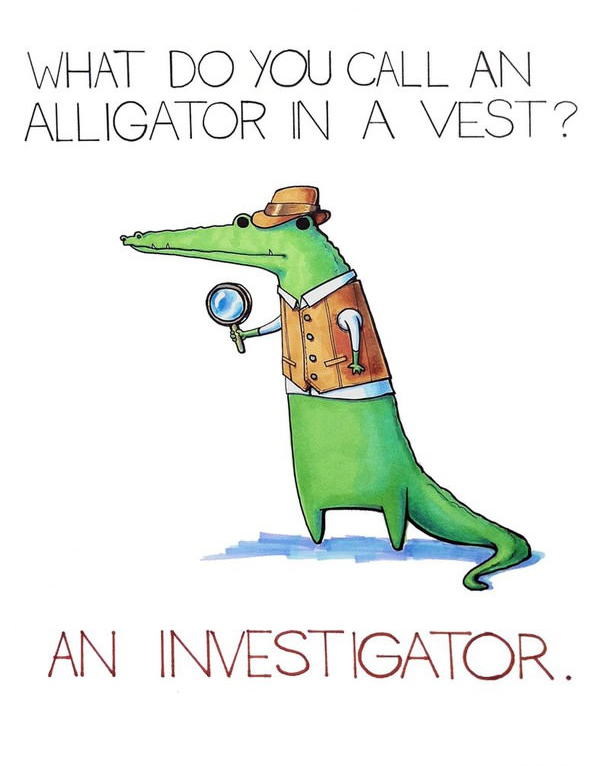
A pun is a form of wordplay that creates humor by using words with multiple meanings or words that sound similar but have different interpretations. The humor usually appears when the listener recognizes an unexpected connection between the intended meaning and another possible interpretation. This small mental surprise produces amusement and makes the expression memorable.
Consider the sentence, “I used to be a baker, but I couldn’t make enough dough.” The word “dough” refers both to a mixture used in baking and, informally, to money. The sentence becomes humorous because both interpretations fit the situation. Similarly, “The bicycle couldn’t stand on its own because it was two-tired” connects the sound of “too tired” with a bicycle’s two tires.
The popularity of this humor comes from its simplicity and versatility. It does not always require a complicated story, special equipment, or elaborate explanation. A clever phrase can create laughter within seconds. Additionally, playful expressions encourage participation because people often respond by creating their own versions. This interactive quality makes wordplay especially suitable for conversations, classrooms, family gatherings, and online communities.
The Fascinating History of Wordplay
Creative language has been part of human storytelling for thousands of years. Ancient civilizations used double meanings, symbolic expressions, and verbal humor in literature, theater, and everyday communication. Early writers recognized that language could entertain audiences while communicating deeper messages. In many cultures, humorous expressions also helped people discuss sensitive subjects indirectly.
Classical Greek and Roman literature included numerous examples of verbal ambiguity and witty dialogue. Playwrights frequently used language-based humor to entertain audiences and develop memorable characters. During the Renaissance, wordplay became particularly prominent in English drama. William Shakespeare incorporated double meanings, playful insults, and linguistic tricks into many of his works. His writing demonstrated how humor could reveal personality, create tension, and make dramatic scenes more engaging.
As printing technology expanded and literacy increased, humorous language reached larger audiences through books, newspapers, magazines, and comic publications. Radio and television later introduced new opportunities for verbal comedy. Today, digital platforms allow creative expressions to spread across countries almost instantly. Although communication technology has changed dramatically, the fundamental appeal of unexpected linguistic connections remains remarkably consistent.
Different Types of Clever Wordplay
Understanding the different forms of verbal humor makes it easier to recognize how jokes are constructed. Some expressions depend on pronunciation, while others rely on vocabulary, grammar, or context. Each technique creates a different kind of surprise, allowing writers and speakers to experiment with humor in various situations.
Homophonic Wordplay
Homophonic wordplay uses words that sound alike or nearly alike but have different meanings. The humor develops when one word suggests another through pronunciation. For example, “A boiled egg in the morning is hard to beat” plays on the expression “hard to beat,” which can describe something excellent while also suggesting the physical action of beating an egg.
This style works particularly well in spoken communication because the listener hears the connection before considering the written spelling. It is common in comedy performances, casual conversations, and short social media captions. However, pronunciation differences between regions can affect whether a particular joke works.
Homographic Wordplay
Homographic humor involves words that share the same spelling but carry different meanings. Sometimes these words also have different pronunciations. The unexpected interpretation creates an amusing contrast between what the audience initially understands and what the speaker intends.
For example, the sentence “The fisherman went to the bank” can refer to a financial institution or the edge of a river. Although this sentence is not automatically humorous, additional context can transform the ambiguity into a joke. Writers often use this technique to create surprising endings, humorous misunderstandings, and memorable dialogue.
Compound and Double-Meaning Wordplay
Compound wordplay combines several linguistic interpretations within a single expression. These jokes can be more complex because the audience must recognize multiple connections. Double meanings may involve everyday vocabulary, familiar sayings, or expressions that acquire a different interpretation in a specific situation.
For instance, “The calendar’s days are numbered” connects a common phrase suggesting limited time with the literal numbers printed on a calendar. This type of humor is effective because it begins with a familiar statement and reveals an unexpected interpretation. The result feels both recognizable and surprising.
Popular Categories and Examples
Puns can be organized into different categories depending on their subjects and the situations in which they appear. Food, animals, relationships, workplaces, and technology provide particularly useful material because they contain familiar vocabulary and expressions. Understanding these categories helps writers select humor that suits their audience.
| Category | Example | Why It Works |
|---|---|---|
| Food | Lettuce celebrate this special day. | “Lettuce” resembles “let us.” |
| Animals | What do you call a sleeping bull? A bulldozer. | Combines “bull” with the familiar word “bulldozer.” |
| Science | I have a joke about chemistry, but I don’t think it will get a reaction. | “Reaction” has scientific and emotional meanings. |
| Technology | My computer needed a break, so it went to sleep. | Connects computer sleep mode with human rest. |
| Music | The musician got into treble. | “Treble” sounds like “trouble.” |
These examples demonstrate how ordinary subjects can become entertaining through creative interpretation. The most effective expressions generally use familiar words because audiences can recognize the connection without extensive explanation. A joke involving complicated terminology may appeal to a specialized group, but simpler language usually reaches a broader audience.
Context also influences effectiveness. A technology joke might work particularly well among programmers, while a food-related expression could suit a restaurant advertisement. Selecting the right category allows humor to feel relevant rather than forced.
Why Our Brains Enjoy Clever Language
The enjoyment of wordplay is closely connected to how the human brain processes language. When someone hears a sentence, the mind automatically considers its likely meaning based on vocabulary and context. A clever joke introduces an alternative interpretation that challenges the original expectation. Recognizing this unexpected connection can create a satisfying moment of discovery.
Humor researchers often discuss this process through the concept of incongruity and resolution. Incongruity occurs when something does not match the audience’s expectations. Resolution happens when the listener identifies a meaningful connection that explains the surprise. Wordplay frequently combines these stages within a single sentence, making the humorous experience quick and mentally engaging.
Personal experience also shapes how people respond. Someone familiar with a particular profession, hobby, or cultural reference may appreciate specialized language jokes more easily. Meanwhile, children often enjoy simple sound-based humor because it introduces them to the flexibility of words. This combination of mental challenge and entertainment helps explain why creative verbal humor remains popular across generations.
The Role of Wordplay in Modern Communication
Digital communication has created new opportunities for humorous language. Social media users regularly experiment with short captions, witty comments, and entertaining responses. Since online audiences often scroll quickly, compact expressions can communicate personality without requiring lengthy explanations. A well-placed joke can make an ordinary post feel more distinctive and approachable.
Puns are particularly useful in digital conversations because they combine humor with brevity. A short expression can entertain readers while reinforcing the subject of a message. For example, a coffee shop might use “Espresso yourself” to encourage customers to share their preferences. The phrase combines a familiar beverage with the expression “express yourself,” creating a memorable message.
However, successful online humor requires awareness of context. A joke that works among friends may seem inappropriate in a serious professional discussion. Cultural differences, language backgrounds, and audience expectations also influence interpretation. Effective communicators understand when humor can strengthen a message and when straightforward language is more suitable.
How to Create Your Own Funny Expressions
Creating original wordplay involves observation, vocabulary, experimentation, and practice. Many successful jokes begin with an ordinary word that has several meanings or resembles another familiar expression. The writer then develops a situation where both interpretations become relevant. This approach transforms a simple linguistic connection into an entertaining statement.
A practical method is to begin with a subject such as gardening, cooking, education, or travel. Next, identify common words associated with that subject and consider their alternative meanings. Gardening vocabulary, for example, includes expressions such as “grow,” “root,” “branch,” and “plant.” These words can support humorous phrases because they also appear in discussions about personal development, family relationships, and business planning.
Simple Techniques for Beginners
-
Choose a familiar topic that your audience understands.
-
Identify words with multiple meanings or similar pronunciations.
-
Build a short sentence that connects both interpretations.
-
Test whether the joke makes sense without a long explanation.
-
Revise the wording until the humorous connection feels natural.
Practice improves the ability to recognize opportunities for creative language. Reading humorous writing, listening to comedy, and paying attention to everyday conversations can provide inspiration. Writers should also remember that not every experiment will succeed. Some expressions may sound awkward or require too much explanation. Revising unsuccessful attempts is a normal part of developing a stronger sense of humor.
Using Humor in Marketing and Branding
Businesses often use clever language to create memorable marketing messages. A playful slogan can communicate a brand’s personality while helping customers remember a product or service. Humor is especially useful when companies want to appear approachable, friendly, and creative. Restaurants, clothing brands, entertainment businesses, and lifestyle companies frequently incorporate verbal jokes into promotional materials.
Puns can support branding by connecting a product with an entertaining phrase. For example, a bakery might promote a new product using “You’re the loaf of my life,” while a gardening company could use “We’re rooting for your garden.” These expressions combine familiar emotional language with industry-related vocabulary. When the connection feels natural, the message can be easier to recall.
Nevertheless, humor should support the main marketing objective rather than distract from it. Excessive wordplay can make advertisements confusing, particularly when customers need clear information about prices, features, or services. Businesses should also consider accessibility and cultural interpretation. A phrase that depends heavily on English pronunciation may not communicate effectively to multilingual audiences. The strongest marketing messages balance creativity with clarity.
Educational Benefits of Creative Language
Wordplay can also contribute to language learning and classroom engagement. Teachers frequently use humorous expressions to introduce vocabulary, pronunciation, spelling, and figurative meaning. When students encounter a sentence with two possible interpretations, they must examine the relationship between words and context. This process encourages curiosity and can make language lessons more interactive.
For younger learners, simple jokes provide opportunities to recognize similar sounds and discover alternative meanings. Older students can explore more sophisticated examples involving idioms, literary techniques, and cultural references. Language learners may also benefit from examining why a particular joke works, although unfamiliar vocabulary or pronunciation can make some examples challenging.
Educational activities involving verbal humor can encourage students to experiment without treating every unusual expression as a mistake. Writing their own jokes requires learners to consider sentence structure, vocabulary selection, and audience understanding. These activities can complement traditional lessons while making the learning environment more enjoyable.
Wordplay in Literature, Movies, and Entertainment
Literature has always provided a welcoming environment for creative expressions. Authors use linguistic humor to establish character personalities, create memorable dialogue, and introduce unexpected interpretations. Children’s books frequently feature playful vocabulary because imaginative language can make reading entertaining. In more sophisticated literature, double meanings may reveal hidden intentions or create dramatic irony.
Movies, television programs, animated series, and comedy performances also rely on verbal humor. Characters may misunderstand a phrase, deliberately reinterpret a statement, or respond with an unexpected linguistic connection. These moments can provide comic relief during serious stories or establish a playful atmosphere.
The effectiveness of entertainment-based wordplay often depends on timing. In spoken performances, pauses and emphasis help audiences recognize the intended connection. In written material, punctuation and surrounding context perform a similar function. Skilled writers understand how to guide readers toward a surprising interpretation without revealing the joke too early.
Common Mistakes That Make Wordplay Less Effective
Although clever expressions appear simple, poorly constructed jokes can confuse audiences. One common mistake is forcing a connection between words that do not sound sufficiently similar. When listeners must work too hard to recognize the intended relationship, the humorous effect may disappear. Another problem occurs when the sentence lacks a meaningful context, making the alternative interpretation feel random.
Overusing jokes can also weaken communication. A conversation filled with constant wordplay may become distracting, particularly when the audience expects practical information. Humor works best when it complements the message and appears at appropriate moments. Writers should avoid sacrificing clarity simply to include another clever phrase.
Audience awareness is equally important. Expressions based on regional slang, specialized vocabulary, or cultural references may not translate effectively. Testing a joke with someone unfamiliar with the subject can reveal whether its meaning is accessible. Strong wordplay should reward the audience’s attention rather than leave them confused.
The Future of Wordplay in the Digital Age
The continuing development of digital technology is changing how people create and share humor. Short-form videos, interactive content, messaging platforms, and online communities provide new spaces for linguistic experimentation. Audiences can respond to creative expressions immediately, adapt them into new formats, and introduce variations that spread through digital conversations.
Artificial intelligence is also influencing language-based creativity. Modern writing tools can suggest alternative phrases, identify similar-sounding words, and generate humorous ideas. These capabilities may help writers overcome creative blocks or explore unexpected combinations. However, automated suggestions still require human judgment because successful humor depends on context, timing, emotional awareness, and cultural understanding.
Puns are likely to remain relevant as communication continues to evolve. Their adaptability allows them to appear in traditional literature, educational materials, advertising campaigns, and emerging digital formats. Although platforms and trends change, the enjoyment of discovering surprising connections between familiar words remains a lasting feature of human communication.
Frequently Asked Questions
1. What makes a pun funny?
A pun becomes funny when it creates an unexpected connection between different meanings or similar-sounding words. The listener initially understands one interpretation and then discovers another that changes the meaning of the sentence. This surprising mental connection often produces amusement. Familiar vocabulary, clear context, and effective timing generally make the joke more enjoyable.
2. Are wordplay jokes suitable for children?
Yes, many language-based jokes are suitable for children, especially when they involve familiar animals, foods, objects, or everyday activities. Simple examples can introduce children to multiple meanings and similar sounds while encouraging curiosity about language. Age-appropriate humor can also make reading and classroom discussions more engaging.
3. How can beginners improve their wordplay skills?
Beginners can improve by expanding their vocabulary, noticing expressions with multiple meanings, and experimenting with similar-sounding words. Reading humorous books and observing clever advertisements can provide useful inspiration. Regular practice helps writers recognize linguistic connections more quickly and develop jokes that feel natural rather than forced.
4. Why do businesses use humorous expressions in advertising?
Businesses use humorous language to attract attention, communicate personality, and create memorable promotional messages. A clever expression can make a brand seem friendly and approachable while connecting its products with familiar ideas. However, successful advertising must balance entertainment with clear communication so customers understand the intended message.
5. Can wordplay improve communication skills?
Creative wordplay can encourage greater awareness of vocabulary, context, pronunciation, and sentence structure. Developing jokes requires speakers and writers to consider how audiences interpret language. Although humor is not appropriate in every situation, practicing playful expressions can support verbal creativity and help people communicate in more engaging ways.
6. What is the difference between a pun and a regular joke?
A regular joke may create humor through storytelling, exaggeration, surprising situations, or unexpected behavior. A pun specifically depends on language, often involving double meanings or similarities in pronunciation. Both forms can produce laughter, but language-based humor requires the audience to recognize a particular relationship between words.
Conclusion
Creative wordplay demonstrates the remarkable flexibility of human language. By connecting familiar words with unexpected meanings, it transforms ordinary statements into entertaining and memorable expressions. Its appeal extends beyond casual humor, influencing literature, education, advertising, entertainment, and digital communication.
Understanding how different forms of linguistic humor work allows people to appreciate existing jokes while developing their own creative expressions. Effective wordplay requires more than simply combining similar sounds. It depends on context, clarity, timing, and an understanding of the audience.
As digital communication continues to evolve, the importance of entertaining and memorable language remains strong. Whether used to brighten a conversation, support learning, or strengthen a marketing message, clever wordplay offers a simple yet powerful way to connect with others. Ultimately, the best humorous expressions remind us that language is not only something we use to share information but also something we can enjoy, explore, and reinvent.