

Introduction
Laughter is one of the simplest ways to bring people together, and a clever joke can turn an ordinary conversation into a memorable experience. Whether you are chatting with friends, spending time with family, or sharing something funny online, humor creates connections that last. Among the many forms of comedy, wordplay holds a special place because it combines creativity, intelligence, and unexpected meanings. A simple sentence can suddenly become hilarious when familiar words are used in surprising ways.
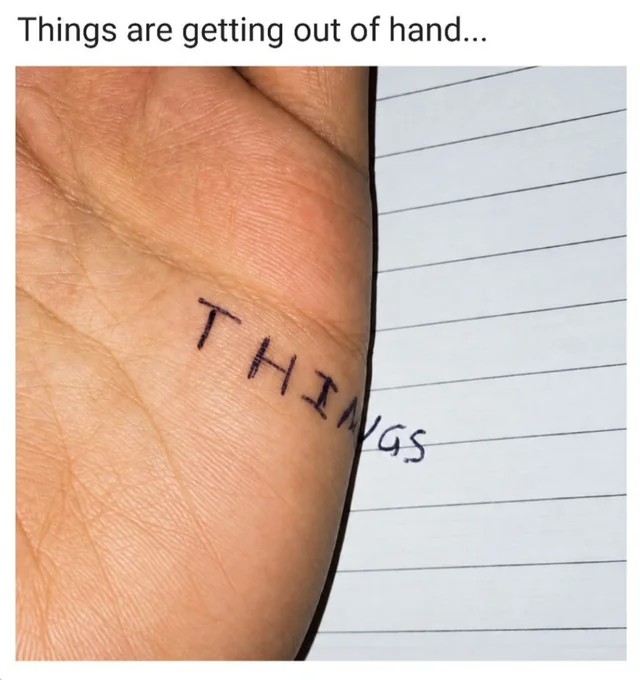
Puns are particularly entertaining because they play with the sounds, meanings, and interpretations of language. They can be silly, clever, surprising, or wonderfully ridiculous. Some make people laugh immediately, while others produce the classic reaction of a smile followed by a playful groan. Regardless of the response, these jokes often become memorable because they encourage people to think about everyday language differently.
In today’s world, where short videos, memes, group chats, and social media conversations dominate communication, quick humor has become increasingly popular. A witty sentence can brighten someone’s mood within seconds. Understanding how wordplay works and discovering creative examples can help anyone become more entertaining in conversations, captions, celebrations, and friendly gatherings.
Why Wordplay Makes People Laugh
Humor often comes from unexpected situations, and wordplay uses this principle in a particularly creative way. When someone hears a familiar phrase, the brain automatically expects a certain meaning. A clever joke suddenly changes that expectation, revealing an alternative interpretation that feels surprising and amusing. This unexpected connection creates the enjoyable moment that makes people laugh.
For example, consider the joke, “I used to be a baker, but I couldn’t make enough dough.” The humor comes from the word “dough,” which refers to both bread ingredients and money. The sentence begins like an ordinary statement about a career but ends with a double meaning that changes its interpretation. This combination of familiarity and surprise makes the joke memorable.
Another reason wordplay is so effective is its accessibility. People do not need expensive equipment, complicated storytelling, or special occasions to enjoy it. A creative observation about food, animals, work, or relationships can become an entertaining joke. Since language is part of everyday life, opportunities for playful humor appear almost everywhere.
Funny Everyday Jokes to Share With Friends
Daily activities provide endless inspiration for humorous expressions. Ordinary experiences such as cooking dinner, going shopping, working in an office, or meeting friends can become entertaining when described through unexpected word combinations. The best everyday jokes often sound natural because they connect familiar situations with amusing interpretations.
Imagine someone complaining about a difficult morning. A friend might respond, “I wanted to become a professional clockmaker, but I just couldn’t find the time.” Another amusing example is, “I tried organizing a hide-and-seek competition, but good players are hard to find.” These jokes work because their final words carry meanings that connect directly to the situations being described.
Puns based on daily experiences are especially useful in casual conversations because they rarely require a long explanation. A joke about being tired, hungry, or busy can immediately relate to someone else’s experience. The key is choosing expressions that match the conversation instead of introducing humor randomly. When a joke fits naturally into a discussion, it feels spontaneous and becomes more enjoyable.
Food Jokes That Add Flavor to Conversations
Food provides an excellent foundation for creative humor because ingredients, meals, and cooking activities contain words with multiple meanings. People regularly discuss their favorite dishes, restaurant experiences, and kitchen disasters, making food-related jokes easy to introduce into conversations.
Consider the expression, “Lettuce celebrate this wonderful occasion.” The joke replaces “let us” with “lettuce,” creating a playful connection between vegetables and celebration. Another example is, “You are one in a melon,” which transforms a familiar compliment into a humorous reference to fruit. Someone who enjoys breakfast humor might say, “I am feeling egg-straordinary today.”
These jokes are particularly suitable for birthday cards, dinner invitations, restaurant captions, and friendly messages. They also demonstrate how small changes in spelling or pronunciation can create completely different meanings. Food humor feels lighthearted and welcoming, making it appropriate for many audiences.
Animal Humor That Never Gets Old
Animals have inspired comedy for generations because their names, behaviors, and characteristics offer countless opportunities for playful language. From household pets to wild creatures, nearly every animal can become the subject of a creative joke. Animal humor is especially popular among children, families, and people who enjoy cute or cheerful content.
One entertaining example is, “What do you call a sleeping dinosaur? A dino-snore.” Another is, “Why did the fish blush? Because it saw the ocean’s bottom.” These jokes combine familiar animal references with unexpected interpretations. Their simplicity makes them easy to remember and share.
Puns involving animals are also effective for social media captions. A picture of a cat resting comfortably might include the caption, “You’ve got to be kitten me.” A photograph of a dog enjoying a walk could feature the phrase, “Having a paw-some afternoon.” These expressions make ordinary pictures more entertaining without requiring lengthy descriptions.
Clever Pet-Themed Expressions
Pets bring joy into everyday life, and their playful personalities make them natural subjects for humorous captions and messages. Dog owners frequently describe their pets as loyal companions, while cat owners enjoy joking about their animals’ independent behavior. These characteristics provide opportunities for affectionate wordplay.
For instance, someone sharing a photograph of a puppy might write, “I love you fur-ever.” A cat relaxing in a sunny window could inspire the caption, “Just living my best nine lives.” A friend who loves birds might appreciate the expression, “You’re absolutely tweet.”
Pet-themed humor works particularly well because it combines affection with creativity. Even people who do not own animals can appreciate the familiar references. The most effective jokes capture something recognizable about an animal while adding an unexpected linguistic twist.
Smart Wordplay That Makes People Think
Not every funny expression produces an immediate reaction. Some jokes require a moment of thought before their meaning becomes clear. This delayed understanding can make the humor even more satisfying because the listener experiences both surprise and recognition.
Consider the sentence, “I was wondering why the baseball kept getting bigger. Then it hit me.” The final phrase can mean both realizing something and being physically struck by the ball. Another example is, “The mathematician’s plants grew beautifully because they had square roots.” This joke combines mathematical terminology with gardening language.
Intelligent humor does not need to be complicated. In fact, the strongest examples often rely on familiar words arranged in an unexpected way. The challenge is creating enough surprise to entertain without making the meaning too difficult to understand.
Why Clever Jokes Are Memorable
Memory often improves when information contains unusual associations. Wordplay naturally creates these associations by connecting ideas that people would not normally place together. A joke about mathematics and gardening, for example, becomes memorable because the combination is unexpected.
Humorous expressions also encourage participation. When friends hear a clever joke, they may attempt to create their own version or respond with another amusing sentence. This playful exchange can transform a simple conversation into a shared creative activity.
How to Create Original Puns
Creating original Puns begins with paying attention to ordinary language. Many English words have multiple meanings, while others sound similar despite having different spellings. Recognizing these relationships is the foundation of successful wordplay.
Start by choosing a familiar topic such as travel, food, animals, sports, or technology. Then identify words associated with that topic and explore their alternative meanings. For example, the word “current” can describe both electricity and something happening now. This connection might inspire a joke about an electrician who always stays current with the latest news.
Another useful technique involves replacing part of a familiar phrase with a similar-sounding word. Expressions such as “orange you glad” and “whale done” demonstrate how pronunciation can transform ordinary statements into playful jokes.
The following process can make creative writing easier:
-
Choose a simple subject that your audience understands.
-
Identify words with double meanings or similar pronunciations.
-
Connect those words with a familiar situation or expression.
-
Keep the final joke short, clear, and surprising.
-
Test the joke with friends and adjust the wording if necessary.
Creativity improves through practice. Not every attempt will be successful, but experimenting with different combinations helps develop a better understanding of comedic timing and language.
Different Types of Wordplay and Their Uses
Wordplay appears in several forms, and understanding these variations makes it easier to create entertaining expressions. Some jokes depend on identical sounds, while others use multiple meanings or familiar phrases with small changes.
The following table explains common approaches and provides examples.
| Type of Wordplay | Example | Best Use |
|---|---|---|
| Homophonic humor | “I have a few words about the sea, but they may be too deep.” | Casual conversations |
| Double meanings | “The calendar’s days are numbered.” | Clever jokes |
| Animal wordplay | “Have a bear-y wonderful day.” | Cards and captions |
| Food expressions | “Don’t go bacon my heart.” | Friendly messages |
| Workplace humor | “The electrician was shocked by the news.” | Office conversations |
| Romantic wordplay | “I love you a latte.” | Sweet messages |
Each approach offers a different style of humor. The best choice depends on the audience, the occasion, and the message being communicated. A romantic expression might work beautifully in a greeting card but feel out of place during a formal business presentation.
The Growing Popularity of Short Humor on Social Media
Social media has changed how people discover, create, and share jokes. Short captions, humorous comments, memes, and quick messages allow entertaining ideas to spread through online communities. Because users often browse content quickly, concise expressions are particularly effective at attracting attention.
Puns fit naturally into this environment because they deliver humor in very few words. A funny caption can complement an image, while a playful comment can make a conversation more engaging. Platforms featuring short videos, photographs, and text updates provide numerous opportunities to experiment with creative language.
However, successful social media humor requires more than simply adding a joke to every post. The expression should relate to the content and feel appropriate for the intended audience. A travel photograph might include a clever destination-related phrase, while a cooking video could feature a food-inspired joke.
Originality also matters. Repeating familiar expressions can still entertain, but creating fresh variations helps content feel more personal. Combining current online communication styles with timeless language humor allows creators to develop a recognizable and enjoyable voice.
Using Humor in Captions and Group Chats
Group chats are ideal environments for lighthearted jokes because participants usually share common interests and understand one another’s personalities. A well-timed expression can make an ordinary message more enjoyable or reduce the seriousness of a minor inconvenience.
For example, a friend who is running late might write, “I’m on my way, but my schedule has been a little time-consuming.” Someone planning a coffee meeting could send, “Let’s espresso how excited we are to catch up.”
Humor also makes captions more memorable when it connects directly with an image. A photograph taken during a rainy afternoon might include the phrase, “Rain or shine, I’m making a splash.” The connection between the picture and the words creates a complete humorous experience.
Friendship and the Power of Shared Laughter
Friendship becomes stronger through shared experiences, and laughter is one of the most enjoyable experiences people can have together. Funny conversations help create memories, establish inside jokes, and encourage people to feel comfortable expressing themselves.
Puns can play a meaningful role in these interactions because they invite friendly reactions. A joke may lead to laughter, a playful complaint, or an even funnier response. These exchanges often continue naturally as friends compete to create increasingly ridiculous expressions.
For example, someone might say, “I don’t trust stairs because they’re always up to something.” Another friend could respond, “I tried to make a joke about elevators, but it works on so many levels.” The conversation becomes entertaining because each person builds upon the previous idea.
The most important element is not the quality of every joke but the enjoyment of sharing humor. Friends often appreciate a silly expression precisely because it is unexpected or intentionally ridiculous.
When and Where to Use Funny Expressions
Although wordplay is versatile, timing plays an important role in its effectiveness. A joke that feels hilarious during a relaxed gathering may be inappropriate during a serious discussion. Understanding the emotional atmosphere helps ensure humor contributes positively to the conversation.
Celebrations provide particularly good opportunities for creative expressions. Birthday messages, graduation cards, wedding congratulations, and holiday greetings can become more personal through playful language. A birthday card might say, “Hope your celebration is truly tea-riffic,” especially if the recipient enjoys tea.
Workplaces can also benefit from appropriate humor. A short, friendly joke during a team conversation may create a welcoming atmosphere. However, professional communication generally requires greater sensitivity to context, cultural differences, and individual preferences.
How to Deliver a Joke Naturally
Effective joke delivery often depends on confidence, simplicity, and timing. Long explanations can weaken the surprise, while overly dramatic introductions may create expectations that are difficult to satisfy.
The best approach is usually conversational. Introduce the expression as though it belongs naturally within the discussion, then allow the listener time to recognize the double meaning. A brief pause before the final phrase can sometimes strengthen the effect.
It is equally important to accept different reactions. Some people enjoy clever language humor, while others prefer storytelling, physical comedy, or observational jokes. A playful groan does not necessarily mean the joke failed. In many situations, that reaction is part of the entertainment.
Common Mistakes to Avoid When Making Jokes
Creating enjoyable wordplay requires a balance between creativity and clarity. One common mistake is forcing a joke into a conversation where it does not belong. Even an entertaining expression can feel awkward when it interrupts a serious discussion or distracts from an important message.
Another mistake involves making the connection between words too complicated. If listeners need a lengthy explanation to understand the joke, the original surprise may disappear. Successful humor generally communicates its meaning quickly, even when it requires a moment of thought.
Repetition can also reduce effectiveness. Using the same expression repeatedly may make it predictable, particularly among friends who have already heard it. Experimenting with different topics and word combinations keeps conversations fresh.
Finally, humor should remain respectful. Avoid jokes that embarrass individuals or rely on personal insecurities. Friendly language-based comedy is most enjoyable when everyone feels included in the laughter.
How Humor Supports Creativity and Communication
Language-based comedy encourages people to explore vocabulary, pronunciation, and alternative meanings. This process can strengthen creative thinking because it requires identifying connections between seemingly unrelated ideas.
Puns are useful examples of how flexible language can be. A single word may support several interpretations depending on its context. Recognizing these possibilities helps people become more attentive to how words function in everyday communication.
Humor can also make learning more enjoyable. Teachers sometimes use memorable wordplay to introduce vocabulary or explain concepts, while writers use playful expressions to make information more engaging. In appropriate settings, these techniques can encourage curiosity and participation.
Beyond education, creative humor supports storytelling and personal expression. A well-chosen joke can reveal personality, establish a friendly tone, and make an otherwise ordinary message more memorable.
Frequently Asked Questions
1. What makes a good pun funny?
A good joke usually combines familiar language with an unexpected meaning. The listener initially understands a phrase in one way before recognizing another interpretation. This surprise creates the humorous effect. Short, clear expressions are often particularly successful because the audience can understand the connection without extensive explanation.
2. Why do people enjoy wordplay even when it sounds silly?
Silly humor can be enjoyable because it creates harmless surprises and encourages playful thinking. People often appreciate the creativity involved in connecting unrelated ideas. Even when a joke produces a groan instead of laughter, the reaction can become part of a friendly and entertaining interaction.
3. Can funny expressions improve social media engagement?
Creative captions and humorous comments can make social media content more appealing and memorable. When the joke relates naturally to the image, video, or message, it may encourage people to respond or share their reactions. However, engagement also depends on relevance, audience interests, timing, and overall content quality.
4. How can beginners become better at creating wordplay?
Beginners can improve by reading humorous expressions, studying words with multiple meanings, and experimenting with familiar phrases. Practicing with everyday subjects makes the process easier. Sharing original jokes with friends also provides useful feedback about which expressions are clear, surprising, and entertaining.
5. Are language jokes suitable for children and adults?
Yes, language-based humor can entertain different age groups when the vocabulary and subject matter are appropriate. Children often enjoy simple animal and food jokes, while adults may appreciate more complex double meanings. Choosing familiar references helps ensure the audience understands the humor.
6. Why are Puns so popular in everyday conversations?
They are popular because they are quick, memorable, and easy to share. Unlike longer stories, a clever sentence can create an entertaining moment almost instantly. Their flexibility also makes them suitable for friendly conversations, greeting cards, classroom activities, and online messages.
Conclusion
Humor does not always require elaborate storytelling or complicated performances. Sometimes, a simple change in meaning can transform an ordinary sentence into something unforgettable. Wordplay demonstrates how language can entertain, encourage creativity, and bring people closer through shared laughter.
From food jokes and animal expressions to clever workplace humor and entertaining social media captions, there are countless opportunities to make everyday communication more enjoyable. The most successful jokes combine clear meanings, surprising connections, and appropriate timing.
Whether you are writing a birthday message, creating an amusing caption, or simply trying to make a friend smile, a little linguistic creativity can make a meaningful difference. Continue exploring new expressions, experimenting with unexpected meanings, and enjoying the playful side of communication. After all, a clever joke may last only a few seconds, but the laughter and memories it creates can remain much longer.