

Introduction
Digital communication has transformed how people express their thoughts, share experiences, and build relationships. From social media posts and instant messages to online communities and business marketing, people constantly look for creative ways to capture attention. Humor has become an important part of this process because it makes conversations feel natural, memorable, and enjoyable. Among the many forms of humor available online, wordplay stands out for its simplicity and versatility. A clever expression can turn an ordinary sentence into something entertaining, encouraging readers to pause, smile, and respond. This is one reason playful language continues to thrive across digital platforms.
The popularity of funny wordplay reflects a broader change in online communication. People often scroll quickly through crowded feeds, where thousands of posts compete for their attention. A short, witty caption or an unexpected double meaning can communicate an idea more effectively than a long explanation. Puns bring together language, creativity, and humor in a compact format that suits modern digital habits. Whether someone uses them in a friendly text, a birthday greeting, a meme, or a marketing campaign, these expressions can make everyday communication more distinctive. Their continued relevance demonstrates that even in a technology-driven world, human creativity remains central to meaningful interaction.
Understanding the Meaning of Wordplay in Online Conversations
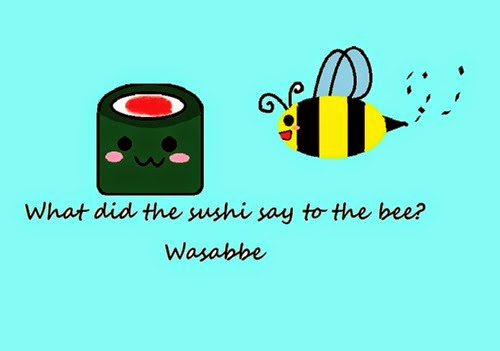
Wordplay is a form of humor that uses the different meanings, sounds, or spellings of words to create an amusing effect. It often depends on a familiar expression being interpreted in an unexpected way. For example, someone might write, “I’m reading a book about anti-gravity. It’s impossible to put down.” The humor comes from the phrase “put down,” which can mean physically placing something on a surface or stopping reading a book. This simple example illustrates how language can communicate two related ideas at once, giving readers an enjoyable moment of recognition.
In digital conversations, this technique works particularly well because it does not require elaborate explanations or lengthy setups. A short sentence can deliver the entire joke, making it suitable for messaging applications, comment sections, and social networking platforms. Readers who understand the double meaning often feel a small sense of satisfaction because they recognize the clever connection. Even when the humor is intentionally silly, it can create a friendly atmosphere and encourage people to participate. This accessibility helps explain why wordplay appeals to different age groups, interests, and communication styles.
Why Funny Puns Matter in Modern Digital Communication
Modern communication is fast, visual, and highly interactive. People exchange information through text, images, videos, voice notes, emojis, and reactions, often within seconds. In this environment, humor can make a message more noticeable without making it unnecessarily complicated. Puns provide an efficient way to add personality to ordinary communication while keeping the central message understandable. A person might use a food-related joke in a dinner invitation or a technology-themed expression in a discussion about a new device. The wording creates an additional layer of entertainment while preserving the original purpose of the message.
Another important advantage is their ability to reduce the formality of online interactions. A playful comment can make a conversation feel warmer, especially when people are getting to know each other or communicating in a relaxed setting. In professional environments, carefully chosen humor may also make presentations, newsletters, and internal announcements more approachable. However, the effectiveness of a joke depends on context. Humor that works among close friends may not suit a serious customer complaint or a sensitive public discussion. Understanding the audience and the situation is therefore just as important as creating a clever line.
The Role of Wordplay on Social Media Platforms
Social media has created an environment where short, memorable content can travel quickly between communities. Captions, comments, memes, and short-form videos frequently rely on humor to attract attention and invite participation. A clever phrase can make a post easier to remember and give followers a reason to share it with friends. For instance, a photograph of a rainy afternoon might carry the caption, “I’m having a rather rain-markable day.” The sentence uses a familiar word in an unexpected way, giving a simple image an additional layer of personality.
Different platforms also encourage different styles of humorous communication. Instagram captions may favor concise jokes that complement photographs, while short-form video creators can use wordplay in spoken dialogue, on-screen text, or closing punchlines. On discussion platforms, a quick joke may become part of a longer conversation, while social networking communities often adapt familiar expressions to current topics. Puns can support these formats because they are easy to modify and personalize. Nevertheless, humor does not guarantee engagement. Relevance, timing, originality, accessibility, and audience interests all influence whether a post connects with viewers.
How Digital Messages Become More Personal Through Humor
Text-based communication sometimes lacks the facial expressions, gestures, and vocal changes that help people understand spoken language. As a result, a brief message can sound colder or more serious than its sender intended. Humor can help restore some of the personality missing from written conversations. A playful sentence can communicate friendliness, enthusiasm, or affection without requiring a lengthy explanation. For example, a person sending a coffee invitation might say, “We should espresso ourselves over coffee soon.” The wordplay adds warmth to an otherwise ordinary invitation and gives the recipient an easy opening for a playful response.
Personal humor also helps people develop shared references. Friends may repeat a joke from an earlier conversation, adapt it to a new situation, or create expressions that become meaningful within their group. These small traditions can strengthen social connections because they reflect common experiences and mutual understanding. However, the best humor leaves room for the other person to participate comfortably. Messages should account for cultural differences, language proficiency, and individual preferences. When used thoughtfully, funny expressions make communication feel more human without distracting from the sender’s intended meaning.
Different Types of Funny Wordplay Used Online
Online humor takes several forms, and each type offers a different way to engage readers. Some jokes depend on words that have multiple meanings, while others use similar sounds or unexpected combinations of familiar phrases. Understanding these approaches can help content creators, social media users, and marketers develop more effective messages. The goal is not simply to insert a joke into every sentence but to choose a style that suits the topic, audience, and intended emotional response.
Homophonic and Double-Meaning Jokes
Homophonic wordplay uses words that sound alike but have different meanings or spellings. For example, “I used to be a baker, but I couldn’t make enough dough” connects the word for bread mixture with the informal term for money. Double-meaning jokes work differently by using one word or expression that supports two interpretations. These techniques are particularly effective in short messages because the reader can understand the setup and the humorous conclusion almost immediately. They are also easy to adapt to different topics, including education, travel, technology, food, and everyday experiences.
Situational and Thematic Wordplay
Situational humor connects a joke to a particular event, activity, profession, or interest. A gardening enthusiast might write, “I’m rooting for my plants,” while a music lover could say, “Life would be flat without good music.” These expressions work because the humor relates directly to the subject being discussed. Thematic wordplay is useful for digital creators who want their content to feel relevant rather than generic. It can also help businesses develop memorable campaign messages by connecting a product or service with a familiar expression. The strongest examples remain understandable even when readers do not spend much time analyzing the joke.
How Businesses Use Humor in Digital Marketing
Brands increasingly compete for attention across social media, email campaigns, online advertisements, and company websites. A humorous message can make a brand appear more approachable and give customers a reason to remember its communication. Wordplay can be especially useful when it relates naturally to a product or service. A bakery might use the phrase “Our bread is on a roll,” while a gardening business could promote its services with “Let’s grow something great together.” These examples connect the message to the business while adding a friendly tone that distinguishes it from more conventional advertising.
However, successful marketing humor requires a clear understanding of brand identity and customer expectations. A playful campaign may suit a casual food company or lifestyle brand, while a financial institution or healthcare provider may need a more restrained approach. Businesses should also consider whether a joke remains clear when viewed on a small screen, translated into another language, or separated from its original context. Humor should support the marketing message rather than replace important product information. When carefully integrated into a broader content strategy, it can help create a recognizable voice and encourage positive interactions.
Comparing the Uses of Wordplay Across Digital Channels
Different digital channels offer different opportunities for humorous language. A caption may need to deliver a complete joke in a single sentence, while an email can introduce a playful expression before explaining a product or announcement. Short videos may combine spoken jokes with visual context, allowing creators to build toward a punchline. Understanding these differences helps writers choose the right format instead of repeating the same joke everywhere.
| Digital channel | Common use of wordplay | Main benefit |
|---|---|---|
| Social media | Captions, comments, and memes | Makes content more distinctive |
| Messaging apps | Friendly replies and greetings | Adds warmth to conversations |
| Email marketing | Subject lines and campaign messages | Creates curiosity and personality |
| Short-form videos | Spoken jokes and on-screen text | Supports entertainment and recall |
| Business websites | Headlines and promotional copy | Gives brand messaging a memorable voice |
The most effective approach depends on the purpose of the communication. A social media caption may prioritize immediate entertainment, while an email subject line needs to remain relevant to the message inside. On a website, humorous wording should never make essential information difficult to understand. Writers should also avoid assuming that every audience enjoys the same style of comedy. Testing different approaches, reviewing audience responses, and maintaining clarity can help determine whether wordplay is improving the overall communication experience.
Practical Ways to Create Better Digital Wordplay
Creating effective humor begins with paying attention to ordinary language. Familiar expressions, everyday activities, and words with multiple meanings provide useful starting points. A writer can choose a topic, identify related words, and explore whether any of them have another meaning or sound similar to a different word. For example, someone writing about photography might build a joke around focus, exposure, or snapshots. The idea becomes more effective when the wording feels natural and the punchline connects clearly with the topic. Reading the sentence aloud can help reveal awkward phrasing that might not be obvious on the screen.
For consistent results, writers should focus on a few practical principles:
- Keep the joke short enough to understand quickly.
- Connect the wordplay to the topic or situation.
- Consider the audience’s language, culture, and sense of humor.
- Read the message again to ensure the meaning remains clear.
- Avoid jokes that rely on insulting or excluding others.
Originality also matters. Repeating familiar jokes can be entertaining in the right context, but developing a fresh variation often makes a message feel more personal. Writers can draw inspiration from daily experiences, workplace conversations, hobbies, and current online trends without copying another creator’s expression. They should also check whether a joke remains appropriate when shared beyond its original audience. A clever line is most successful when it communicates the intended idea, creates a positive reaction, and fits naturally into the conversation.
Challenges and Limitations of Humor in Digital Communication
Although humor can improve online interactions, it can also create misunderstandings. Written messages do not always communicate tone clearly, so readers may interpret a joke literally or assume that a playful comment is sarcastic. Cultural differences can add another layer of complexity because expressions that sound amusing in one language may not work in another. Wordplay is particularly difficult to translate when its effect depends on similar sounds or specific spelling patterns. For international audiences, writers should prioritize clear meaning and consider providing context when a joke may not be immediately recognizable.
Another challenge is the rapid circulation of digital content. A humorous message can be copied, reposted, or separated from the situation in which it originally appeared. What seemed harmless among friends may feel inappropriate when viewed by customers, colleagues, or a broader public audience. Businesses and creators should therefore consider the possibility of wider distribution before publishing a joke. They should also be sensitive to serious events and avoid humor that targets vulnerable individuals or trivializes genuine concerns. Thoughtful judgment allows people to enjoy the benefits of humor while reducing the risk of unnecessary conflict.
FAQs About Funny Wordplay in Digital Communication
1. What makes a funny expression effective online?
An effective expression combines clarity, relevance, and surprise. The reader should recognize the intended meaning without needing a lengthy explanation, while the unexpected connection creates the humorous effect. Short wording is often useful because online audiences move quickly between posts and conversations. However, originality and audience relevance matter more than simply making a joke as brief as possible.
2. Why are Puns popular on social media?
Puns are popular because they can turn familiar words into memorable jokes that fit naturally into captions, comments, and short videos. They are easy to adapt to different subjects and can encourage readers to respond or share a post. Their success still depends on context, timing, and whether the audience understands the intended double meaning.
3. Can businesses use wordplay in professional communication?
Yes, businesses can use suitable wordplay in social media posts, email campaigns, advertisements, and website headlines. It can make brand messaging more approachable and memorable when the humor matches the company’s personality. However, jokes should never obscure essential information or undermine the seriousness of a sensitive customer interaction.
4. How can beginners create original wordplay?
Beginners can start by choosing a familiar topic and listing related words, expressions, and phrases with alternative meanings. They can then combine these ideas into a short sentence that connects naturally with the subject. Reviewing the result for clarity, reading it aloud, and asking someone else to interpret it can help identify whether the joke works as intended.
5. Can humor improve engagement with digital content?
Humor may encourage people to pause, react, comment, or share content when it matches their interests. It can also make a message easier to remember by connecting information with an enjoyable experience. Nevertheless, engagement depends on several factors, including content quality, relevance, presentation, timing, and audience preferences. Humor should be treated as one useful communication technique rather than a guarantee of success.
Conclusion
Funny wordplay has become a valuable part of modern digital communication because it combines creativity, brevity, and personality. It allows people to transform ordinary messages into memorable interactions, whether they are chatting with friends, creating social media content, or communicating with customers. Its flexibility makes it useful across multiple digital channels, while its reliance on familiar language helps audiences connect with ideas quickly. When the wording fits the context, a small joke can make communication feel more engaging without requiring complicated explanations.
The future of online communication will continue to evolve as platforms, technologies, and audience expectations change. Even so, the desire to connect through humor is unlikely to disappear. Writers and businesses that understand their audiences, respect cultural differences, and prioritize clarity can use playful language more effectively. Ultimately, the value of wordplay lies not only in making people laugh but also in creating messages that feel natural, thoughtful, and worth remembering.