

Introduction
Language is more than a way to share information. It is also a powerful tool for creativity, humor, storytelling, and connection. A single word can have several meanings, sound similar to another word, or create an unexpected connection between two different ideas. These possibilities make language entertaining and help people express themselves in memorable ways. One of the most enjoyable ways to explore this creative side of communication is through Puns, which use the different meanings or sounds of words to create humor, clever observations, and playful expressions.
Wordplay appears in everyday conversations, advertisements, books, films, social media posts, and even professional communication. A clever phrase can turn an ordinary sentence into something people remember long after they have heard it. For example, someone who enjoys gardening might say, “I’m rooting for my plants.” The sentence expresses support while also referring to the roots of plants. This double meaning creates a lighthearted effect without requiring a complicated explanation.
For beginners, understanding wordplay is an excellent way to develop language skills and appreciate the flexibility of English. You do not need to be a comedian, professional writer, or language expert to enjoy it. By learning how words work together, recognizing common patterns, and experimenting with different expressions, anyone can develop a better understanding of this creative technique. This guide explores the meaning of wordplay, its main types, its practical uses, and the simple methods beginners can use to create their own clever expressions.
What Are Puns and Wordplay?
Wordplay refers to the creative use of language to produce humor, surprise, emphasis, or an interesting connection between ideas. It involves experimenting with words, sounds, meanings, spelling, and sentence structure. Rather than using language only to communicate a direct message, a writer or speaker arranges words in a way that encourages the audience to notice an additional meaning. This extra layer of interpretation can make a sentence entertaining, thought-provoking, or memorable.
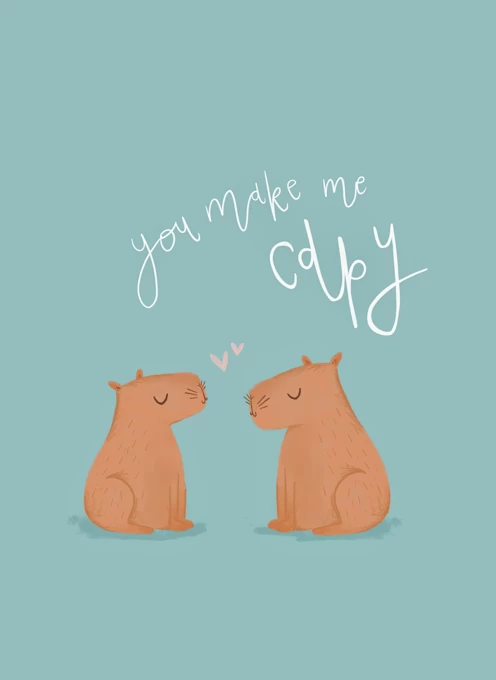
A pun is one particular form of wordplay. It usually depends on a word with multiple meanings or on two words that sound alike but have different meanings. Consider the sentence, “The bicycle couldn’t stand on its own because it was two-tired.” The expression sounds like “too tired,” which describes exhaustion, but it also refers to the two tires of a bicycle. The humor comes from understanding both interpretations. Although the joke is simple, it demonstrates how a small change in interpretation can transform an ordinary statement into an amusing one.
Wordplay is a broader category that includes many techniques beyond puns. Rhymes, alliteration, unexpected comparisons, and playful alterations of familiar expressions can all make language more engaging. These techniques are useful because they encourage readers to pay attention to how words sound and what they mean. Once beginners recognize these patterns, they can understand jokes more easily and use language with greater creativity.
Why Is Wordplay Important in Everyday Communication?
Wordplay helps people communicate ideas in ways that feel natural, entertaining, and memorable. In casual conversations, a clever remark can create laughter, reduce awkwardness, or help people connect through shared humor. For instance, a person working in a bakery might say, “We make a lot of dough here.” The word “dough” refers to bread mixture, but it is also informal language for money. This simple observation connects the person’s work with a familiar expression, creating a playful comment that is easy to understand.
In writing, wordplay can make a headline, caption, slogan, or story more distinctive. Readers often encounter large amounts of information online, so a memorable phrase can help a message attract attention. However, effective wordplay should support the intended meaning instead of distracting from it. A clever sentence that confuses the audience may not achieve its purpose, particularly in educational materials, technical documents, or important professional communication.
Another benefit is that wordplay encourages people to think about language more carefully. Recognizing a double meaning requires readers to consider context and compare possible interpretations. This process can support vocabulary development, reading comprehension, and creative thinking. For beginners who want to improve their writing, practicing these techniques offers a fun way to explore language while learning how different words influence the meaning of a sentence.
Different Types of Wordplay Beginners Should Know
There are several ways to create playful language, and each technique works differently. Some depend on pronunciation, while others use multiple meanings, familiar expressions, or repeated sounds. Understanding these categories makes it easier to identify examples and choose the right approach when writing something original.
1. Homophonic Wordplay
Homophonic wordplay uses words that sound alike but have different meanings or spellings. English contains many such word pairs, including “flower” and “flour,” “right” and “write,” and “sea” and “see.” Because the words sound similar, they can create interesting connections when placed in the same sentence.
For example, a baker might say, “I knead a little time to relax.” The word “knead” refers to working dough, while “need” expresses a requirement. The sentence connects baking with an everyday feeling. This technique works especially well in short jokes, advertising slogans, and social media captions because the audience can recognize the connection quickly.
2. Homographic Wordplay
Homographic wordplay uses words that have the same spelling but different meanings. Depending on the word, pronunciation may also change. The surrounding sentence helps readers determine which interpretation is intended.
Consider the word “bark.” It can refer to the outer covering of a tree or the sound a dog makes. A sentence such as “The dog’s bark was worse than the tree’s bark” places both meanings close together. The repeated word encourages readers to compare the two interpretations, creating a playful effect through contrast.
3. Double Entendres
A double entendre is an expression with two possible meanings, often one straightforward and another humorous or suggestive. In everyday communication, double meanings can make a phrase witty without requiring an elaborate joke. Writers sometimes use them in dialogue, entertainment, marketing, and creative storytelling.
For example, “The musician had a sharp sense of pitch” connects musical ability with the familiar expression of having a sharp sense or awareness. The humor depends on how the audience interprets the surrounding context. When creating this type of wordplay, writers should consider whether both meanings are understandable and appropriate for their intended audience.
4. Malapropisms
A malapropism occurs when someone mistakenly uses a word in place of another word that sounds similar. The resulting sentence may be humorous because the substituted word changes the meaning unexpectedly. In fiction, this technique can help establish a character’s personality or create amusing dialogue.
For instance, someone might accidentally say “electrical votes” instead of “electoral votes.” The expressions sound similar, but they refer to different concepts. Intentional malapropisms can work in comedy, although they should be used carefully. If the mistake is difficult to recognize or makes the sentence confusing, the humor may disappear.
5. Spoonerisms
Spoonerisms involve switching the initial sounds of two words, producing a new and often amusing expression. The technique is associated with spoken language, but writers can also use it in fictional dialogue and comedy.
Imagine someone intending to say “fighting a liar” but accidentally saying “lighting a fire.” The changed sounds create a different meaning and may produce a surprising result. Spoonerisms are most effective when the original expression is familiar and the altered version remains understandable. Beginners can experiment with short phrases to learn how sound patterns influence meaning.
Common Wordplay Techniques at a Glance
The following table summarizes several popular techniques and explains how they work. It can help beginners recognize the differences between them and understand when each method might be useful.
| Type of Wordplay | How It Works | Example | Common Use |
|---|---|---|---|
| Homophonic wordplay | Uses words that sound alike | “I knead a break.” | Captions and jokes |
| Homographic wordplay | Uses words with the same spelling but different meanings | “The dog watched the tree’s bark.” | Stories and humor |
| Double entendre | Creates two possible interpretations | “That idea has a certain appeal.” | Dialogue and advertising |
| Malapropism | Substitutes a similar-sounding word | “Electrical votes” instead of “electoral votes” | Comedy and fiction |
| Spoonerism | Switches initial sounds between words | “Lighting a fire” instead of “fighting a liar” | Spoken humor |
How Puns Are Used in Modern Digital Communication
Digital communication has created new opportunities for playful language. Social media platforms, messaging applications, blogs, and online communities allow people to share jokes and clever expressions with large audiences in seconds. Short captions, humorous comments, and memorable headlines often use wordplay to communicate an idea quickly. A photograph of a sleeping cat, for example, might be accompanied by the caption “Purrhaps I’ll get up later.” The altered word connects the sound associated with a cat with the expression “perhaps,” producing a lighthearted caption.
In today’s digital environment, concise communication is particularly valuable. People frequently scroll through posts, videos, and advertisements, so a short phrase that creates an immediate connection can help a message stand out. Content creators use playful expressions to give their posts a recognizable voice, while brands may incorporate them into campaign slogans or product descriptions. Nevertheless, success depends on the audience, subject, and platform. A phrase that works well in a casual post may not suit a formal announcement or a serious discussion.
The growing use of artificial intelligence writing tools has also made it easier to generate lists of possible jokes, slogans, and headline ideas. These tools can provide starting points, but automatically generated wordplay does not always sound natural. A phrase may depend on an obscure meaning, use an incorrect expression, or fail to match the intended tone. Human review remains important because effective humor relies on context, cultural awareness, and a genuine understanding of the audience.
Using Wordplay in Writing, Marketing, and Education
Wordplay can make written communication more engaging when it supports the main message. In marketing, a clever slogan can help a product or service become easier to remember. A gardening business might use the phrase “Helping your ideas grow” to connect plant growth with personal or business development. The wording is simple, but it communicates the service’s purpose through a familiar metaphor. Such language can make a brand feel approachable without requiring a lengthy explanation.
Writers can also use wordplay to make stories and characters more interesting. A character who regularly makes clever observations may appear confident, playful, or observant. Meanwhile, a character who misunderstands expressions can create comedy through dialogue. In children’s literature, playful language may encourage readers to explore vocabulary and pronunciation. In educational settings, teachers can use familiar jokes to introduce homophones, spelling differences, and multiple meanings, making language lessons more interactive.
However, wordplay should always serve a clear purpose. Too many jokes in a short passage can make the writing feel forced, while complicated expressions may exclude readers who are unfamiliar with a particular phrase. Writers should consider reading ability, cultural background, and the context in which the message will appear. The strongest approach is to use a clever expression where it adds value and rely on straightforward language when clarity matters more than humor.
How Beginners Can Create Their Own Wordplay
Learning to create clever expressions becomes easier when you begin with familiar vocabulary. Instead of trying to invent a complicated joke immediately, choose a word that has more than one meaning or sounds similar to another word. Think about everyday subjects such as food, animals, travel, hobbies, and work. These topics offer many opportunities for creative connections because their vocabulary is familiar to most readers.
For example, the word “plane” can refer to an aircraft or a flat surface. The word “date” can refer to a calendar day, a social meeting, or a type of fruit. Once you identify a word with multiple meanings, build a short sentence that brings those meanings together naturally. Read the result aloud and ask whether the connection is clear without requiring a lengthy explanation. If the sentence feels awkward, try changing the wording or choosing a different word.
Beginners can improve through regular practice and observation. Pay attention to headlines, conversations, comedy, and advertisements to see how other writers create unexpected connections. Keep a small collection of interesting words and expressions, then experiment with combining them in new ways.
A simple practice routine can include these activities:
- Collect words with multiple meanings or similar pronunciations.
- Write one short sentence using two interpretations of a word.
- Read the sentence aloud to check its rhythm and clarity.
- Share it with someone and notice whether the intended meaning is understandable.
Feedback is particularly useful because a joke that seems obvious to its creator may not be clear to another person. If readers understand the connection immediately, the expression is probably working well. If they need a long explanation, simplify it. Over time, experimentation will help you recognize which expressions feel natural, which rely too heavily on familiar jokes, and which offer a genuinely fresh perspective.
Common Mistakes to Avoid When Using Wordplay
One of the most common mistakes is forcing a joke into a sentence that does not need one. Writers sometimes choose an awkward phrase simply because it contains a clever connection. This can make the message difficult to read and weaken the overall effect. A good expression should feel connected to the topic rather than appearing as an unrelated attempt to entertain the audience.
Another problem is relying on references that readers may not understand. Wordplay can depend on regional expressions, cultural knowledge, pronunciation, or familiarity with a particular subject. A joke based on an uncommon phrase may work for a small group but confuse a broader audience. When writing for international readers, beginners should prefer widely understood vocabulary and avoid assuming that every reader shares the same cultural background.
Timing and tone also matter. In conversation, a playful remark may work because the speaker’s expression and timing help communicate the joke. In written communication, those signals are less obvious. Writers must therefore ensure that the sentence provides enough context for the intended meaning to become clear. In professional settings, humor should remain appropriate to the subject and audience.
Finally, originality matters. Repeating a familiar joke can be entertaining, but creating a new expression offers a better opportunity to demonstrate creativity. Beginners can study existing examples without copying them directly. By changing the subject, exploring different meanings, and using their own observations, they can develop a distinctive style that feels more personal and natural.
Frequently Asked Questions
What is the main purpose of wordplay?
The main purpose of wordplay is to use language creatively to produce humor, surprise, emphasis, or a memorable connection between ideas. It can make conversations more entertaining, help advertisements stand out, and add personality to stories. Depending on the context, it can also encourage readers to think carefully about vocabulary and the different meanings of familiar words.
Are wordplay and puns the same thing?
They are closely related, but they are not exactly the same. Wordplay is the broader category of creative language techniques, while a pun is a specific type that usually relies on similar sounds or multiple meanings. Rhymes, spoonerisms, and certain forms of playful expression also fall under the broader category of wordplay.
Why are word-based jokes sometimes difficult to understand?
These jokes often depend on recognizing two meanings, understanding a particular pronunciation, or knowing an expression used in a specific context. Readers who are unfamiliar with the vocabulary may understand the literal sentence but miss the intended connection. Reading the sentence again and considering alternative meanings can make the joke easier to understand.
Can beginners learn to write clever wordplay?
Yes. Beginners can develop this skill by studying common examples, collecting interesting words, and practicing with short sentences. Starting with familiar vocabulary makes the process easier. Reading sentences aloud and asking others for feedback can also reveal whether an expression is clear, natural, and entertaining.
How can wordplay improve SEO content?
Wordplay can make headlines, introductions, and social media descriptions more distinctive, potentially encouraging readers to engage with content. However, it does not automatically improve search rankings. SEO writing still depends on satisfying search intent, providing useful information, maintaining readability, and organizing content effectively. Clever language should support these goals rather than replace them.
Is wordplay suitable for professional writing?
Yes, when used appropriately. A memorable slogan, a lighthearted campaign headline, or a creative article title can make professional communication more approachable. However, formal reports, legal documents, technical instructions, and sensitive announcements generally require direct language. Writers should select a tone that matches the audience and purpose of the document.
Conclusion
Wordplay demonstrates how flexible and expressive language can be. By exploring similar sounds, multiple meanings, familiar expressions, and unexpected combinations, writers can transform ordinary sentences into something memorable. These techniques are useful in everyday conversations, creative writing, education, advertising, and digital communication. They also encourage people to become more observant readers and more thoughtful users of language.
For beginners, the best way to develop this skill is to start small. Explore familiar words, experiment with different interpretations, and focus on making each sentence understandable before trying to make it funny. Pay attention to how people respond, learn from examples, and avoid forcing clever expressions into situations where direct communication would work better.
Ultimately, Puns and other forms of wordplay are not just about making people laugh. They reveal the unexpected connections that exist within language and show how a small change in wording can create a new perspective. With practice, patience, and curiosity, anyone can use these techniques to communicate more creatively and make their writing more engaging.