

Introduction
Humor has a simple way of bringing people together, and wordplay is one of the easiest forms of comedy to share. A clever phrase can turn an ordinary conversation into something memorable, while a well-timed joke can instantly lighten the mood. Among the many styles of humor, Puns remain popular because they are easy to understand, flexible enough for almost any topic, and often surprisingly clever. They can be silly, smart, cheesy, unexpected, or a combination of all four.
The appeal of wordplay has also grown in today’s digital world. Social media captions, text messages, comments, memes, greeting cards, and casual conversations all provide opportunities for short, entertaining humor. A good pun does not always require a complicated setup. Sometimes, changing the meaning of a familiar word or connecting two unrelated ideas is enough to create a laugh. This makes wordplay particularly useful for people who want to add personality to their communication without writing a long joke.
Whether you enjoy classic dad jokes, clever observations, or quick one-liners, there is something satisfying about discovering the perfect play on words. The best examples feel natural rather than forced, and they often make people pause for a moment before the meaning clicks. That small moment of realization is part of what makes this style of humor so enjoyable.
Why Wordplay Continues to Be Popular
Wordplay has existed for centuries, but its basic appeal has not changed. Language gives people countless opportunities to create double meanings, unexpected connections, and humorous interpretations. A single word can have several meanings, and those meanings can be combined in ways that surprise an audience. The result is humor that is both simple and imaginative.
In today’s fast-moving communication environment, short-form humor works especially well. People regularly communicate through brief messages, captions, comments, and short videos, so a compact joke can have more impact than a lengthy story. Puns fit naturally into this environment because they can communicate an entire humorous idea in only a few words.
Another reason they remain popular is their accessibility. You do not need to understand a complicated reference to appreciate many types of wordplay. A familiar phrase can be given a funny twist, making the joke immediately recognizable. This makes word-based humor suitable for family gatherings, workplaces, classrooms, parties, and online conversations when the tone is appropriate.
What Makes a Pun Clever?
A clever pun usually depends on timing, context, and language. The strongest examples do more than simply replace one word with another. They create a connection between two meanings that the listener may not initially expect. When the connection becomes clear, the audience gets both the original meaning and the humorous interpretation at the same time.
For example, imagine someone saying that they wanted to become a baker but could not make enough dough. The joke works because “dough” can refer to bread mixture as well as money. The humor comes from combining the two meanings in a single sentence. It is simple, but the listener has to make a quick mental connection.
Good wordplay also benefits from relevance. A joke about coffee works better when people are discussing their morning routine, while a food-related joke may be perfect at a dinner party. Context gives the humor an extra layer and can make an otherwise ordinary phrase much more entertaining.
The Role of Timing and Delivery
Even an excellent joke can lose its impact if delivered at the wrong moment. Timing allows the audience to understand the setup before the humorous meaning appears. In conversation, a short pause can sometimes make a clever line much funnier because it gives listeners a moment to recognize the wordplay.
Written humor has a different advantage because readers can process the sentence at their own pace. This makes wordplay especially effective in captions, greeting cards, posts, and messages. A carefully chosen phrase can create an instant smile without requiring additional explanation.
Different Types of Puns to Explore
There are many forms of wordplay, and each one produces a slightly different kind of humor. Some depend on words that sound alike, while others use words with multiple meanings. Some are intentionally obvious and silly, whereas others are subtle enough that the reader needs a second to understand them.
| Type of Wordplay | How It Works | Common Use |
|---|---|---|
| Homophonic | Uses words that sound alike but have different meanings | Conversations and jokes |
| Double meaning | Uses one word with multiple interpretations | Clever one-liners |
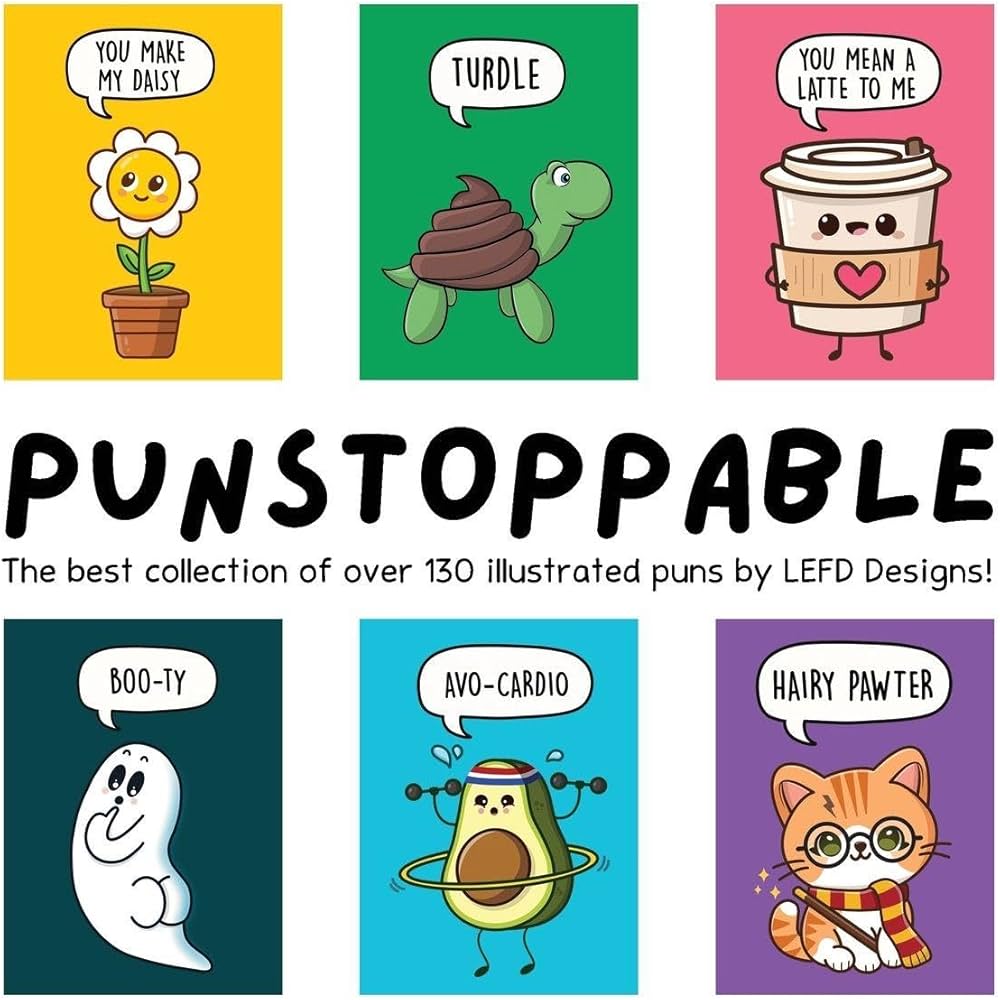
| Visual wordplay | Combines text with an image or situation | Social media and memes |
| Context-based | Changes the meaning of a familiar phrase | Captions and casual humor |
| Thematic | Builds humor around a specific subject | Parties, events, and hobbies |
Food, animals, professions, hobbies, relationships, technology, and everyday activities can all become themes for creative wordplay. This variety means that humor does not have to feel repetitive. Someone who enjoys cooking may appreciate kitchen-related jokes, while a technology enthusiast might prefer jokes involving devices, software, or the internet.
Funny Wordplay for Everyday Conversations
Everyday situations provide some of the best opportunities for humor because the subject matter is already familiar. A person waiting for coffee might make a playful comment about needing their “daily brew-tiful” moment, while someone discussing a difficult decision could joke about being unable to “make heads or tails” of it. These lines work because they connect ordinary experiences with familiar expressions.
The key is moderation. If every sentence contains a joke, the humor can quickly become predictable. One well-placed line is often more effective than several jokes delivered one after another. Puns are most enjoyable when they feel spontaneous and fit naturally into the conversation.
They can also be useful for breaking awkward moments. A light joke can make a new group feel more comfortable or help turn a minor mistake into something amusing. Of course, the setting matters. Humor should complement the conversation rather than distract from an important discussion.
Quick Themes for Creating Your Own Wordplay
When inspiration is needed, everyday subjects are a great starting point. Consider familiar words that have multiple meanings or phrases that can be interpreted in unexpected ways.
- Food and drinks
- Animals and nature
- Work and school
- Technology and modern life
- Hobbies and entertainment
The trick is not to force a joke around every word. Instead, look for natural connections. A good idea often appears when two meanings overlap unexpectedly.
Using Wordplay on Social Media
Social media has created an enormous space for short-form humor. Captions, comments, profile descriptions, memes, and short posts can all benefit from a clever line. A strong caption can make an ordinary photograph more memorable because it adds personality and invites people to engage with the post.
The best social media wordplay is usually concise. Readers scroll quickly, so a long setup may not receive the attention that a short, instantly understandable joke can attract. A caption about a beach photograph might use a playful reference to being “shore” of having a good time, while a picture of a favorite meal could include a humorous twist involving taste or appetite.
However, originality matters. Repeating familiar jokes may get a quick reaction, but developing your own variations can make your content feel more authentic. Think about the image, event, or subject first, then search for words with multiple meanings that naturally fit the situation.
Clever Puns for Parties and Special Occasions
Special occasions offer plenty of opportunities for themed humor. Birthdays, weddings, holidays, graduations, office celebrations, and dinner parties all have familiar vocabulary that can be transformed into playful messages.
A birthday card can use age-related wordplay, while a wedding message might include a light joke about finding the perfect “match.” A graduation celebration can inspire jokes about finally “degree-ing” to move forward. The humor does not need to dominate the message. A small clever phrase can make a greeting feel more personal.
For events, it is helpful to consider the audience before choosing a joke. Family-friendly wordplay is generally the safest option when people of different ages will be present. Workplace humor should also remain respectful and avoid jokes that could make colleagues uncomfortable.
Why “Cheesy” Humor Works
Some of the most popular jokes are deliberately corny. People often describe these as “dad jokes” because they are predictable, harmless, and easy to understand. Their charm comes partly from knowing that the joke is intentionally silly.
This style demonstrates an important feature of wordplay: humor does not always need to be sophisticated. Sometimes the predictable punchline is exactly what makes people laugh. A simple joke about cheese, for example, can be funny precisely because the audience can almost guess where it is going.
Puns also encourage participation. Once someone hears a wordplay joke, they may start thinking of their own version. This can turn an individual joke into a small creative game, particularly during group conversations or social gatherings.
How to Create Better Puns Yourself
Creating good wordplay is easier when you pay attention to language. Start with an ordinary subject and list several words associated with it. Then look for words that have multiple meanings, sound similar to another word, or appear in familiar expressions.
For example, if the subject is gardening, think about words such as “plant,” “root,” “grow,” “bloom,” and “pot.” Each one can potentially connect to another meaning or phrase. From there, experiment with sentences until the wording sounds natural. The first attempt does not need to be perfect.
It is also useful to read the sentence aloud. Spoken rhythm can reveal whether a joke feels smooth or awkward. If the audience has to work too hard to understand the connection, simplify the wording. The goal is usually to create a quick moment of recognition rather than a complicated puzzle.
Another useful technique is to avoid explaining the joke immediately. If the wordplay is clear enough, allow the reader or listener to discover it. That small moment of realization is often the most satisfying part.
Common Mistakes to Avoid
Not every attempt at wordplay will work, and that is completely normal. Humor is subjective, and even experienced writers produce jokes that fall flat. One common problem is forcing a pun into a sentence when the wording does not sound natural. If the joke makes the sentence confusing, the humor may disappear.
Another issue is overuse. Repeated jokes based on the same word or theme can quickly become tiring. Variety helps maintain interest. Mixing clever wordplay with observations, stories, or straightforward humor can create a more balanced style.
It is also important to consider cultural and audience differences. A phrase that works brilliantly for one group may not make sense to another. When writing for a broad audience, simple and universally recognizable language is usually the strongest choice.
The Future of Wordplay in Digital Culture
Language continues to evolve as communication platforms change. New expressions, abbreviations, technologies, and online trends constantly introduce fresh material for humor. Social media communities often create their own vocabulary, and these emerging phrases can quickly become sources of creative wordplay.
Artificial intelligence and digital writing tools have also made it easier to experiment with language. However, human creativity remains important because humor depends heavily on context, emotion, timing, and cultural understanding. A generated phrase may technically contain a clever connection, but the best humor often comes from understanding why that connection is funny to a particular audience.
As communication becomes increasingly visual and interactive, wordplay is likely to continue adapting. It may appear alongside images, videos, emojis, memes, and other forms of digital expression. The format may change, but the basic enjoyment of discovering an unexpected meaning will remain.
FAQs
What makes a pun funny?
A pun is usually funny because it creates an unexpected connection between words or meanings. The audience recognizes the original meaning and then discovers a second interpretation, creating a small surprise.
Are puns suitable for professional communication?
They can be, depending on the workplace and situation. A light, harmless joke can make informal communication more engaging, but important business messages should remain clear and professional.
Why are dad jokes so popular?
Dad jokes are easy to understand, generally harmless, and often intentionally predictable. Their simplicity gives them a charming quality that works across generations.
How can I become better at creating wordplay?
Start by paying attention to words with multiple meanings, similar sounds, and common expressions. Practice connecting those words to everyday situations, then read your jokes aloud to check their rhythm and clarity.
Can wordplay improve social media captions?
Yes. A short clever line can give a caption more personality and make an ordinary post more memorable. The best approach is to make the joke relevant to the image or situation.
Why do some puns fail?
A joke may fail when the connection is too difficult to understand, the wording feels forced, or the timing is inappropriate. Strong humor usually feels natural and gives the audience enough information to recognize the joke quickly.
Conclusion
Clever wordplay proves that humor does not always need a complicated story or elaborate punchline. A familiar word, an unexpected interpretation, and the right context can be enough to make someone smile. From casual conversations and social media captions to celebrations and friendly messages, word-based humor offers an easy way to make communication more memorable.
The most effective Puns are not necessarily the most complicated ones. They are the ones that feel natural, fit the moment, and create a quick spark of recognition. By paying attention to language, experimenting with double meanings, and considering the audience, anyone can become better at creating playful expressions.
In a world where much of our communication is fast and digital, small moments of humor can make a meaningful difference. Whether you prefer clever observations, silly dad jokes, or subtle wordplay, there is always room for a well-timed laugh. The next time an ordinary conversation gives you an opportunity, do not be afraid to play with words—you might just have the perfect pun waiting to happen.