

Introduction
Puns have been entertaining people for centuries through clever wordplay and unexpected meanings. Whether used in everyday conversations, literature, advertising, or comedy, puns create humor by playing with similar sounds, double meanings, or unexpected interpretations of words. They are simple enough for children to enjoy yet clever enough to challenge even the sharpest minds.
The popularity of puns continues to grow because they fit perfectly into modern communication. Social media captions, greeting cards, stand-up comedy, and marketing campaigns often rely on witty language to capture attention. A well-crafted pun can instantly make people smile while also making a message more memorable. Many writers use puns to add personality and creativity to their content, making otherwise ordinary topics much more engaging. Understanding how puns work allows anyone to appreciate this timeless form of humor and even create original wordplay of their own.
What Are Puns?
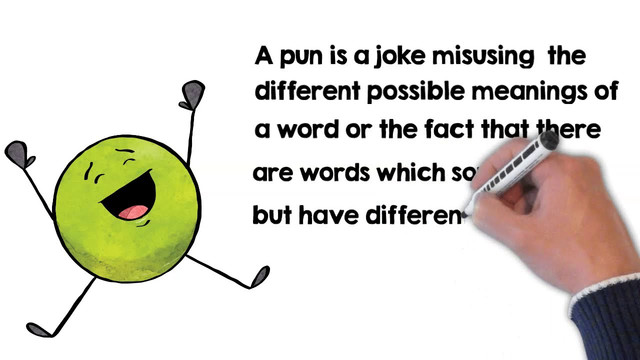
Puns are a form of humor that uses words with multiple meanings or words that sound alike to create amusing or clever expressions. They often surprise readers or listeners because the intended meaning changes unexpectedly. This twist in language makes them entertaining and memorable.
For example, the sentence, “I used to be a baker, but I couldn’t make enough dough,” uses the word “dough” to refer both to bread dough and money. This double meaning creates the joke. Some puns depend on words with identical pronunciation, while others rely on words with multiple definitions.
People enjoy puns because they encourage creative thinking. Instead of interpreting words in their usual sense, the audience must recognize the hidden meaning behind the joke. This small mental challenge creates satisfaction when the joke is understood. As a result, puns remain one of the most popular forms of language-based humor across different cultures and generations.
Different Types of Puns
There are several kinds of puns, each using language in unique ways. Understanding these types makes it easier to recognize and create effective wordplay.
Homophonic puns use words that sound the same but have different meanings. For instance, “Time flies like an arrow; fruit flies like a banana.” The humor comes from the different meanings of the word “flies.”
Homographic puns involve words that are spelled the same but have different meanings. A single word can create two completely different interpretations depending on the context.
Compound puns combine multiple puns into one sentence, making the humor more layered and often more rewarding for the audience. Visual puns use images or symbols to suggest double meanings, while recursive puns require understanding another pun before appreciating the joke. Each style demonstrates the incredible flexibility of language and highlights why puns continue to fascinate writers and readers alike.
Why People Love Puns
One reason people enjoy puns is that they stimulate the brain while providing entertainment. Unlike simple jokes, puns require listeners to recognize alternative meanings before understanding the humor. This process activates language skills, memory, and creativity simultaneously.
Another reason puns remain popular is their universal appeal. They can be lighthearted, family-friendly, and suitable for almost any occasion. Teachers use them to make learning enjoyable, businesses use them to make advertisements memorable, and comedians rely on them to surprise audiences.
Puns also strengthen social interactions. Sharing clever wordplay often encourages laughter and conversation, making people feel more connected. Because of their playful nature, puns help create positive experiences without relying on offensive or controversial humor. Their versatility allows them to fit naturally into speeches, books, movies, and everyday conversations.
How Puns Are Used in Everyday Life

People encounter puns more often than they realize. Businesses frequently use clever slogans to make their brands memorable. Restaurants, coffee shops, bookstores, and salons often choose pun-based names that customers remember long after visiting.
Social media has also increased the popularity of puns. Users create witty captions that attract attention and encourage engagement. Greeting cards frequently include playful word combinations that make birthdays, holidays, and celebrations more enjoyable.
Authors and screenwriters often include puns to develop characters or provide comic relief. Children’s books especially benefit from wordplay because it introduces young readers to the richness of language. Teachers also use puns to explain vocabulary, grammar, and pronunciation in an entertaining way. These practical applications demonstrate that puns are more than simple jokes. They are valuable communication tools that make language more expressive and enjoyable.
Tips for Creating Great Puns
Creating successful puns begins with paying attention to words that have multiple meanings or similar pronunciations. Expanding your vocabulary makes it easier to identify opportunities for clever wordplay. Reading books, solving crossword puzzles, and exploring dictionaries can all improve this skill.
Timing is another important factor. A pun works best when it fits naturally into the conversation instead of feeling forced. Simplicity also matters because overly complicated wordplay may confuse the audience rather than amuse them.
Practice is essential for developing creativity. Start by choosing a common word with more than one meaning and build a sentence around both definitions. Sharing your jokes with friends helps identify which puns work best. Even experienced comedians refine their wordplay over time. The more you experiment, the more naturally clever puns will come to mind.
Famous Examples of Puns
History is full of memorable puns that continue to entertain audiences. William Shakespeare frequently included puns in his plays, using double meanings to add humor and depth to conversations between characters. His clever use of language helped establish puns as an important literary device.
Modern comedians also rely heavily on puns to surprise audiences. Television shows, newspapers, and online content regularly feature pun-based headlines because they attract attention while remaining entertaining.
Some classic examples include:
- “I wondered why the baseball was getting bigger. Then it hit me.”
- “I’m reading a book about anti-gravity. It’s impossible to put down.”
- “The bicycle couldn’t stand up because it was two-tired.”
These examples demonstrate how simple words can become humorous through creative interpretation. Their popularity proves that puns remain one of the most enduring forms of comedy.
Benefits of Understanding Puns

Learning about puns offers benefits beyond entertainment. They improve language comprehension by encouraging people to recognize multiple meanings of words. This skill strengthens vocabulary, reading ability, and communication.
Students who appreciate puns often become better writers because they develop greater awareness of language structure and word choice. Public speakers also benefit by using tasteful wordplay to keep audiences engaged.
Businesses gain advantages from memorable slogans built around clever puns because customers are more likely to remember humorous advertisements. Writers and marketers use this technique to make brands stand out in competitive markets. Even casual conversations become more enjoyable when participants can appreciate intelligent wordplay. These practical benefits explain why puns continue to be valued across education, entertainment, and professional communication.
Conclusion
Puns remain one of the most enjoyable forms of wordplay because they combine humor, creativity, and intelligence into a single expression. Their ability to transform ordinary language into something unexpected makes them valuable in literature, education, advertising, and everyday conversations. From classic jokes to modern social media captions, puns continue to entertain people of all ages while encouraging creative thinking and stronger language skills.
Understanding how puns work helps readers appreciate the richness of language and inspires them to create their own clever expressions. Whether used to make friends laugh, improve writing, or build memorable marketing campaigns, puns continue to prove that a simple twist of words can leave a lasting impression.