

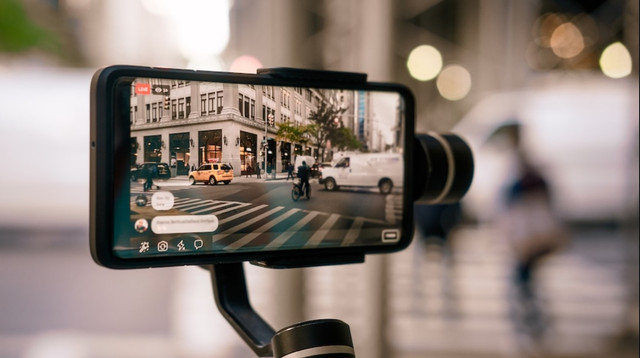
Smartphone cameras have transformed the way people capture, edit, and share moments. What began as a simple convenience feature has evolved into one of the most competitive aspects of modern technology. Today, smartphone manufacturers invest heavily in camera hardware, artificial intelligence, computational photography, and software enhancements to deliver professional-quality images directly from a pocket-sized device. Keeping up with mobile photography news has become essential for photography enthusiasts, content creators, travelers, and everyday users who want to maximize the capabilities of their devices.
The rapid pace of innovation means that new camera technologies, sensor improvements, AI-powered tools, and photography applications are constantly entering the market. Every year, flagship smartphones push the boundaries of what mobile cameras can achieve, narrowing the gap between traditional cameras and smartphones. This article explores the latest developments, industry trends, technological advancements, and future predictions that define the world of mobile photography.
The Evolution of Smartphone Photography
Mobile photography has undergone remarkable changes over the past decade. Early smartphone cameras offered limited resolution, poor low-light performance, and basic editing tools. Modern smartphones, however, feature advanced sensors, multiple lenses, image stabilization systems, and sophisticated software capable of producing stunning results.

One of the most significant milestones in smartphone photography was the introduction of computational photography. Instead of relying solely on hardware improvements, manufacturers began using software algorithms to enhance image quality. Features such as HDR imaging, night mode, portrait effects, and AI scene recognition have dramatically improved photography experiences for users.
The rise of social media platforms has also fueled demand for better smartphone cameras. Content creators, influencers, and casual users increasingly depend on their phones for capturing high-quality photos and videos. As a result, smartphone brands continue competing to deliver groundbreaking camera innovations, making mobile photography news a topic of growing interest worldwide.
Latest Camera Hardware Innovations
The smartphone industry continues to introduce impressive hardware improvements that significantly impact image quality. Modern camera systems now incorporate larger sensors, advanced optics, and specialized lenses designed to enhance versatility and performance.
Larger Image Sensors
Larger sensors capture more light, resulting in better image quality, improved dynamic range, and enhanced low-light performance. Manufacturers increasingly prioritize sensor size as a key differentiator among flagship devices.
Periscope Zoom Technology
Periscope lenses enable smartphones to achieve higher optical zoom levels without increasing device thickness. This innovation allows users to capture distant subjects with greater clarity and detail.
Multi-Camera Systems
Most premium smartphones now feature multiple cameras designed for specific purposes:
- Wide-angle photography
- Ultra-wide landscape shots
- Telephoto zoom images
- Macro photography
- Depth sensing
These camera combinations provide users with greater creative flexibility and improved shooting experiences across various scenarios.
The Role of Artificial Intelligence in Mobile Photography
Artificial intelligence has become one of the most influential factors in smartphone photography development. AI-powered tools help cameras automatically recognize scenes, optimize settings, and enhance image quality in real time.
Modern smartphones can identify subjects such as food, pets, landscapes, and portraits. Once recognized, the camera automatically adjusts exposure, color balance, contrast, and sharpness to produce visually appealing results.
AI also contributes significantly to image editing. Features like object removal, sky replacement, automatic retouching, and intelligent cropping simplify post-processing for users. These advancements make professional-looking edits accessible even to beginners.
Many recent developments featured in mobile photography news focus on AI-driven innovations because they provide noticeable improvements without requiring major hardware changes. As machine learning technologies advance, AI is expected to play an even larger role in photography workflows.
Popular Mobile Photography Features in Modern Smartphones
Today’s smartphones offer an extensive range of photography features that were once available only on professional cameras.
| Feature | Purpose | User Benefit |
|---|---|---|
| Night Mode | Low-light photography | Brighter and clearer images |
| Portrait Mode | Background blur effects | Professional-looking portraits |
| HDR | Enhanced dynamic range | Better detail in highlights and shadows |
| Optical Image Stabilization | Reduces camera shake | Sharper photos and smoother videos |
| AI Scene Detection | Automatic optimization | Improved image quality |
| RAW Capture | Uncompressed image files | Greater editing flexibility |
These features contribute significantly to the popularity of smartphone photography and continue to dominate discussions in mobile photography news.
Video Recording Advances in Smartphones
Photography and videography increasingly overlap, and smartphone manufacturers recognize the growing demand for high-quality video capabilities. Many modern smartphones now support professional-grade video features that rival dedicated cameras.
4K and 8K Recording
High-resolution video recording has become standard among flagship devices. Users can capture highly detailed footage suitable for social media, professional projects, and content creation.
Cinematic Video Modes
Cinematic modes use advanced algorithms to create depth-of-field effects that resemble professional filmmaking techniques. These tools help users produce visually engaging videos without expensive equipment.
Enhanced Stabilization
Advanced stabilization systems reduce motion blur and camera shake during handheld recording. This technology improves video quality for travel, sports, and action content creators.
The continued evolution of smartphone video technology remains a major topic in mobile photography news, reflecting the growing importance of mobile content creation.
The Rise of Computational Photography
Computational photography combines hardware and software to achieve results that traditional cameras may struggle to produce automatically. This approach has fundamentally changed how smartphone cameras operate.
Instead of capturing a single image, smartphones often take multiple exposures simultaneously. These images are then merged using sophisticated algorithms to improve sharpness, dynamic range, and noise reduction.
Examples of computational photography include:
- Night photography enhancements
- HDR image processing
- Portrait background separation
- Multi-frame image stacking
- AI-powered image reconstruction
By leveraging computational techniques, smartphones can deliver remarkable image quality despite their compact size. Industry experts frequently highlight these advancements when discussing major developments in mobile photography news.
Mobile Photography Trends Influencing the Industry
Several emerging trends are shaping the future of smartphone photography. These trends reflect changing user preferences, technological innovations, and evolving content creation habits.
Content Creator-Focused Features
Manufacturers increasingly design camera systems specifically for creators. Features such as vlog modes, advanced video editing tools, and social media integration cater directly to digital content producers.
Improved Low-Light Photography
Low-light performance remains a major area of innovation. New sensors, AI algorithms, and image processing techniques continue improving nighttime photography results.
High-Resolution Sensors
Many smartphones now feature sensors exceeding 100 megapixels. While megapixels alone do not determine image quality, higher resolutions offer greater flexibility for cropping and large-format printing.
Real-Time Editing Tools
Users increasingly expect powerful editing features built directly into their smartphones. AI-powered enhancements allow photographers to adjust images instantly without third-party applications.
How Mobile Photography Benefits Everyday Users
The rapid advancement of smartphone cameras provides benefits beyond professional photography. Everyday users enjoy improved image quality, convenience, and creative opportunities.
Travelers can document experiences without carrying bulky camera equipment. Families can preserve memories with stunning detail and clarity. Small businesses can create marketing content using only a smartphone.
Furthermore, smartphone photography encourages creativity by making advanced tools accessible to everyone. Features that once required expensive software and technical expertise are now available through simple, user-friendly interfaces.
As smartphone cameras become increasingly capable, more people rely on them as their primary photography device. This widespread adoption ensures that mobile photography news remains highly relevant to a broad audience.
Challenges Facing Smartphone Photography
Despite impressive progress, smartphone photography still faces several limitations and challenges.
Physical Size Constraints
Smartphones remain limited by their compact form factor. Larger sensors and lenses require additional space, making hardware design increasingly challenging.
Battery Consumption
Advanced photography features, AI processing, and high-resolution video recording can significantly impact battery life.
Storage Requirements
High-resolution photos and videos consume considerable storage space, particularly when capturing RAW files or 8K footage.
Image Authenticity Concerns
As AI-generated enhancements become more sophisticated, questions arise regarding image authenticity and the distinction between photography and digital manipulation.
Manufacturers continue addressing these challenges through innovative engineering and software solutions.
Future Innovations in Mobile Photography
The future of smartphone photography appears exceptionally promising. Emerging technologies are expected to deliver even greater capabilities and creative possibilities.
Potential future developments include:
- Variable aperture systems
- Enhanced computational zoom
- AI-assisted composition guidance
- Real-time 3D imaging
- Advanced augmented reality photography
- Professional-grade image editing tools
Camera manufacturers and smartphone brands continue investing heavily in research and development. As a result, future breakthroughs will likely further blur the line between smartphones and dedicated cameras.
Industry observers frequently speculate about upcoming innovations, making future-focused discussions a central part of mobile photography news coverage.
Tips for Staying Updated on Mobile Photography News
The smartphone camera industry evolves rapidly, making it important to stay informed about new developments and technologies.
Consider following these strategies:
- Monitor smartphone launch events.
- Read technology and photography publications.
- Compare camera reviews before purchasing devices.
- Follow professional mobile photographers.
- Explore photography communities and forums.
- Experiment with new camera features regularly.
Staying informed helps users understand emerging trends and make better decisions when selecting devices and photography tools.
Conclusion
Mobile photography has transformed from a simple convenience into a powerful creative medium capable of producing extraordinary results. Advances in camera hardware, artificial intelligence, computational photography, and video technology continue pushing smartphone capabilities to new heights. From larger sensors and periscope zoom lenses to AI-powered editing and cinematic video modes, innovation remains at the heart of the industry.
Read more: Product Photography: The Ultimate Guide to Creating Stunning Product Images