

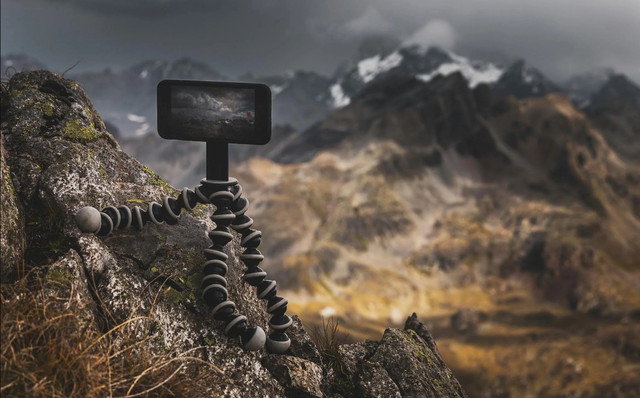
Mobile photography has transformed the way people capture and share moments. With modern smartphones equipped with advanced camera systems, powerful image processing, and innovative features, anyone can create impressive photographs without investing in expensive professional equipment. Whether you enjoy taking pictures of landscapes, portraits, food, travel destinations, or everyday moments, mastering mobile photography can help you produce images that stand out.
The growing popularity of social media platforms has also encouraged people to improve their photography skills. A smartphone is always within reach, making it the most convenient camera for spontaneous and memorable shots. However, owning a phone with a great camera is only part of the equation. Understanding composition, lighting, camera settings, and editing techniques is essential for achieving professional-looking results.
This comprehensive guide explores the fundamentals of mobile photography, practical shooting techniques, editing strategies, and common mistakes to avoid. By applying these tips consistently, you can elevate your photography skills and capture breathtaking images using only your smartphone.
Why Mobile Photography Has Become So Popular
The rise of mobile photography is closely linked to advancements in smartphone technology. Camera sensors, lenses, and artificial intelligence have improved dramatically over the past decade. Today’s smartphones can capture high-resolution images, record cinematic videos, and perform complex image processing automatically.
Convenience is one of the biggest reasons people embrace mobile photography. Unlike traditional cameras, smartphones are lightweight, portable, and always accessible. Users can instantly take photos, edit them, and share them online within seconds.
Another factor is affordability. Professional camera systems can be expensive, while smartphones provide multiple photography tools in a single device. Features such as portrait mode, night mode, HDR, and advanced zoom capabilities enable users to experiment with different photography styles without additional equipment.
As technology continues to evolve, the gap between smartphone photography and traditional photography keeps narrowing, making mobile photography more powerful and accessible than ever before.
Essential Smartphone Camera Features to Understand
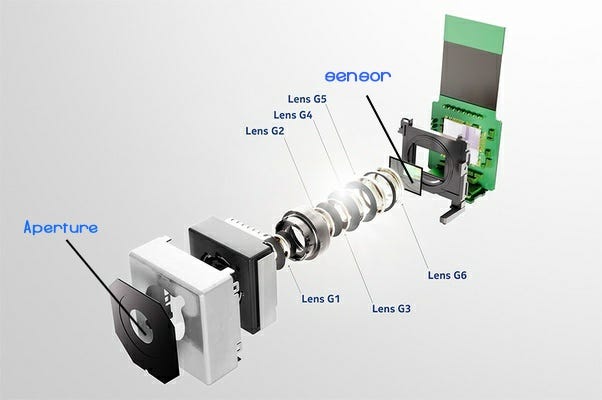
Before diving into techniques, it’s important to understand the features available on most modern smartphone cameras. Familiarity with these tools allows photographers to maximize image quality and creative control.
Key Features Include:
- HDR (High Dynamic Range)
- Portrait Mode
- Night Mode
- Panorama Mode
- Ultra-Wide Lens
- Telephoto Lens
- Pro or Manual Mode
- RAW Image Capture
- AI Scene Recognition
Each feature serves a unique purpose. HDR helps balance bright and dark areas, while portrait mode creates background blur for professional-looking portraits. Night mode improves low-light photography, and RAW files offer greater flexibility during editing.
Learning when and how to use these features is a crucial step toward mastering mobile photography.
The Importance of Lighting in Mobile Photography
Lighting is one of the most critical elements of photography. Even the most advanced smartphone camera struggles when lighting conditions are poor. Understanding natural and artificial light can significantly improve image quality.
Natural light often produces the most attractive results. Early morning and late afternoon, commonly known as the golden hour, provide soft, warm lighting that enhances colors and textures. Midday sunlight can create harsh shadows and overexposed highlights, making it more challenging to capture balanced images.
Indoor photography requires careful positioning near windows or other light sources. Artificial lighting can also be effective when used thoughtfully. Avoid mixing multiple light sources with different color temperatures, as this can create unnatural color casts.
Successful mobile photography often depends more on lighting knowledge than on camera specifications. Paying attention to the direction, intensity, and quality of light can dramatically elevate your images.
Mastering Composition for Better Photos
Composition refers to the arrangement of elements within a photograph. Strong composition guides the viewer’s attention and creates visually appealing images.
One of the most popular composition techniques is the Rule of Thirds. Most smartphones provide a grid option that divides the frame into nine sections. Positioning important subjects along these lines or intersections often creates a more balanced image.
Other effective composition methods include:
- Leading lines
- Symmetry
- Framing
- Negative space
- Patterns and repetition
- Depth and layering
Rather than placing subjects directly in the center every time, experiment with different angles and perspectives. Move closer, crouch lower, or shoot from above to discover unique compositions.
Strong composition transforms ordinary scenes into compelling photographs and plays a major role in successful mobile photography.
Understanding Smartphone Camera Settings
Many smartphone users rely entirely on automatic settings. While automatic modes are useful, understanding manual controls can improve creative flexibility.
Important Camera Settings
| Setting | Purpose | Best Use |
|---|---|---|
| ISO | Controls light sensitivity | Low-light situations |
| Shutter Speed | Controls motion blur | Action photography |
| White Balance | Adjusts color temperature | Different lighting conditions |
| Focus | Determines sharpness | Portraits and close-ups |
| Exposure Compensation | Brightens or darkens images | Challenging lighting |
Manual adjustments allow photographers to control how images appear instead of relying solely on software decisions. Exploring these settings can unlock new creative possibilities and improve overall image quality.
Tips for Capturing Stunning Portraits
Portrait photography is one of the most popular forms of mobile photography. Modern smartphones offer sophisticated portrait modes that simulate the shallow depth of field traditionally achieved with DSLR cameras.
When photographing people, focus on the eyes because they naturally attract viewer attention. Use soft lighting whenever possible and avoid harsh shadows across the face.
Background selection also matters. Simple backgrounds help emphasize the subject and reduce distractions. Encourage natural expressions and candid moments rather than overly posed shots.
Experiment with different angles and distances to find the most flattering perspective. Portrait mode can enhance separation between the subject and background, but it should be used carefully to avoid unnatural effects.
With thoughtful composition and lighting, smartphone portraits can look remarkably professional.
Landscape Photography with a Smartphone
Landscape photography allows photographers to capture the beauty of nature, cityscapes, and outdoor environments. Smartphones are excellent tools for landscape photography because of their portability and advanced computational photography capabilities.
Start by finding a strong focal point, such as a mountain, tree, river, or building. Use leading lines to guide viewers through the image and create visual interest.
Consider shooting during sunrise or sunset when lighting conditions are most dramatic. Cloud formations, reflections, and foreground elements can add depth and atmosphere.
Keep the horizon straight and avoid cluttered compositions. Ultra-wide lenses can be particularly useful for capturing expansive scenes, though excessive distortion should be avoided.
Consistent practice in landscape photography can greatly improve your understanding of composition and lighting.
The Role of Editing in Mobile Photography
Editing is an important part of the photographic process. Even great images can benefit from subtle adjustments that enhance their visual appeal.
Most smartphones include built-in editing tools, while many third-party applications offer advanced features. Common editing adjustments include:
- Brightness
- Contrast
- Saturation
- Highlights
- Shadows
- Sharpness
- Cropping
The goal of editing should be enhancement rather than excessive manipulation. Over-editing can make photos appear artificial and reduce their impact.
RAW image files provide greater editing flexibility because they contain more image data. Photographers who want maximum control should consider shooting in RAW whenever possible.
Thoughtful editing is a valuable skill that complements strong shooting techniques in mobile photography.
Common Mobile Photography Mistakes to Avoid
Many beginners unknowingly make mistakes that reduce image quality. Identifying these issues can lead to immediate improvement.
Frequent Mistakes Include:
- Dirty camera lenses
- Excessive zooming
- Poor lighting choices
- Over-editing photos
- Ignoring composition rules
- Holding the phone unsteadily
- Taking photos too quickly
Cleaning the lens regularly is one of the simplest yet most effective ways to improve photo clarity. Digital zoom should also be used sparingly because it often reduces image quality.
Patience is another important factor. Taking multiple shots and carefully reviewing results often produces significantly better images than rushing through the process.
Advanced Techniques for Creative Results
As your skills develop, experimenting with advanced techniques can help create more artistic images. Long exposure photography, reflection shots, silhouettes, and motion blur effects can add creativity and uniqueness to your work.
Night photography is another exciting area to explore. Modern smartphones feature advanced night modes capable of capturing impressive low-light images. Stabilizing the phone during longer exposures is essential for sharp results.
Macro photography allows users to capture intricate details of flowers, insects, and textures. Some smartphones include dedicated macro lenses, while others achieve close-up effects through software enhancements.
These advanced techniques expand creative possibilities and showcase the versatility of mobile photography.
Building a Consistent Photography Style
Every photographer develops a unique visual style over time. Consistency helps make your work recognizable and memorable.
Start by identifying the subjects and themes that interest you most. Some photographers focus on travel, while others specialize in street photography, portraits, food, or architecture.
Pay attention to recurring elements such as color palettes, editing preferences, framing choices, and lighting conditions. Consistent practice helps refine these characteristics into a distinctive style.
Studying the work of successful photographers can provide inspiration, but originality should remain a priority. The goal is to create images that reflect your personal vision and creativity.
Developing a recognizable style is a rewarding milestone in the journey of mastering mobile photography.
Conclusion
Mobile photography has revolutionized the way people capture and share visual stories. Modern smartphones offer powerful camera systems capable of producing remarkable images when combined with proper technique and creativity. By understanding lighting, composition, camera settings, and editing tools, photographers can significantly improve their results.
Read more: Mobile Photography News: Trends, Innovations, and Updates Shaping Smartphone Photography